Strikes Reverse the Sub-$90 Print: WTI Back at $90 as Hormuz Tankers Clear and Iran Talks Crack
Fresh U.S. strikes on Iranian military targets sent WTI back above $90 overnight, three tankers cleared Hormuz, and Europe is accelerating LNG diversification toward Canada.
The sub-$90 close was a one-night affair. Overnight U.S. strikes on Iranian military targets sent WTI back above $90 by early Thursday morning, erasing Wednesday's correction and resetting the geopolitical premium that had briefly looked like it was bleeding out. The physical market is getting mixed signals — tankers are clearing Hormuz while U.S. and Iranian forces are still shooting at each other — and that contradiction is the story operators need to price through in Q3.
WTI: $90.17/bbl | Brent: $93.86/bbl | Henry Hub: $3.062/MMBtu | Waha basis: unavailable at publication time
Source: Yahoo Finance real-time data, 5:30am CT May 28, 2026. Henry Hub prior FRED close: $3.07/MMBtu (May 18).
Fresh U.S. Strikes Reverse Wednesday's Drop
Reports of overnight U.S. strikes on Iranian military targets hit overnight markets around 1am CT Thursday, reversing the $88.68 close that had spooked analysts watching for the first sustained sub-$90 WTI print since April. By 5:30am, WTI was trading at $90.17 — up $1.49 from Wednesday's close. Brent at $93.86 implies the WTI-Brent spread has widened modestly to $3.69, consistent with U.S. export infrastructure maintaining flow while Persian Gulf transits remain constrained. The peace negotiation timeline, already described as fragile, is now being stress-tested by active military operations. CIR Analysis: The pattern is becoming clear — every diplomatic signal produces a WTI leg down, every military escalation produces a bounce. Neither move is sticking, which tells you the market has settled on a $88–$95 trading band as its best guess at equilibrium until one side breaks.
Three Tankers Clear Hormuz — IRGC Managing the Lane
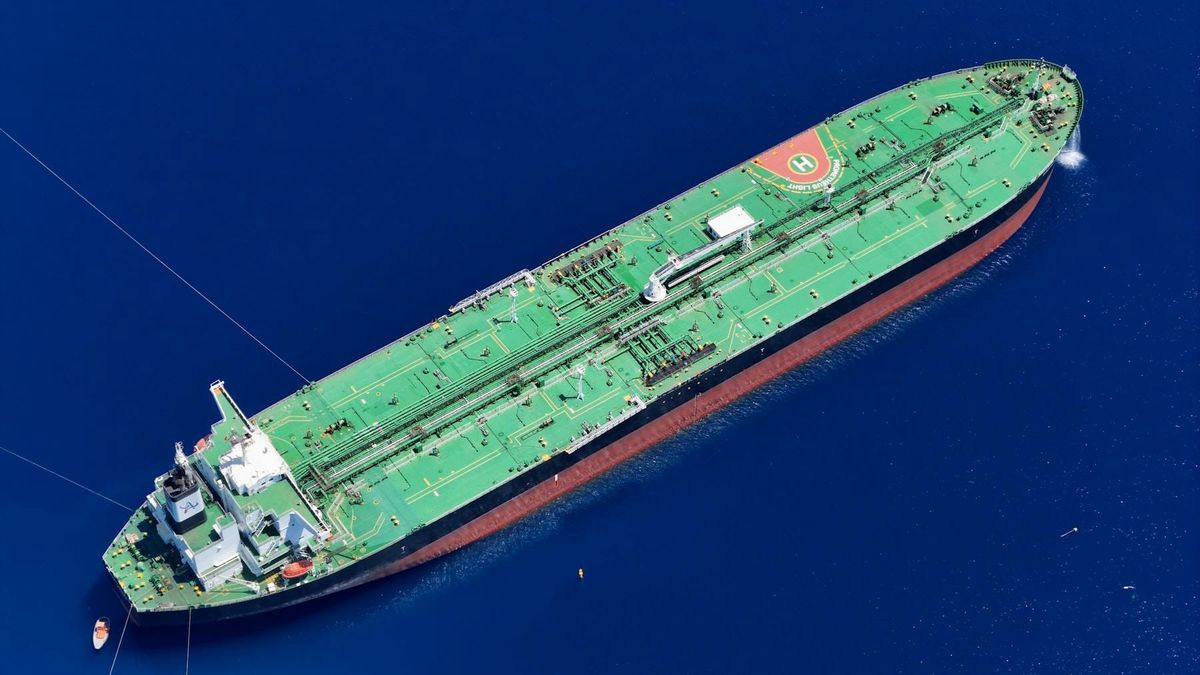
Two supertankers and an LNG carrier transited the Strait of Hormuz this week and are now en route to their destinations, per Kpler and LSEG tracking data cited by Reuters. One tanker carrying approximately 2 million barrels of Saudi crude is bound for China; a second is heading to India. The LNG carrier clears to an undisclosed East Asian destination. This is the selective passage pattern that has been in place since late April — state-linked or diplomatically cleared cargoes moving while commercial operators wait. Saudi crude is getting through to its two largest customers. That matters for the deficit math: the physical disruption is real, but it is not a complete blockade. IRGC is managing traffic, not stopping it entirely.
Europe Diversifying — Ksi Lisims LNG Drawing Interest
Multiple European energy utilities have formally expressed interest in offtake from Ksi Lisims LNG, Canada's second planned LNG export facility, according to reporting published Thursday. The project already carries 5 million tonnes per annum in signed SPAs. European buyers are accelerating diversification conversations as Qatar's force majeure through August removes near-term spot flexibility and Russian pipeline gas remains structurally off the table for most EU importers. Ksi Lisims, on British Columbia's north coast, would feed Atlantic Basin markets via the Panama Canal route — a longer but increasingly attractive alternative to Hormuz-adjacent supply chains.
EIA: U.S. Crude and Gasoline Inventories Keep Falling
Wednesday's EIA weekly petroleum report confirmed continued inventory draws — crude and gasoline stocks both declined, per EIA data, continuing the drawdown trend that has now persisted for multiple consecutive weeks. U.S. commercial crude stocks remain significantly below the five-year average. The inventory trajectory is doing quiet but important work as a price floor: even with WTI bouncing between $88 and $96, the physical market is tightening. If the geopolitical premium ever does fully unwind, the fundamental draw rate is the backstop argument the bulls hold.
CIR Analysis published: Hormuz Is Open — For Some: Inside the IRGC's Managed Passage Regime and What It Means for Atlantic Basin Supply — full article available to paid subscribers.
CIR Analysis published: The $90 Test: HAL and SLB Completions Diverge as North America Softens and International Holds — full article available to paid subscribers.
Crude Intelligence Report is an independent upstream oil and gas intelligence publication. The content in this article is for informational purposes only and does not constitute investment advice, financial advice, or a recommendation to buy or sell any security. Always conduct your own due diligence before making investment decisions. CIR and its contributors may hold positions in companies mentioned; any such positions will be disclosed when known. © 2026 Crude Intelligence Report. All rights reserved.