ExxonMobil Becomes a Texas Company on Q3's Opening Down Day
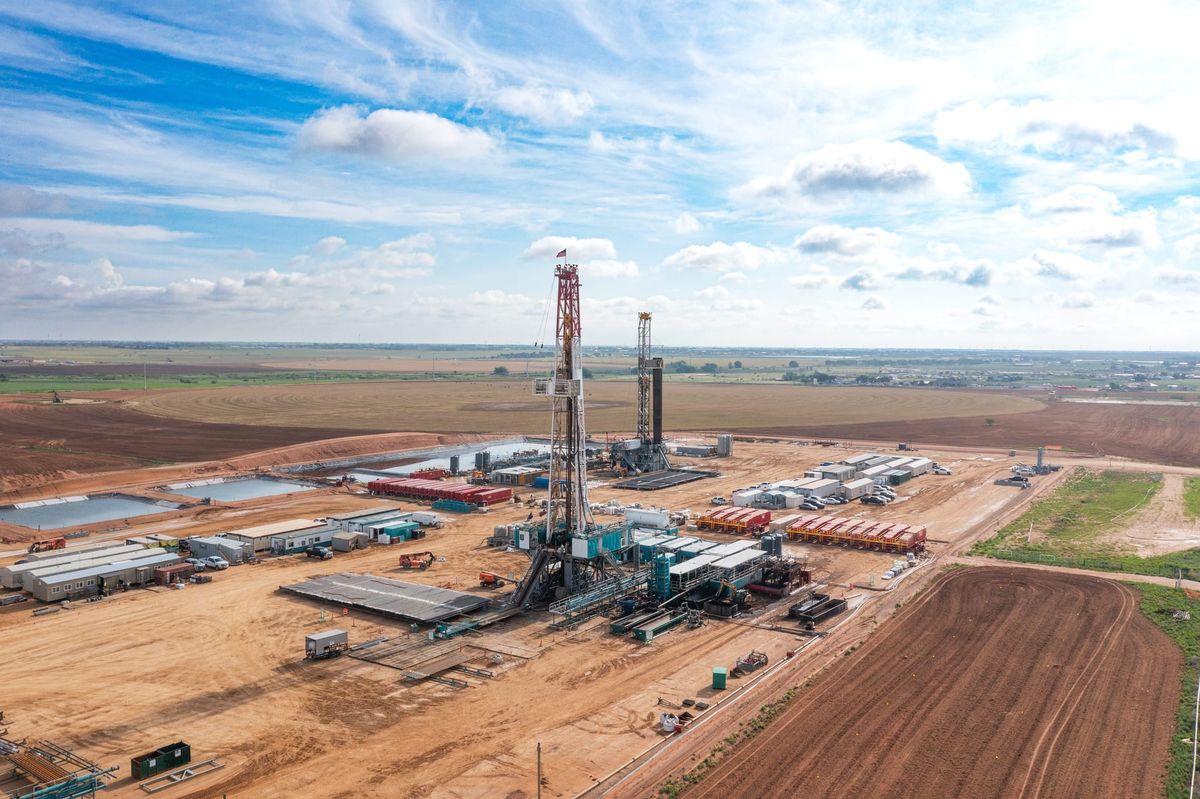
XOM | NYSE | Source data: ExxonMobil 8-K filed July 1, 2026 (SEC accession 0001193125-26-291986); Yahoo Finance intraday prices; EIA FRED series DCOILWTICO, DCOILBRENTEU, DHHNGSP
Q3 2026 opened with ExxonMobil completing the largest corporate redomiciliation in US energy history — and the market selling off across all three commodity benchmarks simultaneously. The juxtaposition matters.
WTI settled at $68.08, down $1.42 (-2.0%) on the day. Brent dropped $1.74 to $71.18 (-2.4%). Henry Hub fell $0.074 to $3.201 (-2.3%). When oil, gas, and Brent all move lower together by more than 2%, the signal isn't about any one commodity. It's a demand-side read. Q3 opened with sellers in charge across the energy complex.
Into that backdrop: ExxonMobil, effective today, is no longer a New Jersey corporation.
What Actually Happened on July 1
ExxonMobil filed an 8-K this afternoon (Items 1.01, 2.01, 3.01, 3.03, 5.02, 5.03, 9.01) confirming the completion of its redomiciliation merger. Effective this morning, ExxonMobil Corporation — incorporated in New Jersey since 1882 — merged into ExxonMobil Holdings Corporation, a Texas entity. Every XOM shareholder's shares were automatically converted 1-for-1 into Holdings shares. Trading under "XOM" on the NYSE continues tomorrow, July 2, 2026.
The mechanics: all outstanding notes, equity awards, and debt instruments transferred to the Texas holding company with ExxonMobil remaining as primary obligor. The board composition and executive team carry over unchanged. Deutsche Bank Trust Company Americas is still the indenture trustee, and a second supplemental indenture was executed to give ExxonMobil Holdings Corporation a full senior unsecured guarantee on all outstanding notes.
From a legal structure standpoint, it's a seamless exchange. From a business signal standpoint, it's a statement.
Why Texas, Why Now
The Merger Agreement was dated April 8, 2026 — the same week WTI was testing $97 in the aftermath of the Hormuz escalation. It took less than three months from announcement to close. That's a tight execution window for a company with roughly $500 billion in market cap and SEC filings in every jurisdiction that matters.
CIR Analysis: The redomiciliation is about regulatory positioning and energy policy alignment, not corporate tax arbitrage. Texas has no state income tax at the corporate level, but ExxonMobil's footprint already means the net savings from changing domicile are marginal on their earnings base. The more salient point is that ExxonMobil is explicitly tethering its corporate identity to a state that treats upstream oil and gas as economic infrastructure rather than a liability. At a moment when the permitting environment, pipeline approvals, and operator relations at the federal level remain in flux, being domiciled in Texas rather than a Northeast state carries operational and political weight.
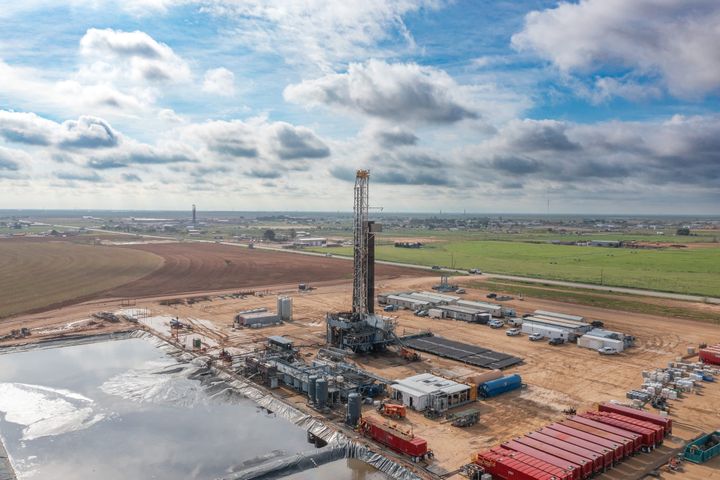
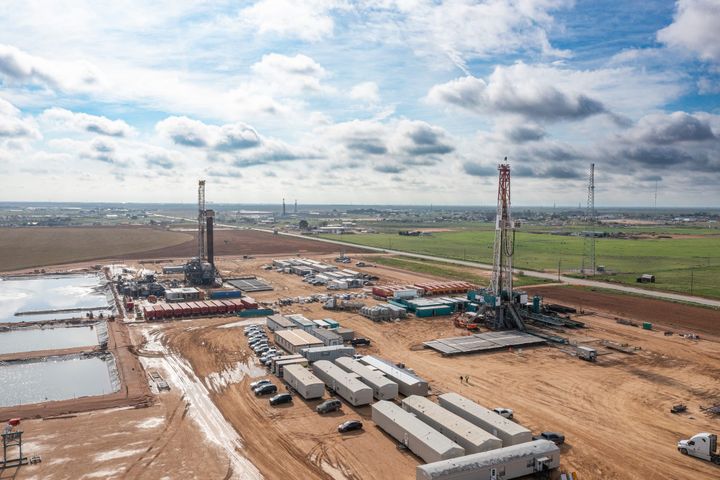
Pioneer Natural Resources was always a Texas company. Exxon absorbed Pioneer in Q1 2024 and inherited the Permian footprint that now drives the growth thesis. Redomiciling the parent completes the identity shift: ExxonMobil Holdings Corporation is a Texas-chartered upstream operator at its core, with an integrated global business built around that fact.
The Q3 Commodity Backdrop
The all-commodities selloff today isn't directly connected to the XOM filing — but the timing creates an instructive frame for the Q3 setup.
FRED close prices as of June 29: WTI $71.87. Today's Yahoo Finance print: $68.08. That's a $3.79 move lower in two trading sessions to open the quarter, with no single geopolitical catalyst driving it. The morning brief noted the RBL season framing; this afternoon confirms it. Fall 2026 borrowing base redeterminations will be priced against WTI in the mid-to-high $60s, not the $70+ strip that spring season used. Every operator with a floating-rate credit facility and a September redetermination is running new math tonight.
Henry Hub at $3.201 is still holding above the $3.00 floor that held through the June selloff. The oil-gas divergence that characterized most of June has reversed today — gas sold off almost as hard as oil on a percentage basis. That's unusual, and it warrants watching. If both benchmarks are pricing lower demand expectations, it complicates the data-center/gas-demand thesis that has been the bullish backstop for producers like EQT and EXE.
What To Watch
ExxonMobil Holdings Corporation stock opens July 2 as a Texas company — watch whether the redomiciliation triggers any index rebalancing or institutional reallocation effects in the first two sessions. It shouldn't, given the 1-for-1 exchange, but large structural trades have happened on less.
The EIA Weekly Petroleum Status Report publishes Wednesday. After a 15.1 MMbbl draw on June 18 and continued draws through June, the first July inventory print will set the tone for whether the Q3 fundamental story is tight supply (bullish) or demand destruction at $68 (bearish). That number, combined with the fall RBL redetermination calendar, is the dominant market variable for US upstream through July.
Q2 earnings season starts mid-July. ExxonMobil, now a Texas company with 1.5+ MMboe/d of Permian production, will report with the largest Permian footprint in the industry. The Q2 print will be the first full-quarter test of whether the Pioneer integration is producing the cost savings Darren Woods outlined.
Crude Intelligence Report is an independent upstream oil and gas intelligence publication. The content in this article is for informational purposes only and does not constitute investment advice, financial advice, or a recommendation to buy or sell any security. Always conduct your own due diligence before making investment decisions. CIR and its contributors may hold positions in companies mentioned; any such positions will be disclosed when known. © 2026 Crude Intelligence Report. All rights reserved.
This article contains forward-looking statements and analytical opinions. Actual results may differ materially.