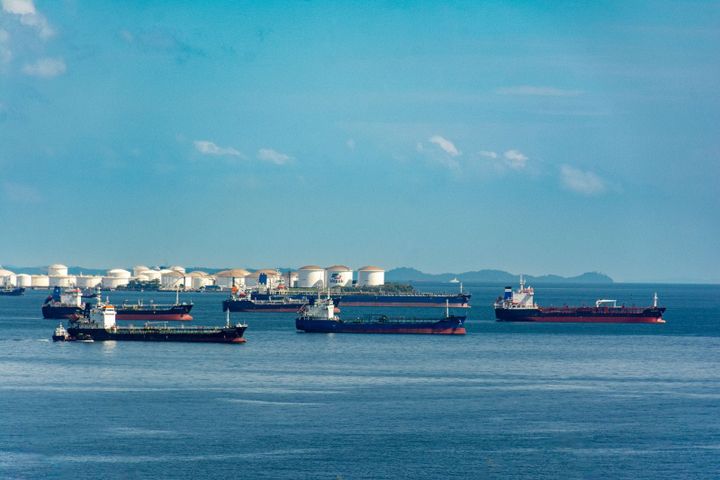
The Deal That Did Not Deal: WTI Holds $76 as Hormuz Goes Quiet Again WTI closed at $76.54. The Hormuz talks collapsed before they began. Kuwait pledged 2 million bpd. And the market barely moved. Here is what that tells operators about where we are.
The Floor Debate: Why $75 WTI Recovered From This Morning's $74 and What Friday's Rig Count Tells Us WTI hit $74.19 this morning and closed at $75.35. The $1.16 recovery is a market actively debating where the floor is — and the IEA surplus math vs. depleted SPR inventory is the crux of it.
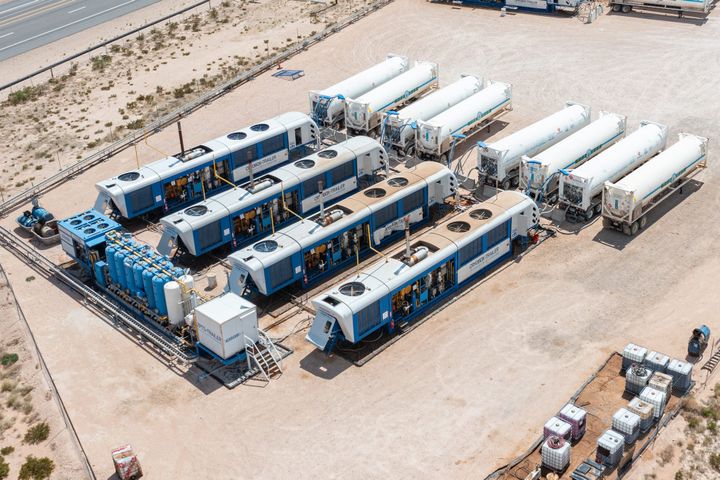
Compression M&A at $75 WTI: NGS Buys Flatrock for $120M, Adds 86,000 HP in Permian and Eagle Ford NGS | NYSE | Source data: SEC 8-K filing (June 12, 2026, accession 0001104659-26-074744), acquisition conference call transcript (June 15, 2026, EDGAR Exhibit 99.1), Yahoo Finance equity prices Natural Gas Services Group closed its acquisition of Flatrock Compression Holdings on June 12, adding 86,000 rented horsepower and
WTI Below $77 as Hormuz Reopens: Tuesday's Deal Changes the Supply Math WTI crude | Brent crude | Henry Hub natural gas | Source data: Yahoo Finance intraday, OilPrice.com, SEC EDGAR (CRC 8-K June 16), EIA production data WTI closed Tuesday at approximately $76.70 — down more than $5 from yesterday's close, a decline of roughly 6% on the session. The
Diamondback Expands Credit to $3B at $81 WTI: What FANG's RBL Move Says About the Selloff Diamondback filed a $3B RBL expansion at $81 WTI while the crude selloff was live. That's the capital markets signal the price chart won't show you.
Goldman Says $80, Wright Says 7 Million Barrels: What Friday's Close Actually Means WTI closed Friday at $84.29. Goldman Sachs cut its 2027 Brent outlook to $80. Energy Secretary Wright disclosed the U.S. military is moving 7 million bpd through the Persian Gulf. The Iran premium unwind is nearly complete.
The China Signal: Why Thursday's $86 WTI Has Nothing to Do With Hormuz WTI closed at $86.34 Thursday, down 5.4% in a single session. The driver is not Hormuz — it's China's structural demand erosion, now confirmed by Sinopec sales data, record EV adoption, and collapsing crude imports.