WTI's $90 Friday: Rig Count Holds, Both Commodities Fall, and the Pattern That Has to Break
WTI closed at $90.32 Friday, down nearly 3%, with Brent and natural gas both selling off. Baker Hughes rig count held flat at 551. Two $90 tests in two weeks — what breaks the pattern.
WTI closed Friday afternoon at $90.32 a barrel, down $2.72 from Thursday's settle — nearly three percent in a single session. Brent followed at $93.06. Natural gas pulled back too, ending at $3.22/MMBtu, reversing Thursday's +4% surge. After two weeks of headlines built around an oil-gas divergence thesis, the market wrote a different Friday ending: both commodities moved the same direction, down.
The selloff arrived with no single catalyst. Iran geopolitical chatter has settled into background noise after multiple bounce-and-fade cycles. The week's narrative — WTI recovering from the $87.91 May 29 close back toward $93 — stalled out Thursday and reversed Friday. By midday, the front-month contract was printing levels that put the $90 floor back under active test.
The Rig Count Reads Flat — Operators Aren't Blinking Yet
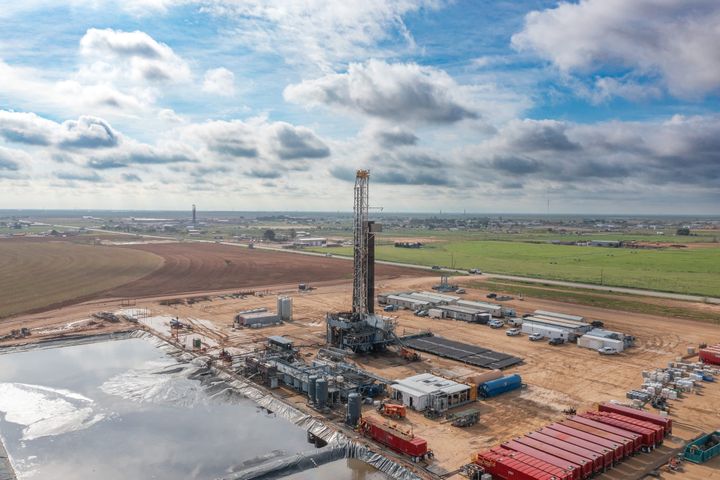
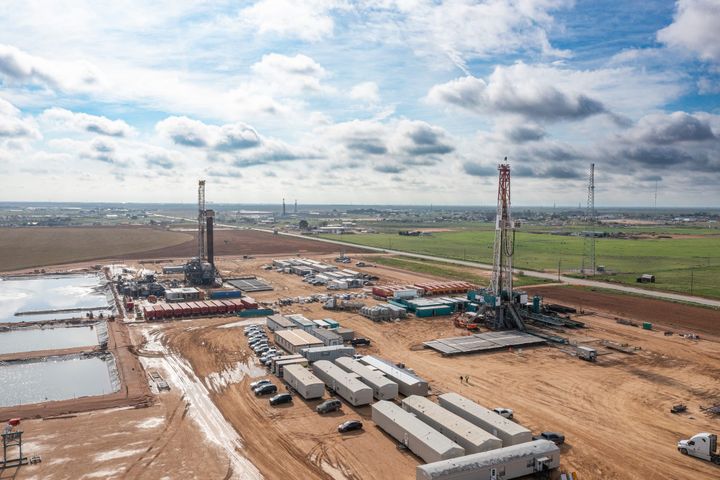
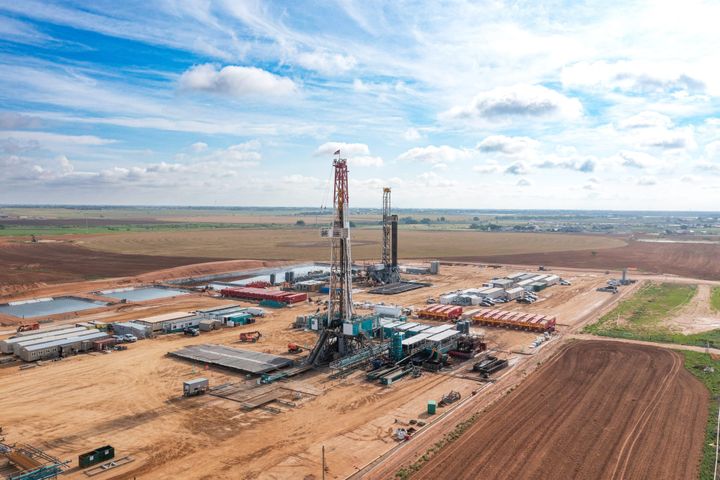
Baker Hughes released its weekly rig count at 1pm CT Friday. The U.S. total came in at 551 rigs — oil rigs unchanged at 415, with the Permian holding at 308. No meaningful sequential move. That's the third consecutive week without a material change to the oil rig count despite WTI trading in the $87-$95 range during this same period.
CIR Analysis: Operators aren't pulling rigs yet. The flat Permian count at 308 — still 43 rigs below year-ago levels — tells you the market is treating current prices as a holding pattern, not a signal to accelerate or decelerate. At $90 WTI, publicly traded Permian operators with completed acquisition-season balance sheets — Diamondback, Permian Resources, Devon-Coterra — are generating meaningful free cash flow. Private operators and smaller caps with higher cost structures have less margin for error.
The more important question isn't whether rigs get added in the next 30 days. It's whether the rig count starts moving lower if $90 becomes the ceiling rather than the floor. That inflection point is 30-60 days out if WTI can't hold above $90 going into mid-summer.
Production Services: A Sub-$93 Friday Test
This week's service company narrative was the Production Services Friday theme — SLB Production Systems (which includes the integrated ChampionX chemicals and artificial lift portfolio), RPC Inc, and Archrock compression. With WTI ending below $93 for the second consecutive week, the artificial lift and production optimization thesis is getting stress-tested in real time.
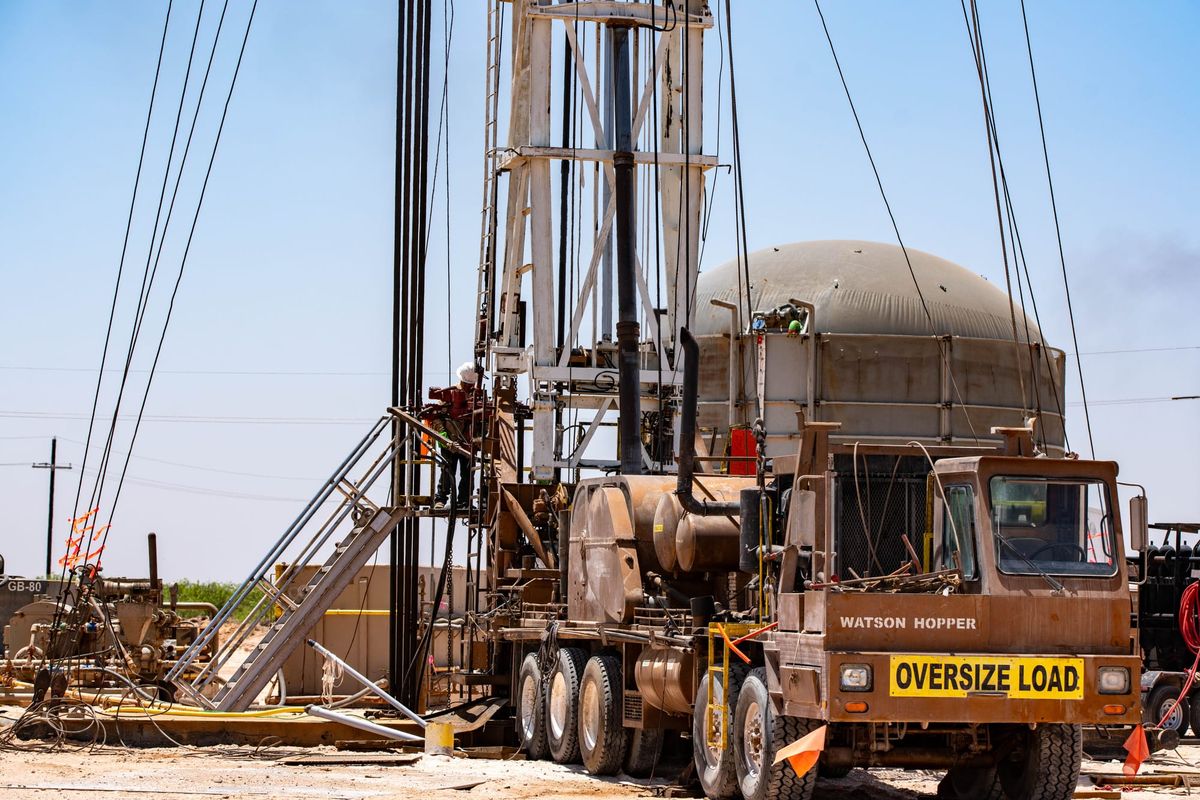
Artificial lift is structurally different from frac. Frac crews can go idle. Rod lift units and ESPs already installed in the ground keep pumping regardless of commodity prices — the question is whether operators optimize aggressively or defer maintenance and upgrades. At $90-$93 WTI, operators in the Permian still want production, which means lift services hold relatively well even as completion activity pulls back at the margin.
CIR Analysis: RPC's coiled tubing and nitrogen pressure pumping segments are more cyclically exposed than artificial lift. Archrock's compression contracts are largely take-or-pay with multi-year terms — compression is the most defensible of the production services subcategories in a sub-$93 WTI environment. SLB Production Systems' chemical injection and lift optimization revenue is stickier than their stimulation segment, which is why ChampionX integration was strategically sound ahead of this price softening.
Two Weeks, Two $90 Tests — What Breaks the Pattern
WTI closed at $87.91 on May 29. It recovered to $95.13 by June 4. Now it's back at $90.32. The market is oscillating in a $87-$96 band with no clear resolution. Every bounce gets sold into; every dip finds buyers. The geopolitical risk premium — while still present — has been gradually discounted each time a ceasefire rumor circulates without materializing into actual Iranian oil returning to market.
Three things break this pattern and determine which direction it resolves.
Iran. A confirmed nuclear deal framework or a clear escalation — either one forces the market to reprice the geopolitical component definitively. Sideways diplomacy produces more oscillation.
EIA inventory data. The past four consecutive draws have provided price support. If the June 11 EIA release shows a build — even a modest one — it hands the bears a fundamental argument to push below $90 and test $87-$88 again.
Operator guidance. We're six weeks from Q2 earnings season. If Diamondback, Permian Resources, or Devon-Coterra release any preliminary production data or capital allocation updates ahead of full results, the market will read those as confidence signals. Management teams who stay on plan at $90 are telling investors the floor is solid. Management teams who start qualifying guidance in June are signaling something different.
WTI enters Monday at $90.32. The $90 floor has held twice in the last two weeks. A third test — especially with a potential inventory miss on the horizon — could produce a different result.
Crude Intelligence Report is an independent upstream oil and gas intelligence publication. The content in this article is for informational purposes only and does not constitute investment advice, financial advice, or a recommendation to buy or sell any security. Always conduct your own due diligence before making investment decisions. CIR and its contributors may hold positions in companies mentioned; any such positions will be disclosed when known. © 2026 Crude Intelligence Report. All rights reserved.
This article contains forward-looking statements and analytical opinions. Actual results may differ materially.