The Vote Closes, the Price Holds: What Monday's Full Picture Means for the Delaware Basin
Devon Energy shareholders voted today on the Coterra merger as WTI held above $107. The combined Delaware Basin competitive map, the backstop supply story, and what the restrained rig count means for service company pricing.

Devon Energy shareholders voted today on the all-stock merger with Coterra Energy. The result, expected to be certified within 48 hours, closes the most consequential deal in the Delaware Basin since ExxonMobil's Pioneer acquisition. Meanwhile, WTI held above $107 at the close, Brent anchored above $114, and a Bloomberg report confirmed what the tanker data has been showing for weeks: the US Gulf Coast is now the world's oil supplier of last resort.
The Vote and What It Actually Changes
Our 10am analysis covered the deal mechanics — the 0.70x exchange ratio, the $1 billion synergy target, the combined 800,000 boe/d pro-forma. What the vote's closing unlocks is the operational question: who runs the Delaware Basin now?
Devon brings the best well costs in the play — $560/lateral foot vs. Coterra's $640, per their respective Q1 2026 disclosures. Coterra brings the Marcellus and Anadarko bolt-on, plus a production chemistry platform through its TETRA relationship that Devon doesn't have. The combined company controls roughly 1.8 million net acres across three basins.
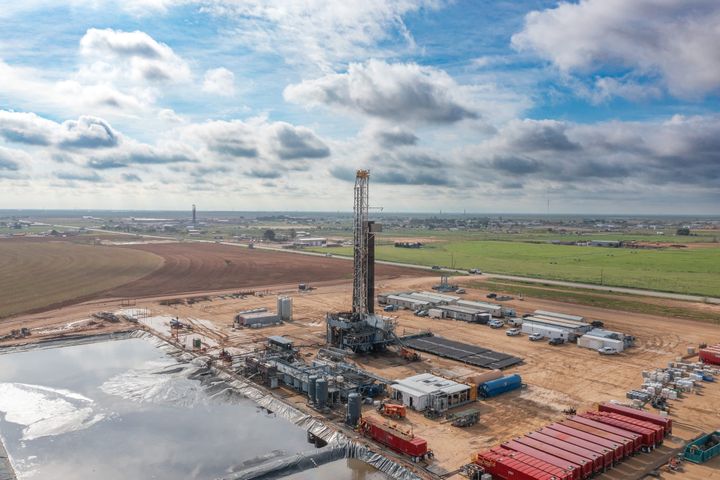
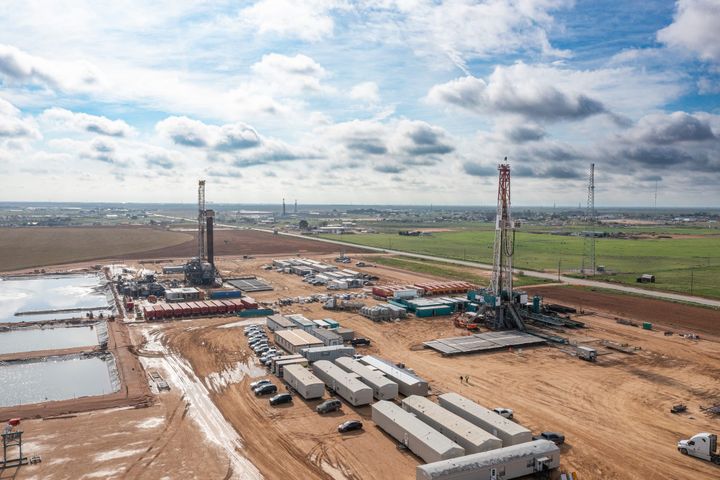
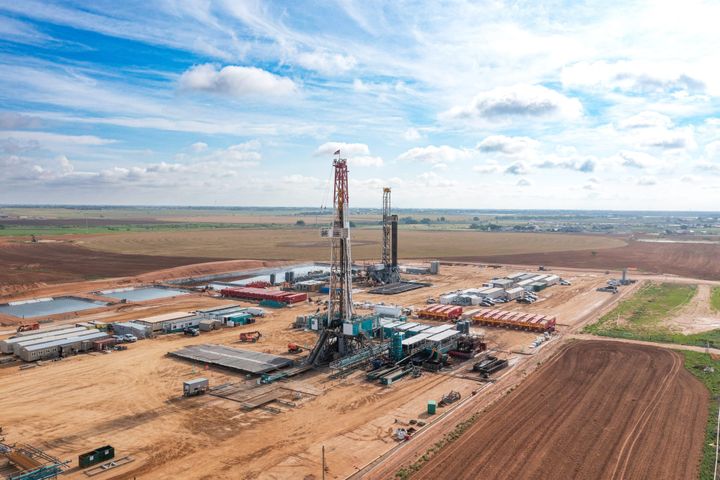
CIR Analysis: The Delaware Basin competitive stack shifts materially. Diamondback, EOG, and the post-merger combined entity will control the three largest inventory positions in the sub-play. Independents with positions adjacent to Devon's legacy acreage — particularly in the Bone Spring and Wolfcamp A — should expect increased completion intensity on offset laterals. That's a frac demand signal, and it arrives at a moment when PUMP, PTEN, and LBRT are already seeing re-rating pressure from the crude price.
The Backstop Story
The Bloomberg report surfacing today confirmed what tanker AIS data has tracked since late March: US Gulf Coast crude exports hit a new weekly record in the week ending April 25, with VLCCs loading from Corpus Christi, Houston Ship Channel, and the Louisiana Offshore Oil Port at a combined pace not seen since the post-Ukraine SPR release in 2022.
The driver is Hormuz. With the strait still partially disrupted and Iranian cargo effectively sidelined from most Asian refinery slates, buyers in South Korea, Japan, and India are replacing barrels with US WTI Midland and WTI MEH. The WTI-Brent spread compression to roughly $6.50/bbl — tighter than the typical $3-4 range — reflects that demand directly.
CIR Analysis: This is the structural change that explains why $107 WTI isn't producing the rig count response that $107 historically would. Operators aren't drilling into this price because they believe it's durable; they're exercising financial discipline while the geopolitical premium does the cash flow work for them. The RBL environment has changed accordingly — borrowing bases redetermined in April came in 15-20% higher than Fall 2025 levels across the sector, per earnings call commentary from multiple regional banks' energy lending desks. That's capital flexibility without capex commitment.
Baker Hughes and What the Rig Count Says
The Baker Hughes weekly rig count released Friday showed a modest uptick — 3 rigs week-over-week to 620 total, with the Permian flat at 308 and Appalachia up 2. That's not the supply response a $107 print would historically generate. The restrained count confirms what XOM and CVX both signaled in Q1 earnings: the majors are holding to 2026 guidance rather than chasing the price.
For service companies, flat rig count at elevated crude means the pricing power story is still building. The simulfrac efficiency gains — which allowed operators to complete more wells per rig per quarter — are now being absorbed into margin rather than passed back to customers. PUMP's Q2 guidance, PTEN's completions segment commentary, and LBRT's day rate commentary all pointed the same direction: pricing floor is firm, but the ceiling depends on rig count inflection.
What To Watch
- Devon-Coterra vote certification — expected within 48 hours. Once certified, watch for the combined entity's first public statement on Delaware Basin completion intensity for H2 2026.
- EIA weekly petroleum status report (Wednesday) — crude inventory draw or build will set the tone for the mid-week price action. A draw confirms the export-driven tightness story.
- Hormuz strait traffic — any diplomatic development that reopens the strait fully would immediately compress Brent by $8-12/bbl per Goldman's scenario analysis. That's the key tail risk for operators running unhedged Q2 positions.
- Frac crew availability — if the Delaware Basin completion intensity increase from the combined Devon-Coterra materializes in H2, PUMP and PTEN will need to reactivate cold-stacked spreads. Watch for equipment reactivation announcements.
Crude Intelligence Report is an independent upstream oil and gas intelligence publication. The content in this article is for informational purposes only and does not constitute investment advice, financial advice, or a recommendation to buy or sell any security. Always conduct your own due diligence before making investment decisions. CIR and its contributors may hold positions in companies mentioned; any such positions will be disclosed when known. © 2026 Crude Intelligence Report. All rights reserved.
This article contains forward-looking statements and analytical opinions. Actual results may differ materially.