Compression M&A at $75 WTI: NGS Buys Flatrock for $120M, Adds 86,000 HP in Permian and Eagle Ford
NGS | NYSE | Source data: SEC 8-K filing (June 12, 2026, accession 0001104659-26-074744), acquisition conference call transcript (June 15, 2026, EDGAR Exhibit 99.1), Yahoo Finance equity prices
Natural Gas Services Group closed its acquisition of Flatrock Compression Holdings on June 12, adding 86,000 rented horsepower and bringing NGS's combined fleet to approximately 661,000 HP. The deal cost $120 million — about 6.2 times Flatrock's annualized Q1 2026 EBITDA — and it tells you something specific about where the compression market is trading and why, at $75 WTI, the Permian compression business looks structurally different from the rest of oilfield services.
What NGS Bought
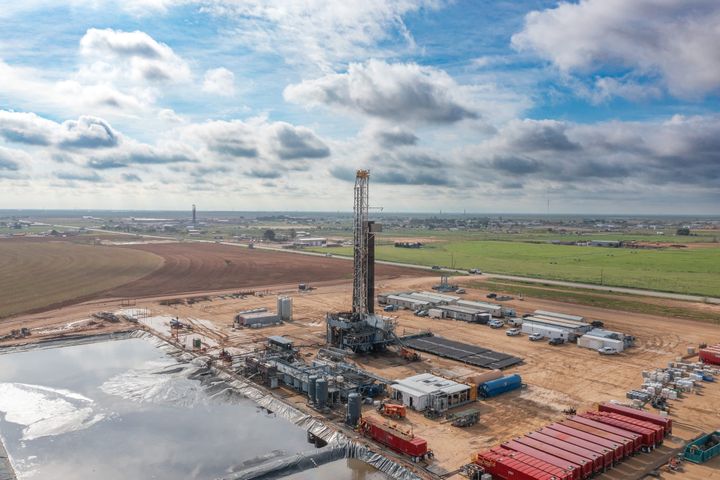
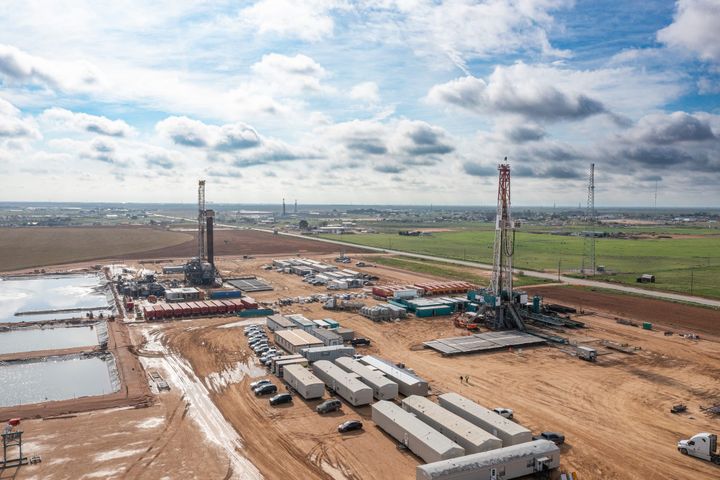
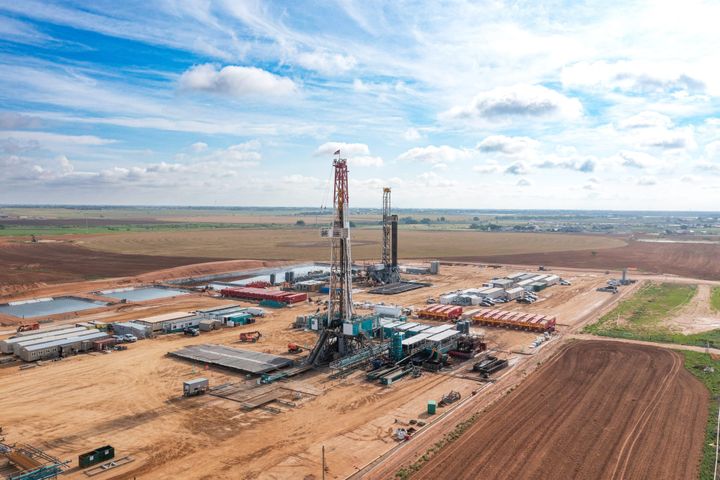
Flatrock has been operating since 2001, exclusively in the Permian Basin and Eagle Ford. Per the SEC filing and acquisition conference call, the company runs approximately 86,000 rented horsepower at roughly 95% utilization. About 80% of that horsepower sits in the Permian — primarily the Midland Basin. The remaining 20% operates in the Eagle Ford.
Two details stand out in the fleet profile. First, Flatrock is heavily weighted toward large horsepower equipment, which commands higher day rates and is more difficult to displace once installed at a customer facility. Second, approximately 20% of Flatrock's HP is electric motor-driven. That compares to roughly 7% of NGS's existing fleet. Electric compression is where major Permian operators are pushing their midstream and production infrastructure, and NGS is now better positioned to serve that demand.
The customer concentration tells the same story. Prior to the deal, Occidental Petroleum and Devon Energy represented about 64% of NGS revenue. Post-acquisition, that drops to approximately 54% — not because OXY or DVN went away, but because Flatrock brings in two new large publicly traded E&P customers that become the third and fourth largest relationships in the combined book. The customer base expanded; the concentration risk shrank.
The Capital Structure Move
NGS financed the deal through its expanded credit facility. In conjunction with the acquisition, the company amended its credit agreement — the fifth amendment — to increase total commitments from $400 million to $500 million, with the $100 million accordion feature unchanged (which would bring maximum commitments to $600 million). Regions Bank joined as a new lender at closing.
Pro forma leverage after the deal is expected at approximately 3.0 times adjusted EBITDA, with more than $130 million of available borrowing capacity remaining. At 661,000 HP combined at high utilization, that's a manageable leverage position for a business with largely contracted recurring revenue.
The 6.2x acquisition multiple is also worth contextualizing. NGS's CEO noted on the conference call that this represents a meaningful discount to NGS's own current trading multiple — which means the deal is immediately accretive from a multiple-expansion standpoint before any synergies are counted. NGS isn't providing a formal synergy target, but the obvious drivers are route density, shared parts inventory, and procurement scale on Caterpillar equipment (Flatrock runs a Cat/Ariel fleet that mirrors NGS's existing fleet composition).
What This Says About Compression at $75 WTI
CIR Analysis: The NGS/Flatrock transaction is a useful data point in a market where most oilfield service sectors are under visible WTI pressure. Frac crews are facing contract repricing headwinds. Drilling contractors are watching term backlogs roll off at rates negotiated when WTI was above $90. Compression operates on a different clock.
The key difference is contract structure. Large horsepower compression at a Permian production facility isn't removed during a three-month price correction. The compression equipment is in the ground, tied to a production stream, and contracted on multi-year terms. That recurring revenue profile makes compression the most insulated sub-segment of the upstream services market in a $75 WTI environment.
KGS (Kodiak Gas Services) demonstrated the same thesis in Q1 — 98% fleet utilization, adjusted EBITDA margins expanding to 55%, guidance raised despite WTI rolling off its $100+ highs. NGS is executing the same playbook at smaller scale: buy quality assets in good basins at reasonable multiples, run them at high utilization, and let the contract structure absorb commodity price volatility.
The electric compression buildout is the longer-term signal. As Permian operators electrify production facilities for ESG compliance and power cost management, demand for electric motor-driven compression is growing. Flatrock's electric fleet gives NGS a platform in that segment. It's not yet a major revenue driver — 20% of 86,000 HP isn't material at the combined scale — but it's the right direction of travel.
What To Watch
- Q2 earnings (expected August) will give first visibility on integration pace and the combined EBITDA run rate
- Watch AR commercial paper program: Antero Resources filed an 8-K today establishing a $1.65 billion CP program — this is a separate but complementary capital markets signal that Appalachian producers are managing liquidity proactively at current strip prices
- WTI stability at $75 is the gating variable for Permian producer capex — if the floor holds, large HP compression demand holds; if WTI breaks materially lower, watch E&P operator capex signals heading into fall redetermination season
Crude Intelligence Report is an independent upstream oil and gas intelligence publication. The content in this article is for informational purposes only and does not constitute investment advice, financial advice, or a recommendation to buy or sell any security. Always conduct your own due diligence before making investment decisions. CIR and its contributors may hold positions in companies mentioned; any such positions will be disclosed when known. © 2026 Crude Intelligence Report. All rights reserved.
This article contains forward-looking statements and analytical opinions. Actual results may differ materially.