SPR Record, Iran Delay, Gas Surge: Tuesday's Three-Signal Close
WTI closed near $104, Brent above $110, and gas futures jumped 7%+ Tuesday. The Iran strike delay, a record SPR drawdown, and a U.S. LNG methane standoff with Europe drove the close.
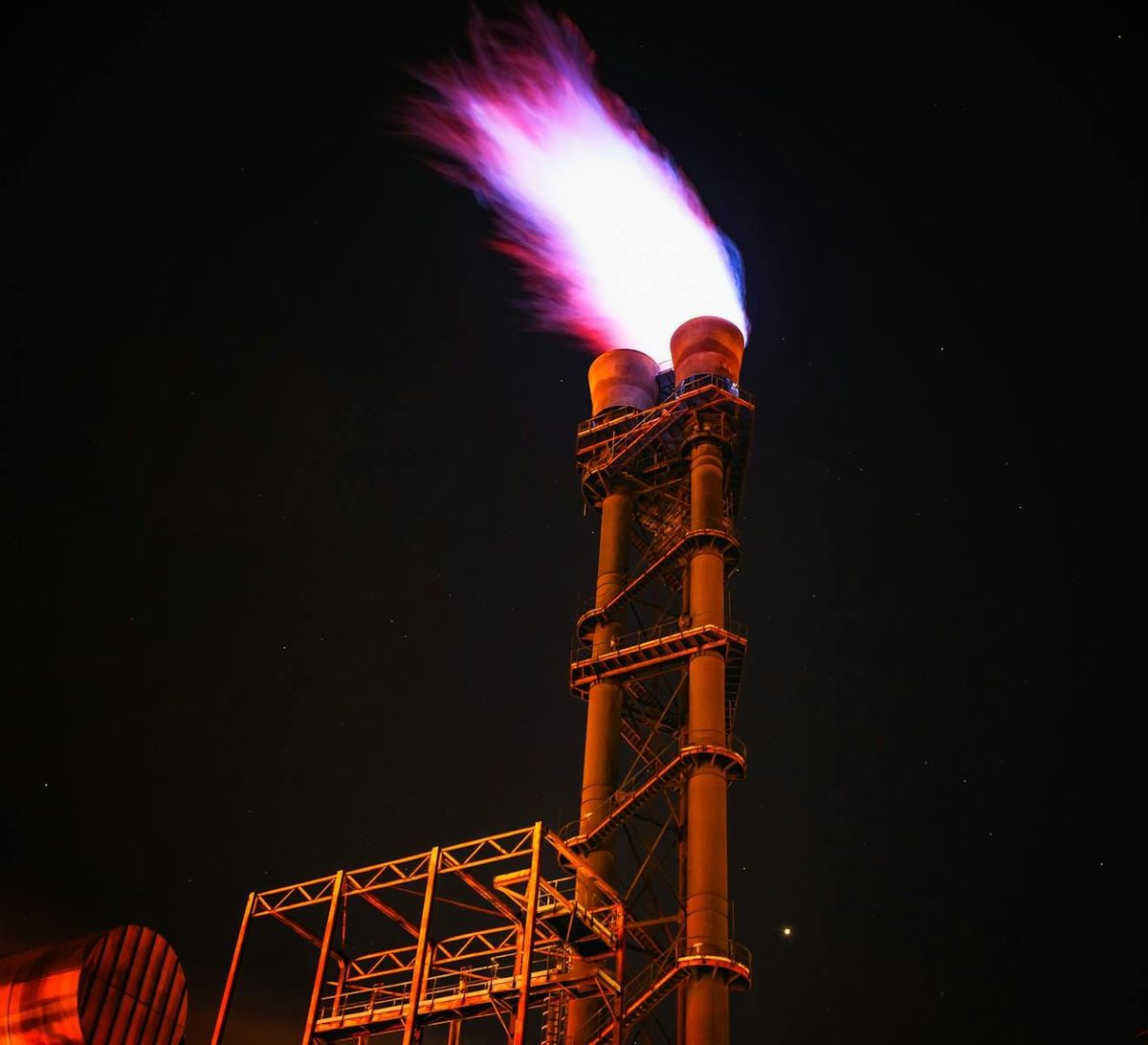
Tuesday ended with a bid that Monday never quite managed. WTI closed near $104/bbl, up roughly $2.80 on the session. Brent pushed above $110. Natural gas futures jumped more than 7% to $3.11/MMBtu. The catalyst was a combination the market had been waiting for: confirmation that the Trump administration delayed a planned military strike on Iran, and a simultaneous extension of waivers for buyers of Russian crude. Markets read both moves the same way — more time at $100+ before the endgame arrives.
The Strike Delay and What It Actually Means
Trump's decision to pause action against Iran was not a de-escalation. Iran laid out sweeping demands Tuesday — lifting the U.S. naval blockade, releasing frozen assets — that Washington immediately characterized as a non-starter. The delay is tactical, not diplomatic. It buys a window for negotiations that U.S. officials say are unlikely to succeed but that keep international pressure intact longer than a strike would.
CIR Analysis: For US upstream operators, the strike delay is the better commercial outcome in the near term. A strike on Iranian infrastructure would trigger immediate IRGC retaliation across Hormuz, likely bringing additional tankers into the stranded category beyond the roughly 100 already stuck inside the Gulf. Markets would gap violently — probably higher on the first day, then lower on demand destruction fears. A protracted standoff at $100-$110 Brent is the scenario that allows US operators to pump, hedge, and generate free cash flow without the chaos of a shooting war. They get the price. They avoid the crisis.
SPR at Record Drawdown — The Cushion Has Limits
The White House's other lever is the Strategic Petroleum Reserve. A record 9.9 million barrels were released from the SPR last week, the highest single-week drawdown ever recorded — above the Biden administration's average rate of 1 million b/d. Total SPR inventories have fallen to approximately 374 million barrels, the lowest since July 2024. Roughly 60% of released SPR volumes enter the domestic downstream market; the remainder is exported, with European buyers specifically targeting grades like Bryan Mound Sour.
That pace cannot hold. At 1.4 million b/d equivalent, the SPR would be depleted to the congressionally mandated operational minimum within roughly eight months. Administration officials have indicated the drawdown will moderate, but at current Hormuz throughput — a handful of vessels making the crossing using AIS-off tactics — the global supply deficit does not close without Iranian supply returning or sustained US production growth.
CIR Analysis: The SPR play is a demand-management tool disguised as a supply fix. It keeps gasoline prices politically acceptable while the market absorbs the Hormuz shock. What it does not do is replace the 1.5-2 million b/d of Gulf crude that has effectively exited the market. US producers at $104 WTI are the structural answer. The SPR is the bridge.
Natural Gas: The Other $100 Story
The 7%+ jump in natural gas futures on Tuesday was not geopolitical. It was regulatory and commercial. The Natural Gas Supply Association made public Tuesday that U.S. LNG exporters are seeking a pause on EU methane emissions enforcement, pushing back implementation until at least 2028. Charlie Riedl, NGSA senior vice president, noted that some U.S. companies have directed commercial teams to halt long-term contract negotiations with European buyers until regulatory clarity arrives.
The irony is acute. Europe needs reliable gas supply right now. Its second energy crisis in four years is accelerating, European power prices are structurally elevated versus U.S. and Asian competitors, and EU AI/data center competitiveness is visibly deteriorating. Yet Brussels' methane rules, scheduled to require compliance from 2027, are freezing the very long-term deal structures that would underpin expanded U.S. LNG capacity additions.
CIR Analysis: The gas futures move reflects a market recalculating the probability of sustained high LNG demand without the long-term contract backstop that makes new capacity economically viable. For Haynesville and Appalachian producers, the methane regulation standoff is a near-term pricing catalyst but a medium-term demand-growth risk. If U.S. exporters and European buyers cannot reach regulatory consensus by mid-2026, some capacity projects face delays that would reduce gas demand pull-through from LNG after 2028.
What Wednesday's Open Depends On
Three things to watch at the open: whether Trump's diplomatic messaging sharpens or softens toward Tehran (any signal of re-escalation adds $3-5 to Brent immediately); whether the Hormuz tanker situation evolves from a handful of crossings to something resembling normal throughput (it has not yet); and whether Wednesday's EIA weekly petroleum status report shows continued inventory draws consistent with the deficit math. Last week's implied crude draw was 3.2 million barrels per the API estimate. A larger number confirms the supply picture is not improving.
The COP Alaska LNG headline also out Tuesday — a 30-year supply deal for the planned $40 billion Glenfarne project — is worth filing. If ConocoPhillips is willing to anchor a 20-mtpa project with a 30-year commitment in this environment, the market's confidence in sustained gas demand extends well beyond the short cycle.
Crude Intelligence Report is an independent upstream oil and gas intelligence publication. The content in this article is for informational purposes only and does not constitute investment advice, financial advice, or a recommendation to buy or sell any security. Always conduct your own due diligence before making investment decisions. CIR and its contributors may hold positions in companies mentioned; any such positions will be disclosed when known. © 2026 Crude Intelligence Report. All rights reserved.
This article contains forward-looking statements and analytical opinions. Actual results may differ materially.