CIR Morning Brief — Tuesday, May 19, 2026
Oil prices eased modestly at Tuesday's open as the market absorbed Monday's geopolitical premium. WTI settled back from Monday's $104.38 close to $103.09, and Brent slipped from $112.10 to $110.14, a move that looks more like technical consolidation than any fundamental change in the supply picture. Hormuz transit remains case-by-case under IRGC control, and the IEA's latest projections point to a 2026 supply deficit that's getting wider, not narrower. Meanwhile, Japan's government signaled it may move to an emergency supplemental budget to offset oil's fiscal drag. At \$100-plus Brent, that’s real money for a major crude importer running a weakening yen.
Prices: Modest Pullback, Geopolitical Floor Intact
WTI: $103.09/bbl | Brent: $110.14/bbl | Henry Hub: $3.045/MMBtu | Waha: $2.91/MMBtu
Source: Yahoo Finance live spot data as of 5:30am CT May 19, 2026; Waha as of most recent EIA daily spot data (May 12)
The WTI-Brent spread sits at $7.05, essentially unchanged from Monday. Henry Hub ticked up $0.021 overnight to $3.045/MMBtu, a three-week range high, as June delivery attracts early power-sector positioning ahead of summer cooling demand. The Waha-Henry Hub basis at last EIA read showed roughly -$0.11/MMBtu. That basis has compressed significantly since Matterhorn Express reached operational capacity, but watch for widening pressure if Permian gas production ramps in H2.
Japan's Fiscal Signal: High Oil Has Consequences
Japanese Minister Takaichi said Tuesday the government will consider an extra budget for FY2026 specifically to address oil price impacts. That's not surprising at Brent $110, but it matters for the demand outlook: Japan's response is fiscal accommodation, not demand destruction. At the pre-2025 geopolitical baseline, $110 Brent would be prompting fuel switching and demand rationing across Asian importers. What we're actually seeing is subsidy and buffer policies activating, which keeps demand intact but exports the fiscal pain onto government balance sheets. India's response to the Russia waiver expiry was similar: find replacement barrels from the Atlantic Basin and keep crude flowing. The global demand side is holding up better than the price signal suggests it should.
EIA Deficit Outlook: Supply Math Still Doesn't Work
The EIA's latest oil market outlook projects the 2026 global supply deficit widening further, a function of Gulf supply still operating below pre-Hormuz disruption levels, with OPEC-plus structural capacity constraints and non-OPEC growth unable to fully cover the gap at current activity levels. According to EIA data, US crude production averaged 13.57 MMbbl/d in the most recent weekly report. With the Permian rig count still 43 rigs below year-ago levels per Baker Hughes data, the US supply response is constrained even at $103 WTI.
CIR Analysis: The forward curve is pricing in a supply recovery that the rig count doesn't support. If US shale isn't adding rigs at $103, the deficit math stays bullish into Q3.
Technology Tuesday: Gas Power Demand and the Data Center Build-Out
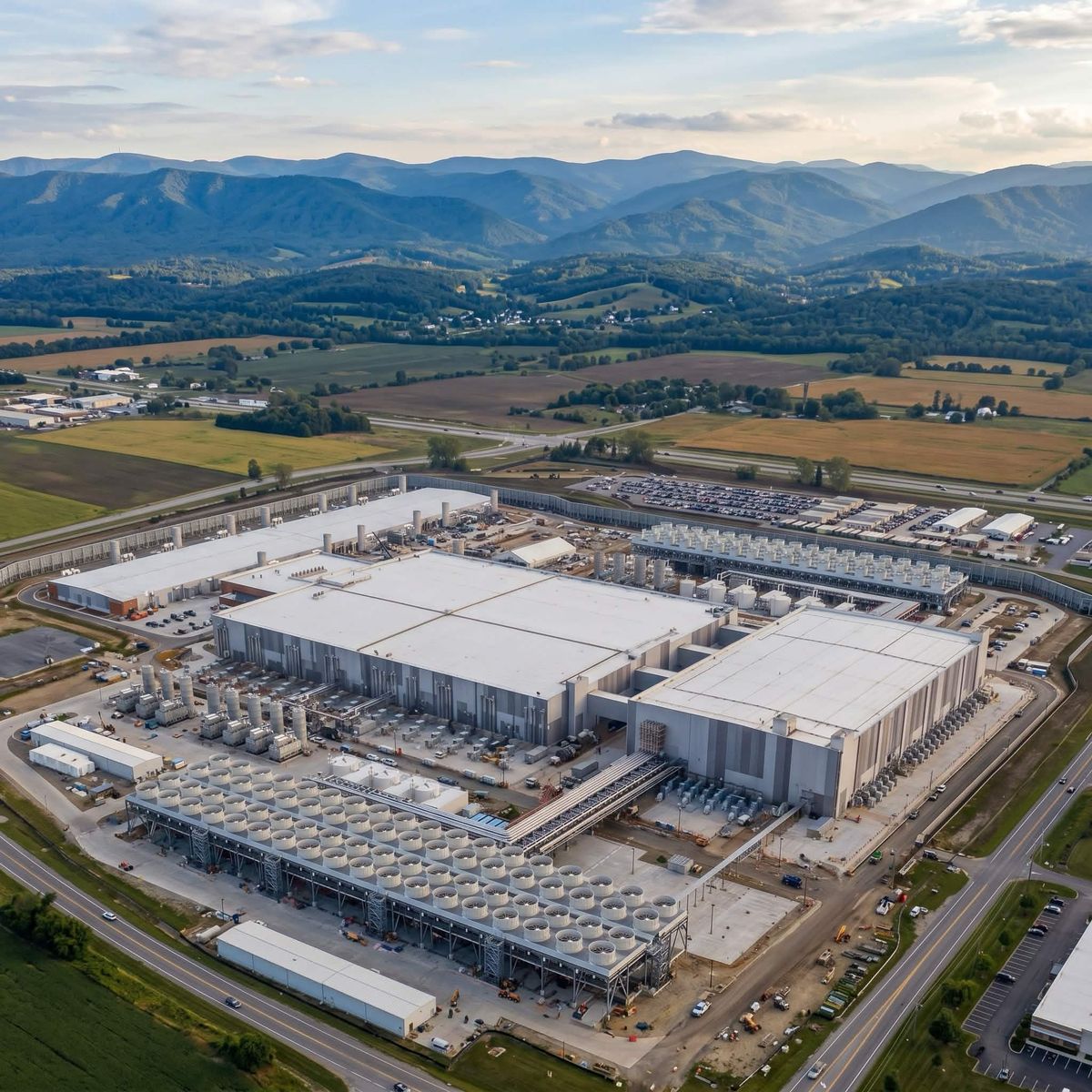
The story gaining the most sustained momentum in the upstream technology space is the intersection of AI infrastructure and natural gas power demand. Hyperscale data centers continue to build in the mid-Atlantic corridor and Southeast, primarily powered by gas-fired generation. The Haynesville and Appalachian basins are positioned as the primary beneficiaries of incremental power-sector gas demand, not just through LNG export but through direct pipeline connectivity to major power markets. EQT's MVP mainline, now fully operational, is the critical piece: it connects Appalachian gas to Southeast demand centers where AI-driven power load growth is most concentrated.
The Tuesday flowback service beat aligns cleanly here. TETRA Technologies and Select Water Solutions both reported Q1 2026 results earlier this month, with produced water volumes running at record pace. That data is the most reliable real-time proxy for completion activity, and it's pointing to sustained operator frac programs even as the aggregate rig count stays flat.
CIR Analysis published: Produced Water Above the Noise: What TETRA and Select Water’s Q2 Guidance Signals About H2 Frac Activity — full article available to paid subscribers.
CIR Analysis published: The H2 2026 Gas Race: Why Haynesville Wins LNG and Appalachian Wins Data Centers — full article available to paid subscribers.
Disclosure: The author/publisher holds positions in EQT and EXE as of the publication date. This does not constitute investment advice.
Crude Intelligence Report is an independent upstream oil and gas intelligence publication. The content in this article is for informational purposes only and does not constitute investment advice, financial advice, or a recommendation to buy or sell any security. Always conduct your own due diligence before making investment decisions. CIR and its contributors may hold positions in companies mentioned; any such positions will be disclosed when known. © 2026 Crude Intelligence Report. All rights reserved.
This article contains forward-looking statements and analytical opinions. Actual results may differ materially.