Kurdistan's Ceyhan Lifeline: What Iraq's Pipeline Restart Means for Atlantic Basin Supply and the Brent-WTI Spread
Iraq's PM directed Kurdistan operators to restart Thursday, targeting 450,000 bbl/d through the Iraq-Turkey Pipeline to Ceyhan. CIR Analysis on what it means for Atlantic Basin supply and the Brent-WTI spread.

Geopolitical | Source data: Iraq Prime Minister's Office statement June 4, 2026; Reuters trade sources June 4, 2026; DNO Q1 2026 trading update April 20, 2026; EIA U.S. crude production data March 2026; Yahoo Finance commodity prices June 4, 2026
Iraq is executing a supply pivot that could redirect several hundred thousand barrels per day of crude from the locked Persian Gulf corridor toward the Mediterranean. The mechanism is the Iraq-Turkey Pipeline, terminating at the Turkish port of Ceyhan. The addressable volume is large enough to matter for Atlantic Basin pricing but small enough that its arrival will land on a market already absorbing competing signals.
The Directive and What It Actually Means
Iraqi Prime Minister Ali Falih Al-Zaidi on Thursday directed oil companies operating in the Kurdistan Region to resume operations, meeting with KRG officials and company executives. The directive represents an escalation of Iraq's effort to route crude around Hormuz, which has been effectively closed for more than three months.
The numbers are significant. Iraq's Ceyhan pipeline exports currently run approximately 220,000 bbl/d. The government this week approved a plan to increase that to 770,000 bbl/d over three months, a roughly 3.5x increase. The near-term figure of 450,000 bbl/d is an intermediate target requiring field restarts from operators including Norway's DNO, which had halted all Kurdistan activity when the Iran conflict began.
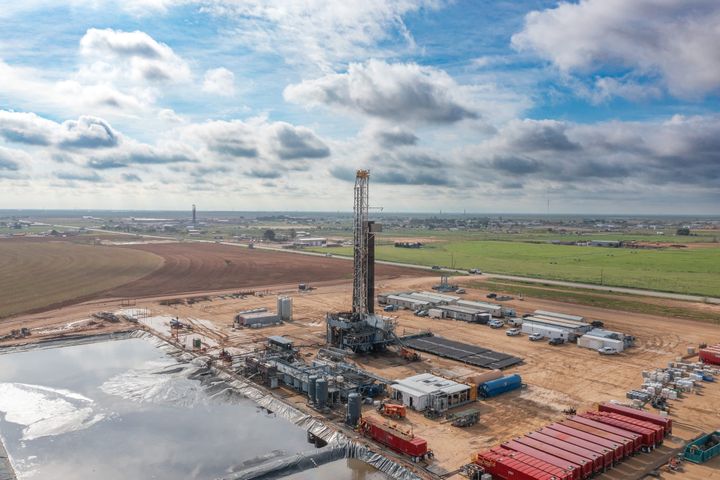
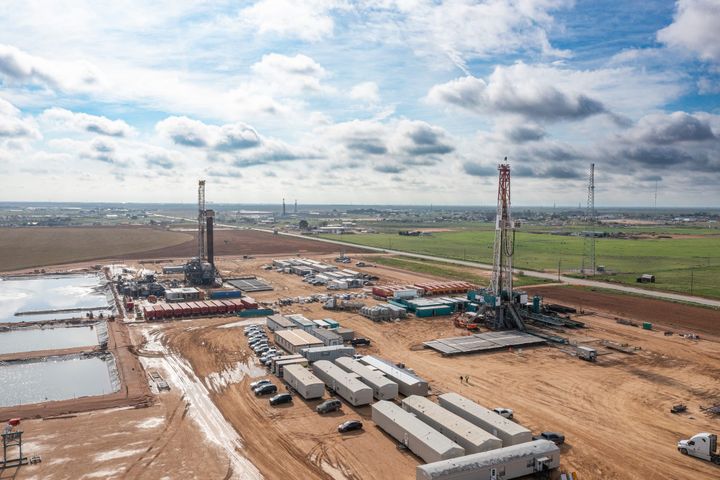
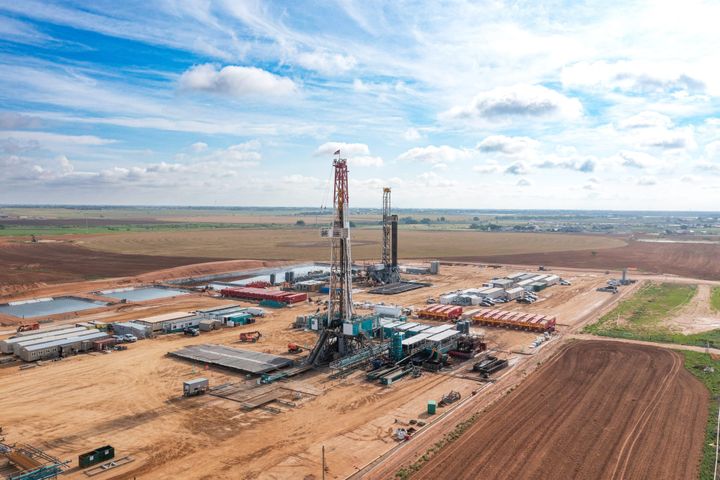
DNO is already moving. The company restarted field operations on April 9 following the early-April ceasefire, including workover programs at Tawke and Peshkabir and an eight-well drilling campaign. That positions DNO to contribute barrels faster than operators that have not yet restarted.
Why Ceyhan Matters for Atlantic Basin Buyers
Iraq's southern export infrastructure runs through Hormuz. With Hormuz de facto closed, Basrah exports have collapsed. The Iraq-Turkey Pipeline exits the Persian Gulf supply chain entirely: crude loaded at Ceyhan ships into the Eastern Mediterranean, from which it reaches European refiners, US Gulf Coast buyers, and Atlantic Basin spot markets.
CIR Analysis: Kurdistan crude is predominantly light sweet grades, Tawke Blend and Peshkabir, readily fungible with North Sea and West African barrels. If Iraq achieves even 450,000 bbl/d through Ceyhan, it introduces commercially attractive barrels into markets that have been starved of Persian Gulf supply. This is categorically different from the heavy sour Basrah Light that flows through Hormuz and has limited Atlantic Basin demand.
Brent-WTI Spread Dynamics
The Brent-WTI spread has compressed during the Hormuz disruption. As of Thursday's session, WTI trades at $93.23/bbl and Brent at $95.23/bbl, a spread of roughly $2.00 per barrel, near the lower bound of the historical $2-4 range. This compression reflects US crude export volumes reaching multi-year highs as an Atlantic Basin backstop, while Brent's geopolitical premium has deflated as Iran deal diplomacy generates ongoing noise.
Kurdish crude arriving at Ceyhan adds Mediterranean supply directly into the Brent physical market. Higher Ceyhan volumes introduce Brent-quality supply at the source, which holds Brent from re-widening the spread against WTI.
CIR Analysis: Every 100,000 bbl/d Iraq reroutes through Ceyhan competes directly with North Sea Dated and Mediterranean spot crude, not with WTI Midland. US exporters do not lose their Atlantic Basin advantage here. If anything, additional Mediterranean supply normalizes European refinery operations and sustains total refined product demand at a level that continues pulling US exports across the Atlantic.
The China Headwind
Chinese teapot refiners are cutting crude intake, complicating the supply read-through. Iranian Light crude fell to $0.50-1.00/bbl discounts against ICE Brent as of Thursday, the first discounts in two months, per Reuters trade sources. Russian ESPO premium to Brent softened to $3-4/bbl from $4-5/bbl in May. The driver is demand: independent Chinese refiners are reducing run rates amid mounting losses, and Beijing has eased the order to sustain fuel output.
CIR Analysis: This does not directly affect Ceyhan crude, which targets European and Atlantic Basin buyers rather than Asian refiners. But it signals that the global demand side is absorbing the supply shock with more friction than headline inventory draws suggest. Displaced Iranian and Russian volumes seeking new homes will compete with Kurdistan crude for the same Atlantic Basin buyers. The net effect is a less tight Brent market than the pure supply disruption story would imply.
Execution Risk
Three months to 770,000 bbl/d assumes significant operational recovery. Kurdistan's production base sustained real disruption. Field restarts require logistics and equipment checks that cannot be compressed arbitrarily. The Iraq-Turkey Pipeline itself ran below its nameplate capacity of 450,000 bbl/d even before the Hormuz disruption, and the pipeline has its own maintenance requirements after extended low utilization.
What To Watch
- Ceyhan loading data: Tanker tracking will show loadings within days of any meaningful restart. Sustained volumes above 300,000 bbl/d signals the restart is delivering.
- Brent-WTI spread: If Ceyhan builds toward 450,000 bbl/d on schedule, expect the spread to remain compressed. A widening back above $3.50/bbl would suggest the restart is tracking below target.
- DNO production updates: As the operator furthest along in field restart, DNO's Tawke and Peshkabir numbers are the leading indicator for total Kurdistan recovery.
- Chinese teapot run rates: Iranian Light discounts deepening past $1.50/bbl to Brent would signal China is allowing further cuts, pushing displaced barrels into Atlantic Basin competition.