The Deal That Did Not Deal: WTI Holds $76 as Hormuz Goes Quiet Again
WTI closed at $76.54. The Hormuz talks collapsed before they began. Kuwait pledged 2 million bpd. And the market barely moved. Here is what that tells operators about where we are.
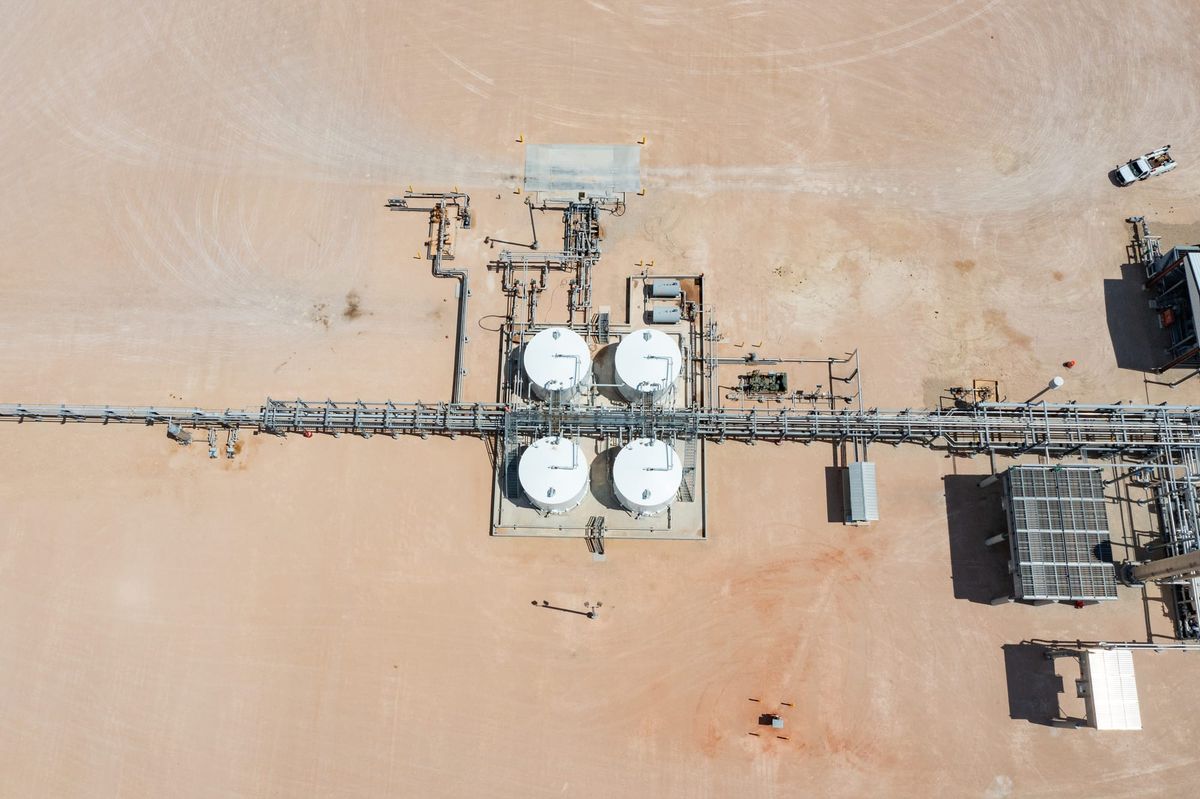
WTI closed Friday at $76.54. Flat, almost to the cent, against Thursday's $76.60 close. That number should not be reassuring.
The day's real story was everything that happened around that price — the U.S.-Iran talks that collapsed before they began, the Strait of Hormuz that went quiet again after Thursday's 18-transit window, and Kuwait's pledge to restore 2 million barrels per day within a week, then immediately reconsidered. By any historical measure, today was a volatile day for the Middle East. By WTI's standard, it was a non-event.
The Hormuz Window That Closed
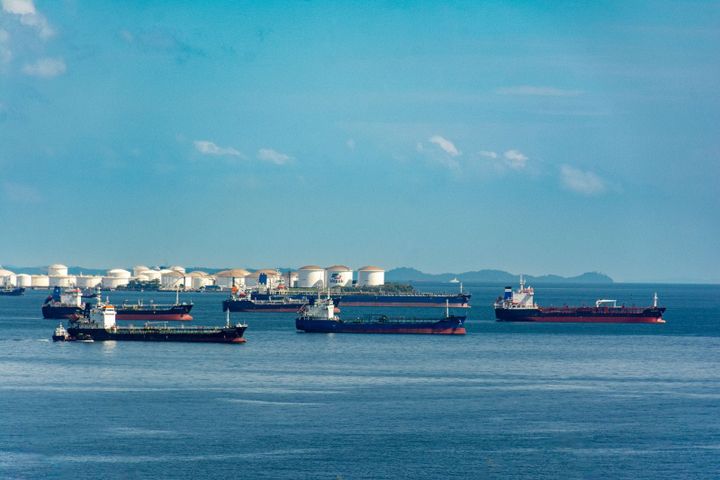
Thursday marked the highest single-session tanker traffic through the Strait of Hormuz since the conflict began: 18 transits across the June 17-18 window, according to maritime intelligence data. Saudi supertankers carrying roughly six million barrels moved out dark. Chinese-affiliated, European, and Japanese tonnage all made early runs through the chokepoint.
Friday told a different story. By morning, no outbound tanker had been observed transiting. The U.S.-Iran talks that were supposed to begin in Switzerland — the 60-day framework agreement's first formal session — never started. Trump stated Iran came "out of desperation" and declared the talks finished. Iran's side offered no counter-statement by close of the trading day.
Yet Brent climbed to $80.59 by Friday's settlement, up from Thursday's $79.85. Oil did not fall on the news. That matters.
CIR Analysis: The market has built enough uncertainty back into the price that bad news from Hormuz is no longer automatically bearish. The selloff from $100 to below $77 this week priced in substantial deal success. When the deal wobbled, the market did not give back the whole move — which suggests traders believe some version of a Hormuz resolution is still coming, just not on Friday.
Kuwait's Signal and What It Means for US Producers
Before the talks broke down, Kuwait Petroleum Corporation's CEO told state media the country expected to hit 2 million bpd within a week — up from 573,000 bpd in May, the result of Hormuz closure forcing Kuwait to slash output when it lost access to its only export route. Kuwait has no pipeline alternative to bypass the Strait.
That 1.4-million-bpd restoration number, multiplied across the Gulf region's cumulative shut-in capacity, is what US operators need to model. Estimates of total OPEC+ shut-in production during the Hormuz closure run as high as 13 million bpd. Even a partial restoration — 30 to 40 percent over 90 days — reshapes the supply picture that has kept WTI in the $75-$80 range after its collapse from the conflict-era premium above $100.
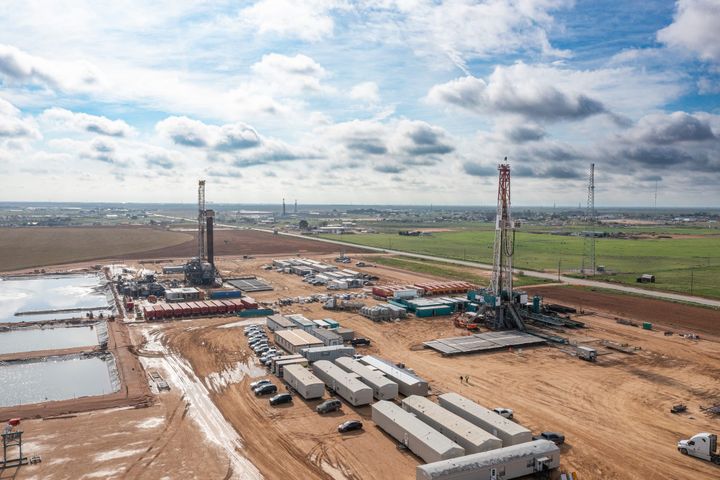
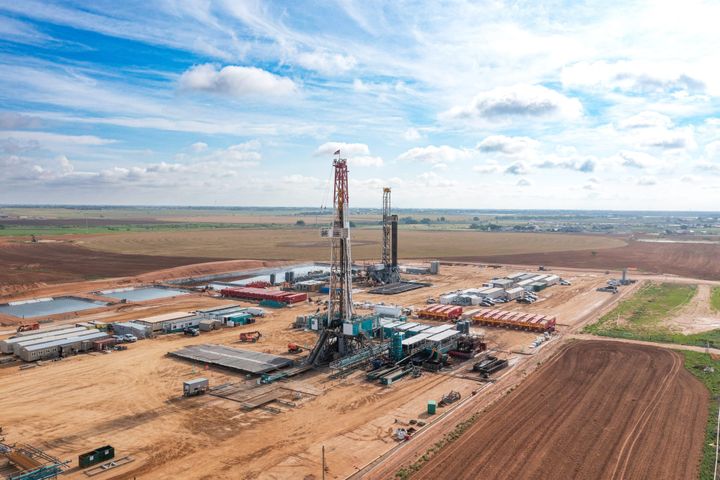
For Permian operators, the relevant question is not whether WTI holds $75. It is whether WTI holds $75 with 3 to 4 million bpd of new Gulf supply entering the market over the next two quarters. That math is different. That math implies a floor test, not a floor.
The Israel-Hezbollah Variable
Late Friday afternoon, Reuters confirmed an Israel-Hezbollah ceasefire agreement in southern Lebanon. The truce directly addressed the biggest near-term threat to the U.S.-Iran framework: Israeli military operations along Hezbollah's southern positions were testing whether the broader peace architecture could hold.
Israel is not a party to the U.S.-Iran agreement. Hezbollah is not a party. But both are parties to the regional stability that any durable Hormuz resolution requires. The ceasefire announcement pushed Brent briefly above $81 before settling. It was the first constructive geopolitical data point of the afternoon after a morning full of noise from the collapsed Switzerland talks.
CIR Analysis: Today's sequence — Hormuz goes quiet, Iran talks collapse, Israel-Hezbollah truce signed — is not a story about peace. It is a story about managed instability. Markets are learning to price a world where neither full resolution nor full breakdown happens on any given day. That is structurally bearish for volatility premiums and structurally uncertain for the supply recovery timeline.
What To Watch
- 60-day clock: The U.S.-Iran framework MOU begins its countdown regardless of whether talks happened Friday. Watch whether formal negotiations begin in week two or the MOU itself falls apart.
- Gulf restoration pace: Kuwait at 2 million bpd is a timeline signal. Saudi, UAE, and Iraqi volumes add further. If 3 to 5 million bpd returns over June through August, $75 WTI becomes a ceiling, not a floor.
- Baker Hughes rig count: Released today. The morning brief noted a flat-to-slightly-declining trend. If operators hold the line at $75-$76, rig count stability is the key indicator that US production discipline survives the downcycle.
- Gas divergence continues: Henry Hub settled near $3.20 Friday, firming week-over-week. The oil-gas split that drove today's EQT/EXE analysis remains the most important structural story in the market — crude giving back the war premium while gas firms on summer cooling demand and LNG flow recovery into Europe.
Crude Intelligence Report is an independent upstream oil and gas intelligence publication. The content in this article is for informational purposes only and does not constitute investment advice, financial advice, or a recommendation to buy or sell any security. Always conduct your own due diligence before making investment decisions. CIR and its contributors may hold positions in companies mentioned; any such positions will be disclosed when known. © 2026 Crude Intelligence Report. All rights reserved.
This article contains forward-looking statements and analytical opinions. Actual results may differ materially.