First Blood in the Shadow War: France Seizes Russian Tanker, and the Enforcement Map Just Changed
Geopolitical | Source data: French Navy public statements, EIA U.S. crude production data (March 2026), Yahoo Finance commodity prices (June 1, 2026)
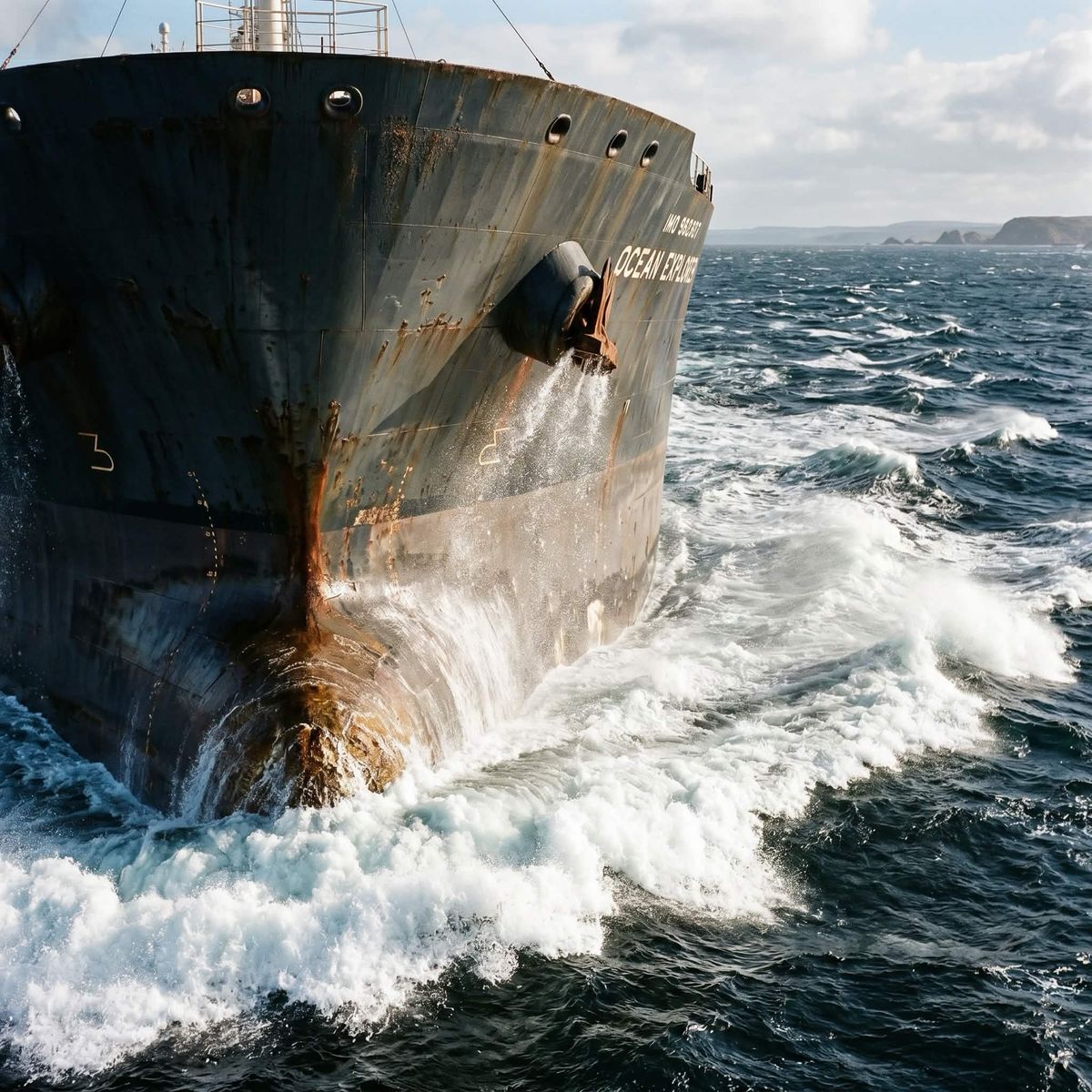
The French Navy's boarding and seizure of the sanctioned Russian crude tanker Atlantic marks the first time a European naval force has physically interdicted a shadow fleet vessel at sea. It changes the enforcement calculus for every Russian barrel moving outside Western insurance and compliance frameworks.
That is not purely a geopolitics story. It is a crude logistics story with a direct read-through to U.S. export markets.
What Happened
The Atlantic, a crude tanker linked to Russian export flows and operating outside Western P&I insurance coverage, was boarded by French naval personnel in international waters. Full cargo details and the vessel's destination remain pending, per French government statements as of Monday morning.
The significance is the method. Prior enforcement against the Russian shadow fleet has been bureaucratic: sanctions listings, port bans, insurance blacklisting. Physical interdiction by a NATO navy vessel is a different instrument entirely.
CIR Analysis: The first interdiction establishes precedent. If France can seize a sanctioned tanker in international waters without triggering broader diplomatic rupture, other European navies will face pressure to act on the authority they already hold. The shadow fleet has operated on the assumption that enforcement would stay a paperwork exercise. That assumption is now being tested.
The Shadow Fleet's Structural Exposure
Russia's crude export machine since mid-2022 has been sustained by a fleet of approximately 600 to 700 tankers operating outside Western P&I coverage, registered in non-Western jurisdictions, and frequently relying on AIS manipulation and ship-to-ship transfers to obscure cargo origin. The fleet has been functional. Russian crude production has broadly held, and Indian and Chinese refiners have absorbed discounted Urals at meaningful spreads below Brent throughout 2024 and into 2025.
The structural vulnerability is physical and financial. Shadow tankers cannot access Lloyd's-backed hull insurance, cannot dock at Western-aligned ports for maintenance, and have limited options when something goes wrong at sea. When a vessel is seized or suffers a structural casualty in waters where no insured party responds, the operating cost of that crude rises.
CIR Analysis: One seizure does not break the Russian export machine. Six hundred tankers is a large fleet. But the risk premium that Russian crude buyers in India and China must now price into their logistics chain has shifted. Buyers absorbing $15/bbl discounts as margin will need to factor in seizure risk, rerouting costs, and likely higher charter rates for shadow fleet vessels whose operators will reprice the new liability environment.
The U.S. Export Read-Through
This is where the upstream implications get specific.
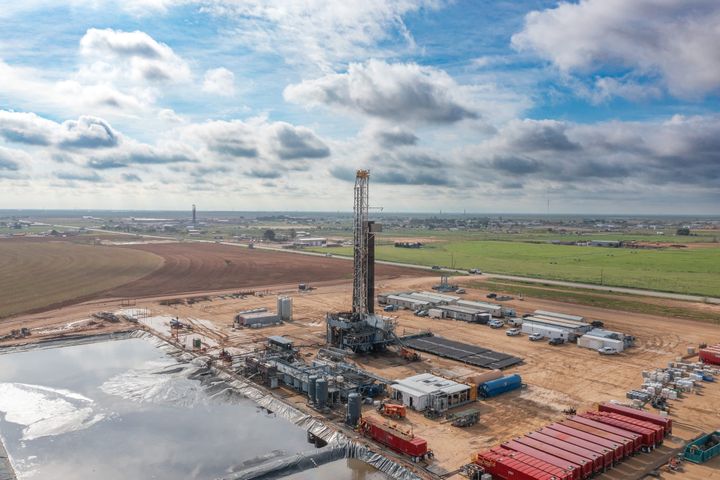
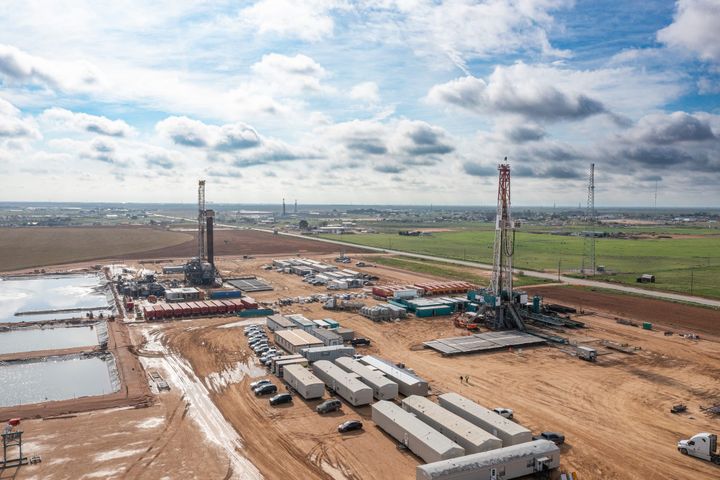
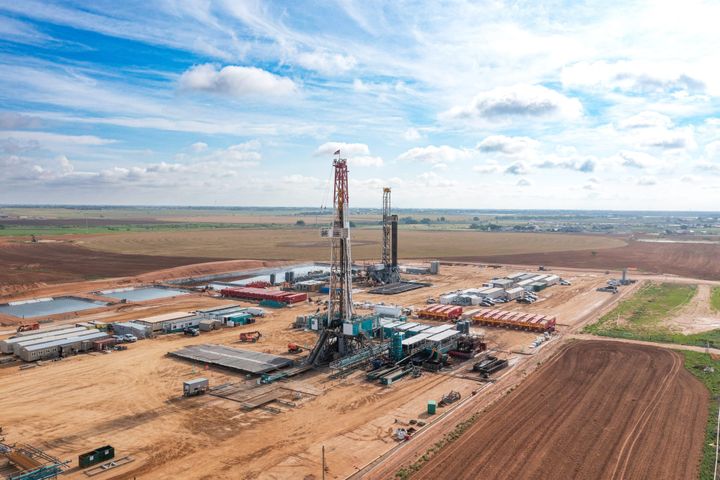
U.S. crude production stood at 13,696 Mbbl/d in March 2026, per EIA data, essentially flat with February's 13,697 Mbbl/d. The Permian is running near capacity without meaningful basin-level production growth. But U.S. crude exports are fully insured, fully trackable, and fully compliant with Western banking infrastructure, with consistent VLCC lift availability off the Gulf Coast.
CIR Analysis: If shadow fleet enforcement tightens further, the Urals-to-Brent discount that Russian crude commands will compress, because buyers must pay more to move it safely. As that spread narrows, U.S. crude becomes more competitive at the margin for Asian refiners configured for light-sweet barrels.
WTI: $92.60/bbl | Brent: $95.37/bbl | Henry Hub: $3.18/MMBtu
Source: Yahoo Finance, June 1, 2026
The WTI-Brent spread is running at $2.77/bbl, historically tight, suggesting the market is already embedding some supply disruption premium into the international barrel. That spread tells you how competitively positioned U.S. crude sits relative to Brent-priced alternatives.
The Hormuz Compounding Effect
This seizure lands on a day when WTI is already trading $4.67/bbl above Friday's close, driven by the weekend U.S. strikes on Iran and the Israel-Lebanon offensive expansion covered in this morning's brief. These are separate events with separate mechanics, but they compound in the same direction: Russian displaced barrels are harder to route, Iranian supply faces further constraint, and U.S. producers are sitting on 13.7 Mbbl/d of fully compliant, export-ready crude with Gulf Coast terminal capacity to lift it.
What keeps that opportunity from being fully realized is the same thing it always is: VLCC availability, price parity with competing light crude grades, and whether Asian refinery operators actually diversify their procurement or absorb the risk premium and stay the course with Russian supply.
What To Watch
- French government disclosure: If the Atlantic's destination is confirmed as India or China, that identifies specific buyer relationships under new strain.
- European naval coordination: Signals from UK, Netherlands, or German navies on shadow fleet interdiction authority will indicate whether this is a one-off or the start of an enforcement campaign.
- Urals-Brent spread: Monitor via AP and Reuters wire coverage. Widening from the typical $10 to $15/bbl range toward $20-plus would signal buyers repricing enforcement risk directly.
- EIA weekly crude export data: Released Wednesdays. Any acceleration in Gulf Coast crude lift activity would be the first hard signal of U.S. export market capture.
- Russian diplomatic response: A formal protest to France or NATO, or retaliatory action against French energy assets, is the clearest signal that Moscow views this as genuine escalation rather than a one-time incident.
Crude Intelligence Report is an independent upstream oil and gas intelligence publication. The content herein is for informational purposes only and does not constitute investment advice, financial advice, or a recommendation to buy or sell any security. Always conduct your own due diligence before making investment decisions. CIR and its contributors may hold positions in companies mentioned; any such positions will be disclosed when known. © 2026 Crude Intelligence Report. All rights reserved.
This article contains forward-looking statements and analytical opinions. Actual results may differ materially.