Diamondback Energy: Running the Permian at Scale
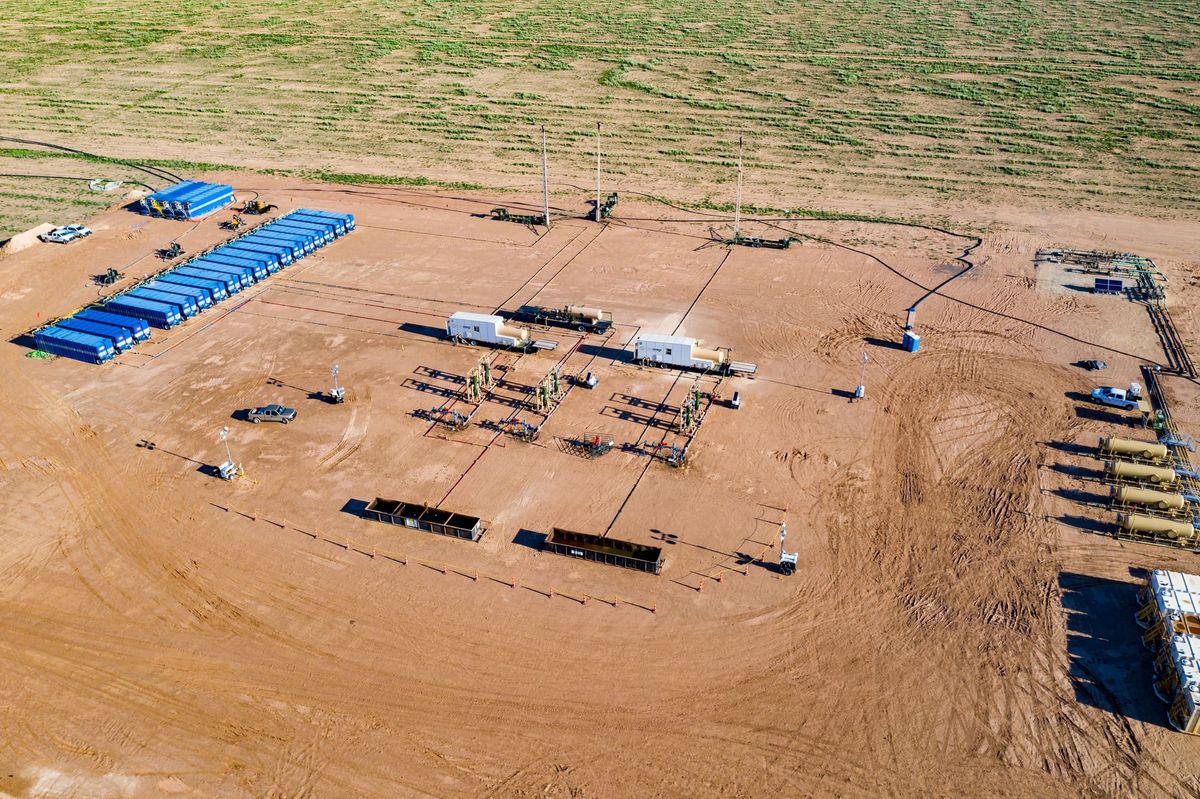
Diamondback Energy after the Endeavor acquisition is a different company than the one that listed in 2012 and grew through disciplined Delaware Basin drilling. Post-Endeavor, FANG is the largest independent Permian pure-play in the public markets — roughly 470,000-480,000 BOE/d of production, approximately 1 million net acres in the Midland and Delaware sub-basins, and a cost structure that was the lowest in the peer group before the deal and should be lower still as integration synergies compound. This is a deep dive into what that actually means for 2026 and beyond.
The Endeavor Integration: Where Things Stand
Diamondback closed the Endeavor acquisition in mid-2024 for approximately $26 billion — the largest private-to-public Permian transaction in history. The deal brought 350,000 net acres in the core Midland Basin, roughly 180,000 BOE/d of production, and an acreage position that had been carefully assembled and largely undrilled, preserving inventory for the post-acquisition period.
Integration in the upstream is different from integration in manufacturing. The assets keep producing regardless; the integration work is about systems (ERP, reservoir models, completion designs), people (retaining the best Endeavor engineers while managing cultural integration), and vendor contracts (consolidating service relationships for volume discounts). FANG's track record on prior integrations — QEP Resources in 2021, FireBird Energy in 2022 — was excellent. The Endeavor integration is 4x larger, but the playbook is proven.
Q1 2026 is the first full quarter where the combined entity is on a unified operating platform. Early read: the integration is on track. The guided $550 million in annualized synergies — primarily from service contract consolidation and operating overhead — appears achievable based on the Q4 2025 cost per BOE trajectory.
Delaware vs. Midland: Running Both Sub-Basins
Pre-Endeavor, FANG was primarily a Delaware Basin operator with growing Midland Basin exposure. Post-Endeavor, the portfolio flips: the combined company has more Midland Basin production than Delaware, though both are significant.
Midland Basin: The core of the Endeavor legacy. Midland Basin geology — multi-stacked Wolfcamp and Spraberry intervals — allows pad drilling at massive scale. FANG's Midland program targets 3-3.5 mile laterals in the Wolfcamp A and B intervals primarily, with Spraberry development running below at lower intensity. Type curve wells in core Midland are delivering 1,500-1,800 BOE/d IP30 at completion costs around $700-$800 per lateral foot.
Delaware Basin: More technically complex, but higher per-well productivity in the best intervals. The Delaware's Bone Spring 2nd and 3rd benches and Wolfcamp A on FANG's Martin/Ward county acreage are top-tier Delaware rock. Delaware wells run $800-$950 per lateral foot but deliver IP30 rates of 2,000-2,500 BOE/d on FANG's core leases. The higher cost per foot is justified by the production uplift.
The combined portfolio gives FANG operational flexibility that pure-Delaware or pure-Midland operators lack: when one sub-basin faces service cost inflation or water disposal constraints, the other can absorb incremental capital. That optionality has real option value.
2026 Capital Program
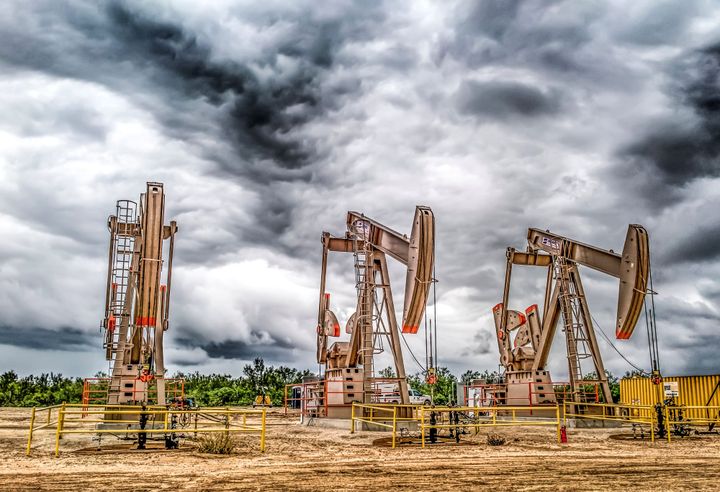
FANG guided 2026 capex at approximately $3.8-$4.2 billion — roughly flat with 2025 on a same-asset basis, excluding the Endeavor increment. The program runs 12-14 rigs across both sub-basins, with a completion crew count of 10-11 at peak operations. Lateral lengths are trending up: 2026 average expected lateral length is approximately 3.0 miles, up from 2.6 miles in 2024, driven by leasehold consolidation that enables longer drilling corridors.
Longer laterals are not costless — they require better downhole navigation, more complex completion designs, and typically higher proppant loading — but the per-BOE economics improve meaningfully. The additional cost per foot to extend from 2.5 to 3.0 miles is offset by the fixed surface and mobilization costs spread over more reservoir. FANG's completion team has been running extended-reach operations long enough that the learning curve is largely behind them.
Cost Structure vs. Peers
The metric that matters: lease operating expense (LOE) plus cash G&A per BOE. FANG guided this metric at approximately $10.50-$11.50/BOE for 2026. Peer comparisons at similar scale:
- ExxonMobil Permian: ~$8-9/BOE (best-in-class, but Majors accounting differs)
- Diamondback (FANG): ~$10.50-$11.50/BOE (best independent Permian cost)
- Permian Resources: ~$11.50-$13.00/BOE
- Civitas Resources: ~$14-16/BOE (multi-basin complexity)
At a $70 WTI environment, FANG's $10.50-$11.50 cost structure generates roughly $35-$40/BOE of cash operating margin before capital. That's competitive with any publicly traded Permian operator.
Why FANG Is the Purest Permian Pure-Play Left at Scale
ExxonMobil's Permian position is larger, but ExxonMobil is a Major — downstream integration, global portfolio, and corporate complexity make direct Permian comparison difficult. ConocoPhillips has Delaware Basin exposure but diversified globally. Chevron's Permian is a significant asset but part of a much larger portfolio. FANG is unique: a $50+ billion company whose entire business is Permian Basin crude and gas production, with no downstream, no international, no offshore. What you see in the 10-K is the Permian story in full resolution.
For investors seeking pure Permian exposure, FANG is the instrument. For analysts trying to understand Permian operating economics, FANG is the reference case. That clarity is a competitive advantage in capital markets and creates a valuation premium that should, structurally, persist.
Crude Intelligence Report is an independent upstream oil and gas intelligence publication. Content is for informational purposes only and does not constitute investment advice, financial advice, or a recommendation to buy or sell any security. Always conduct your own due diligence before making investment decisions. The author and publisher hold no positions in any companies mentioned in this article. © 2026 Crude Intelligence Report. All rights reserved.