OXY's Bandit Discovery and Q1 Warning: What It Means for Gulf of America Strategy
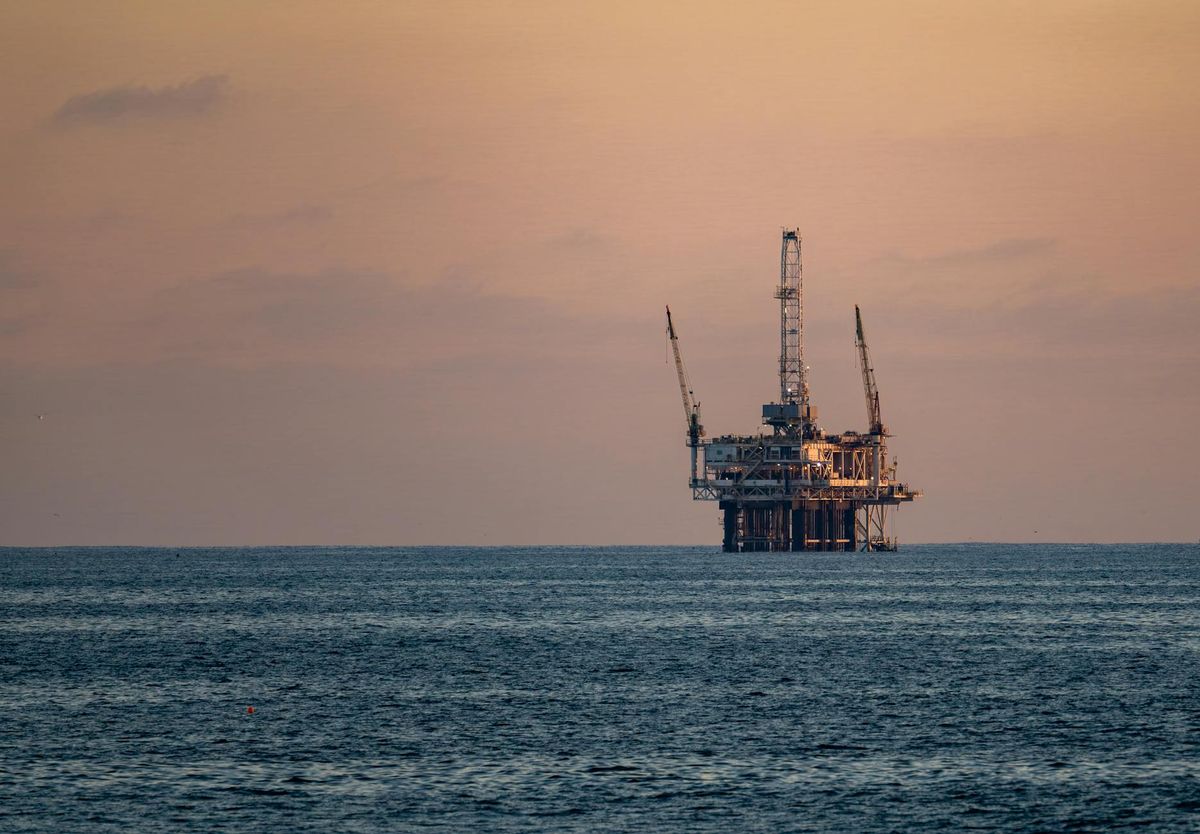
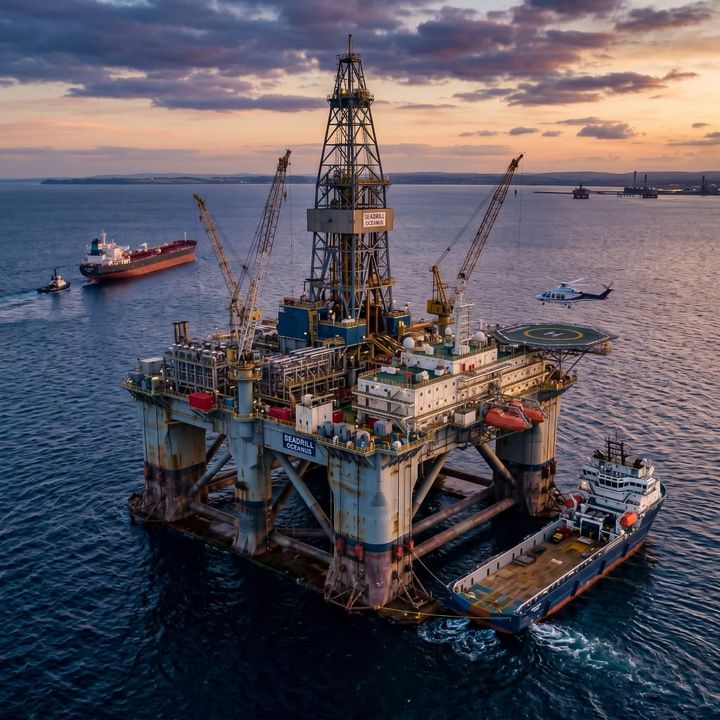
Occidental Petroleum is rarely in the news for exploration wins. Over the past three years, OXY's story has been almost entirely about the CrownRock acquisition, the resulting debt load, and management's relentless focus on balance sheet repair. That changed this week. According to industry sources familiar with OXY's Gulf of America leasehold, the company has confirmed a meaningful hydrocarbon discovery at its Bandit prospect in the Green Canyon protraction area of the deepwater Gulf. For a company that has been drilling far fewer exploratory wells than peers, the timing and location matter. Green Canyon hosts some of the most productive deepwater infrastructure in the basin — neighboring assets include legacy Shell and BP production hubs — and a confirmed discovery there signals OXY is not abandoning its offshore legacy even as Permian Basin operations dominate capital allocation.
According to OXY's public filings and investor communications, the company retains a significant acreage position in the Gulf of America that it inherited through its 2019 Anadarko acquisition. The Bandit prospect sits within that broader portfolio. Details on well depth, estimated resource size, and partners have not been formally disclosed as of publication, but Green Canyon discoveries of meaningful scale typically involve reservoirs in the Miocene and Lower Tertiary sections — the same plays that made the Gulf famous for giant fields.
The Q1 Context
The discovery news arrives the same morning OXY filed an 8-K with the SEC providing Q1 2026 Earnings Considerations — an unusual pre-announcement that signals management wanted to get ahead of market expectations. According to Exhibit 99.1 of that filing, OXY's average realized US oil price for the three months ended March 31, 2026, was $70.31 per barrel, against a WTI index average of $71.93 per barrel. That 97% WTI realization is actually solid, but the headline number tells a story: Q1 commodity prices were materially lower than current spot, as the Iran-Israel conflict and effective closure of the Strait of Hormuz has driven crude sharply higher in recent weeks, well after the quarter closed.
OXY's domestic natural gas realizations were punishing: $1.01 per Mcf, just 26% of the NYMEX average of $3.93 per Mcf. For a company with significant associated gas and Permian exposure, that spread is a meaningful drag. The 8-K also disclosed 1,006.9 million average diluted shares outstanding, which investors should keep in mind when modeling per-share metrics. Taken together, the Q1 picture is one of a company that underwhelmed on realized prices — particularly gas — while the geopolitical price spike came too late in the quarter to help results.
The Strategic Tension
OXY is simultaneously executing three narratives that do not sit neatly together. First, debt reduction remains the stated top priority. According to its March 2026 8-K, OXY executed a debt tender offer with an expanded cap of $1.2 billion — upsized from an initial $700 million — covering five series of senior notes and debentures with maturities ranging from 2029 to 2036. That is aggressive balance sheet management by any measure, and CEO Vicki Hollub has been consistent that debt paydown precedes capital return acceleration.
Second, the Bandit discovery reveals that OXY has not shut down its exploration engine in the Gulf. Deepwater exploration wells are expensive — typically $50 million to $150 million per well — and their presence in the capital program suggests OXY is allocating some discretionary capital to upside optionality rather than directing every dollar toward debt retirement. Whether that is good capital discipline or a sign of management's confidence in free cash flow generation is a legitimate debate.
Third, the geopolitical environment is doing OXY's income statement a favor — but unevenly and with strings attached. According to Rigzone, as of April 10, 2026, the Strait of Hormuz remains effectively shut with US-Iran direct talks just beginning in Pakistan. That supply disruption is supporting crude prices, but Q1 realized prices did not reflect it, and the geopolitical risk premium introduces volatility that complicates long-range financial planning. OXY's debt reduction timeline is sensitive to commodity price assumptions, and a rapid diplomatic resolution could reset crude materially lower.
What Competitors Should Know
A confirmed discovery at Bandit in Green Canyon is not just an OXY story. It is a data point for every company with Gulf of America deepwater exposure. According to the Bureau of Safety and Environmental Enforcement, Green Canyon remains one of the most active protraction areas in the US Gulf, and any significant discovery re-rates the risk/reward calculus for neighboring leases.
For Chevron and ConocoPhillips, both of which maintain active Gulf portfolios, a Bandit confirmation adds evidence that the basin's exploration upside is not exhausted. Chevron's Anchor and Ballymore projects have already demonstrated that high-pressure, high-temperature deepwater can be commercially viable at current prices. According to publicly available lease data, OXY holds multiple Green Canyon blocks in the vicinity of known producing trends. A discovery there could accelerate leasing competition in the next BOEM sale.
The broader read for operators: the Gulf of America is not a maintenance basin. In a $70-plus oil environment — and especially in the current geopolitical context pushing prices higher — deepwater exploration economics can be compelling. Bandit, if it proves out at scale, may encourage peers to revisit exploration budgets that were trimmed post-CrownRock consolidation activity.
CIR Analysis
CIR Analysis: OXY's situation this week is a precise microcosm of where the E&P industry sits right now. Prices look great in the headlines — the Hormuz closure has pushed spot crude to levels that would have been fantasy scenarios two years ago — but Q1 earnings are going to look mediocre, because the spike came after the quarter closed. Management's decision to file an 8-K pre-announcement today suggests they are trying to manage that gap between "current price environment" and "Q1 results," which will look pedestrian at $70 WTI and $1.01 gas realizations.
The Bandit discovery is real and meaningful, but watch the debt story more closely. OXY's debt load from CrownRock remains elevated, and the tender offer math tells you they are still working hard to fix it. At $57.93 per share and a market cap of approximately $57 billion, the stock is pricing in cautious optimism — not a windfall scenario.
Key metrics to monitor: (1) Q1 earnings call guidance on Q2 realized prices — the Hormuz premium should show up; (2) any formal disclosure on Bandit well results, partner structure, or resource estimates; (3) the pace of debt reduction — if OXY can reach its stated net debt target by year-end, the capital return story accelerates significantly.
Disclaimer: This analysis is provided for informational purposes only and does not constitute investment advice. CIR Editorial holds no positions in the securities mentioned. All data sourced from SEC filings, FMP, and publicly available industry sources.