Devon-Coterra Is Closed, Permian Resources Is Investment Grade, and WTI Holds $109

Devon Energy's 8-K landed in EDGAR Thursday afternoon: a two-page Item 2.01 filing confirming the merger with Coterra Energy is done. Coterra shareholders received 0.70 shares of Devon for every share held, and the combined company began trading as a unified entity before Thursday's close. It is now the largest pure-play US upstream operator by Delaware Basin acreage.
That filing is the punctuation mark on a week that already included the shareholder vote (May 4), Devon's Q1 results (May 6), SM Energy's Civitas integration beat Thursday morning, and a 2 p.m. completions read-through showing the new combined entity will reshape wireline and coiled tubing contracting across the Delaware. What Thursday's full picture shows, with the SEC close filing, Permian Resources hitting investment grade, and WTI holding at $109.76, is a cycle that looks nothing like twelve months ago.
The Merger Close: What Day One Actually Means
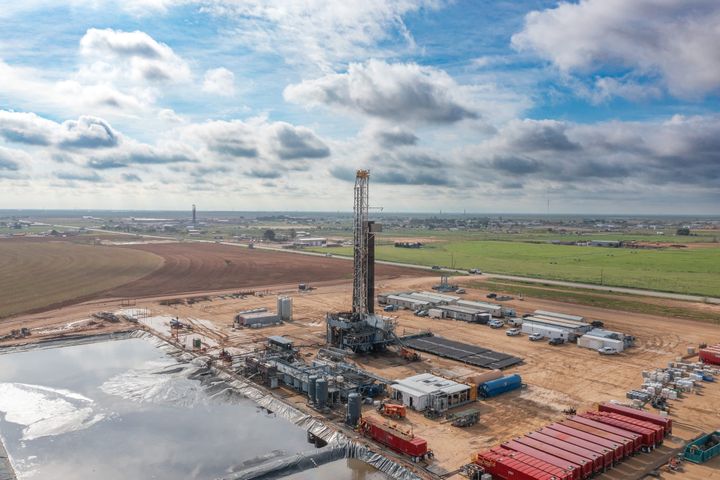
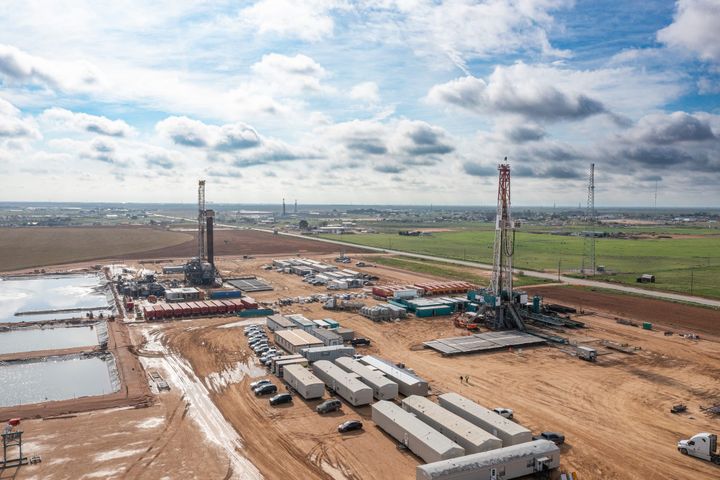
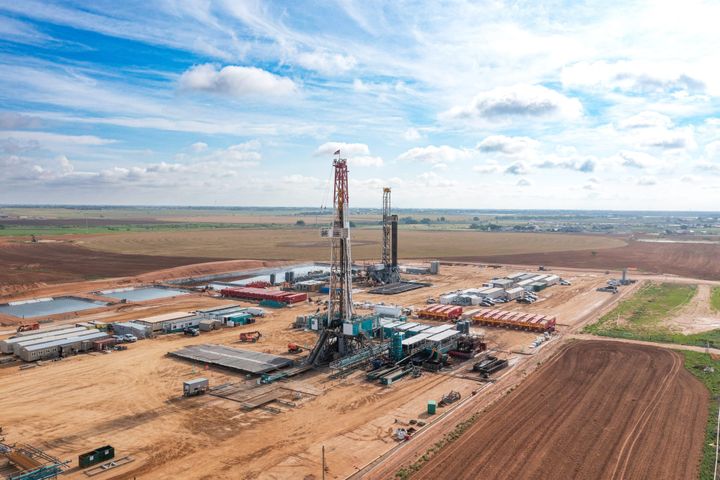
The practical implications of the close will not show up in earnings for at least a quarter. What matters now is the structural shift. Devon and Coterra together control roughly 800,000 boe/d of pro-forma production across the Delaware Basin, Anadarko, and Marcellus. The $1 billion synergy target from Devon's Q1 results depends on consolidating completion crews, renegotiating framework supply agreements, and eliminating duplicated overhead across two former headquarters.
CIR Analysis: The first test of the combined entity is not production. It is procurement. Six Devon completion crews operating alongside Coterra's stack in the Delaware gives the new company enough frac demand to negotiate from genuine pricing power with ProPetro, Liberty, and Patterson-UTI. The contract re-sorting is already in motion. What changed Thursday is that the legal entity doing the negotiating now actually exists.
Permian Resources: Investment Grade Changes the Capital Structure
Permian Resources' Q1 report crossed the investment grade credit threshold with $513 million in free cash flow and net debt below 0.8x EBITDA. Per the Q1 earnings release, cash operating costs came in below $11.00/boe for the second consecutive quarter. At $109.76 WTI, that margin structure generates the kind of free cash flow that changes a company's cost of capital. Investment grade opens the reserve-based lending market at better terms, lowers hedging program costs, and reduces interest burden on future acquisition financing.
CIR Analysis: PR hitting investment grade at $109 WTI signals that Delaware Basin mid-cap independents can now compete on credit quality with the majors, not just on production growth rates. That is a structural shift in how the market will price this cohort going forward.
WTI at $109.76: The Floor Holds
WTI closed May 4 at $109.76 per FRED data. The geopolitical backdrop has not changed. Iran's Hormuz disruption remains intact. The UAE's formal OPEC exit, effective May 1, removed the cartel's most disciplined swing producer from the quota framework, making coordinated supply increases functionally impossible for the next twelve months. Henry Hub closed the week at $2.67/MMBtu, continuing its tight range even as associated gas production from the Permian grows with every new completion crew that starts work in the Delaware.
Devon-Coterra closing at $109 WTI is a fundamentally different deal than it looked when structured in February at $96. The combined entity's lean hedge book generates a significant windfall at current strip prices while the integration timeline plays out, effectively giving the new Devon a free option on commodity price as the $1 billion synergy program executes.
What to Watch Friday
Baker Hughes rig count drops Friday around 1 p.m. CT. The last read had US rigs at 620, with the Permian flat at 308. Given Devon-Coterra's synergy target is cost-driven rather than production-driven, a flat-to-down Permian rig count from the combined entity would confirm the thesis: more scale, same activity, more cash back to shareholders.
Iran headlines remain the primary price catalyst risk. The diplomatic stalemate has not broken in either direction since early March. A de-escalation signal is the one thing capable of breaking WTI below $100 on a sustained basis. Short of that, the floor holds into next week.
Crude Intelligence Report is an independent upstream oil and gas intelligence publication. The content in this article is for informational purposes only and does not constitute investment advice, financial advice, or a recommendation to buy or sell any security. Always conduct your own due diligence before making investment decisions. CIR and its contributors may hold positions in companies mentioned; any such positions will be disclosed when known. © 2026 Crude Intelligence Report. All rights reserved.