WTI Gives Back $10 on the Week: What the Rig Count Says About Operator Conviction at $95
WTI lost nearly $10 on the week as US-Iran signals kept markets off-balance. Baker Hughes data shows operators added 2 oil rigs anyway. CIR reads Friday's numbers.
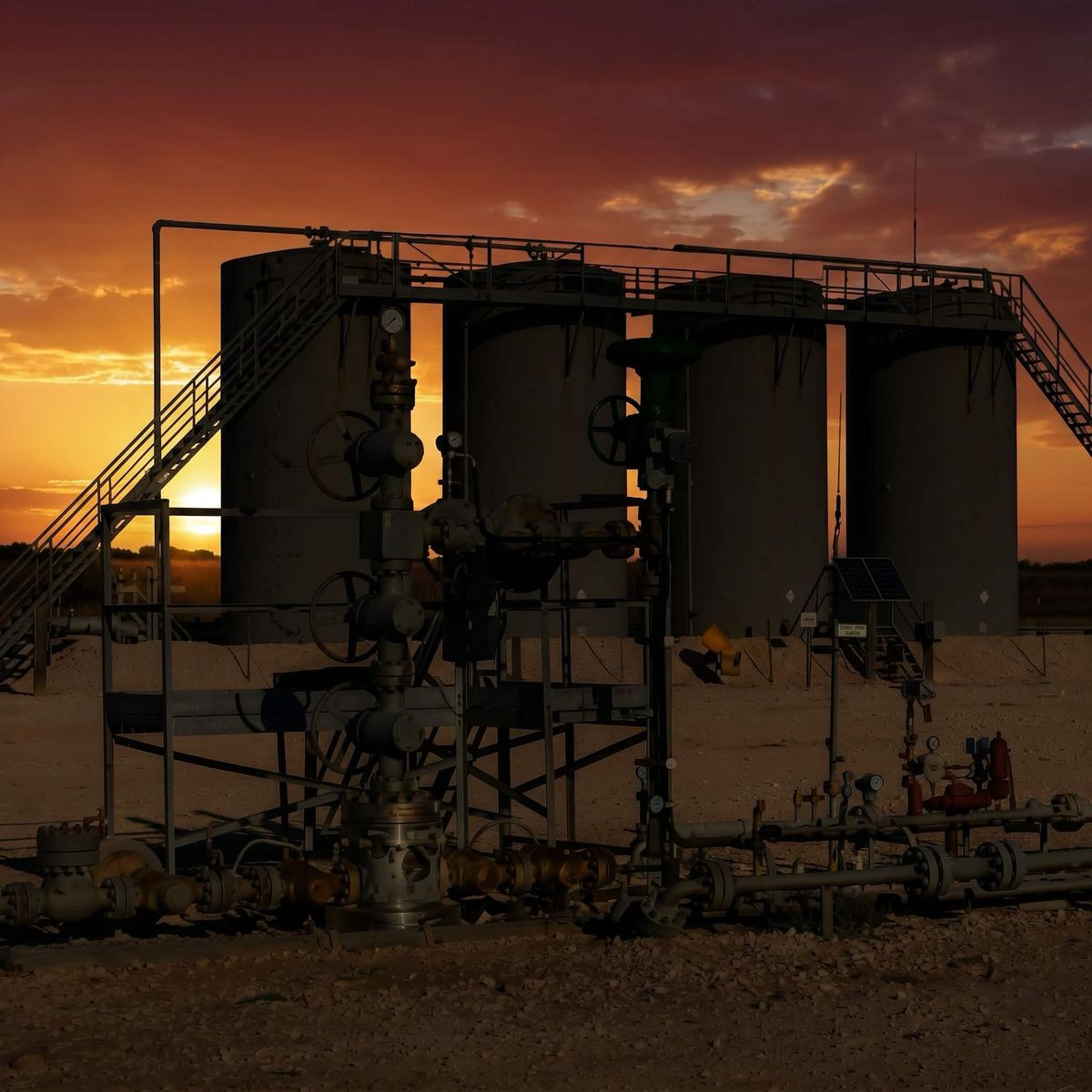
APA Corp | NYSE | Source data: Baker Hughes weekly rig count, May 8, 2026; FRED WTI and Brent daily close series; Yahoo Finance intraday data; OilPrice.com market coverage
WTI ended the week at $95 — down nearly $10 from last Friday's close of $105 — as oil markets spent five days trying to price a US-Iran negotiating table that keeps changing shape. Brent settled around $100, holding a psychological floor for now. The Strait of Hormuz remains disrupted. The confusion is the point.
The Week That Was
The price path this week reads like a market that can't find its equilibrium. Monday opened with WTI at $109 on Devon-Coterra merger news and firm Permian demand signals. By Friday, the same geopolitical premium that drove prices to $110 two weeks ago had been partially unwound — not because Hormuz is open, but because traders couldn't distinguish real diplomatic progress from White House noise.
The specific catalyst for Friday's pressure: conflicting signals from Washington on US-Iran peace talks, layered on top of two fresh incidents in the strait. Iran seized its own tanker — the Ocean Koi, a vessel that had been running Iranian fuel oil to UAE's Fujairah — claiming someone was "exploiting regional conditions." Hours later, news broke that a Chinese-owned tanker had taken damage in the Hormuz crossfire, the first time a Chinese vessel has been hit in the conflict. That's a significant escalation risk that markets haven't fully priced.
CIR Analysis: The seizure of a Chinese tanker is a material development. Beijing has been a quiet bystander to the US-Iran conflict, keeping its Hormuz-routed crude supply chains intact through sanctions workarounds. A Chinese vessel in the crossfire changes Beijing's political calculus and could push China toward active mediation — or harden its crude sourcing posture toward US barrels. Either outcome has upstream implications.
The Rig Count Doesn't Care
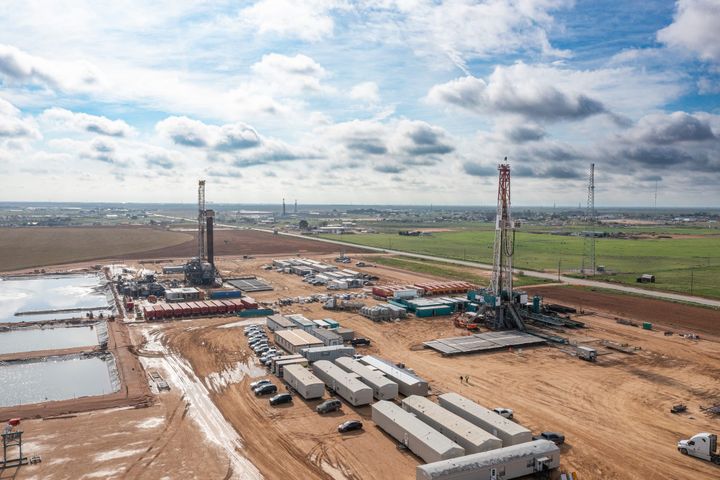
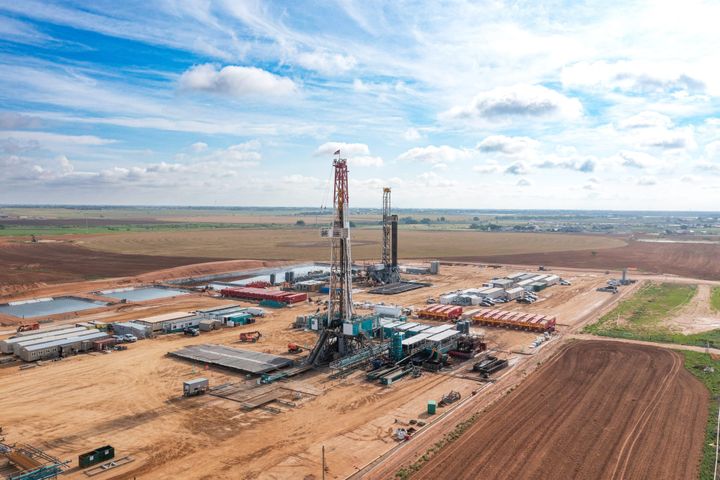
Here's what makes Friday's Baker Hughes numbers interesting: operators didn't blink. US oil rigs rose 2 to 410 for the week ending May 8. The Permian added 1 rig, reaching 242. Eagle Ford held flat at 43. Total US rig count came in at 548, off 30 year-over-year.
The frac spread count told the same story. Primary Vision tracked 174 active completion crews for the week ending May 1 — up 5 week-over-week. Operators are still fracking wells at a firm pace.
CIR Analysis: The divergence between WTI's $10 weekly slide and operators' continued rig additions signals that field-level capital allocation is insulated from near-term price noise in a way the futures market is not. At $95 WTI, Permian tier-1 inventory is still economic. The operators adding rigs this week are working off strip prices two to three years out, not this Friday's close. That's what healthy capital discipline looks like — at $109 everyone was adding, at $95 only the well-capitalized are still drilling.
Production Holds, Gas Ignores the Drama
EIA weekly data shows US crude production averaged 13.573 MMbbl/d through May 1 — 289,000 bpd below the all-time high but stable. Production hasn't meaningfully responded to the price volatility in either direction, consistent with the thesis that US shale is less sensitive to individual week price swings than it was in 2014-2016.
Henry Hub closed out the week at $2.75/MMBtu, essentially flat week-over-week. The gas market is trading on its own fundamentals: LNG export demand, storage injection season underway, power sector switching dynamics. Hormuz doesn't move Henry Hub the way it moves WTI, and that's worth remembering when reading the gas side of the market this weekend.
What To Watch
- Any concrete movement in US-Iran negotiations next week — a framework agreement would push WTI back toward $100+; a breakdown sends it lower
- Whether the Chinese tanker incident prompts official Beijing diplomatic engagement
- Permian rig count trajectory — at 242, still 43 below year-ago levels; watch for stabilization vs. further erosion as price uncertainty settles
- Natural gas storage injection season is underway — next EIA storage report will indicate whether the $2.75 HH floor holds into summer
WTI will spend the weekend somewhere around $95. The geopolitical premium isn't gone — Hormuz is still disrupted — but it's been partially unwound by confusion. That's the Friday market close operators are pricing into heading into next week.
Crude Intelligence Report is an independent upstream oil and gas intelligence publication. The content in this article is for informational purposes only and does not constitute investment advice, financial advice, or a recommendation to buy or sell any security. Always conduct your own due diligence before making investment decisions. CIR and its contributors may hold positions in companies mentioned; any such positions will be disclosed when known. © 2026 Crude Intelligence Report. All rights reserved.
This article contains forward-looking statements and analytical opinions. Actual results may differ materially.