The China Signal: Why Thursday's $86 WTI Has Nothing to Do With Hormuz
WTI closed at $86.34 Thursday, down 5.4% in a single session. The driver is not Hormuz — it's China's structural demand erosion, now confirmed by Sinopec sales data, record EV adoption, and collapsing crude imports.
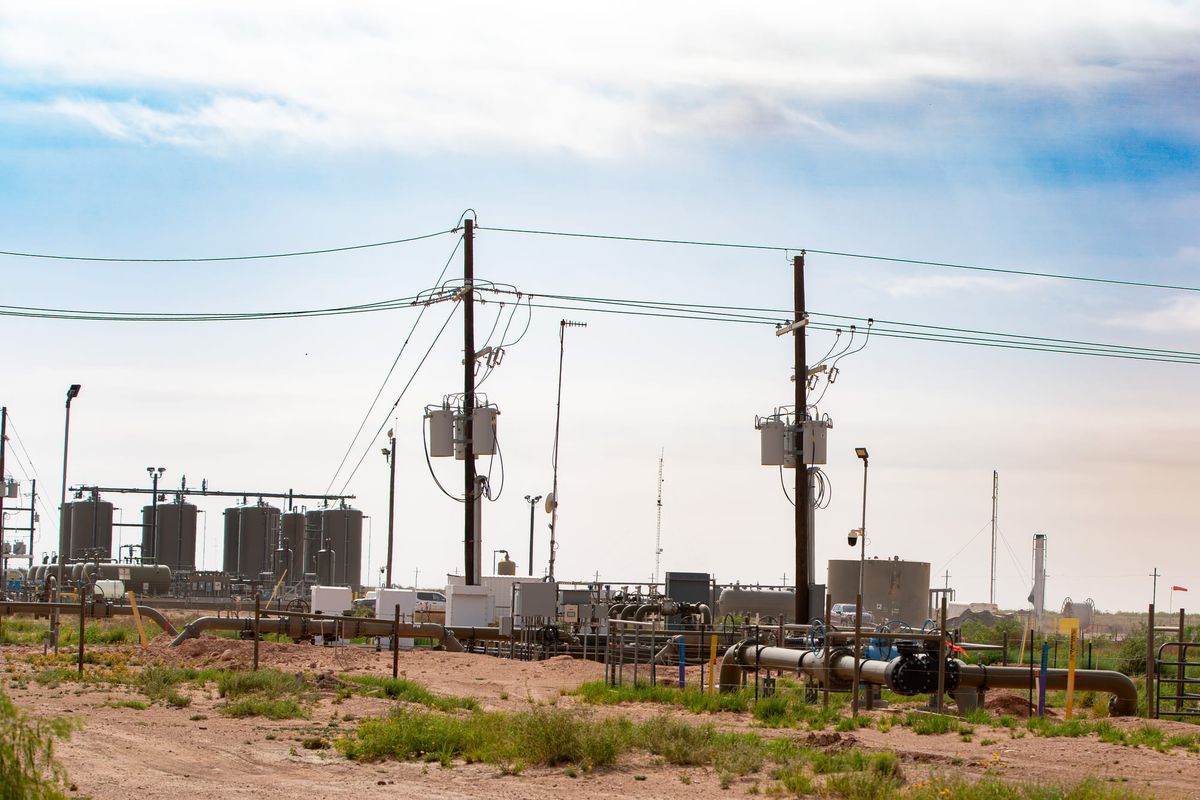
Prices as of 3:45pm CT, June 11, 2026. Source data: Yahoo Finance live futures, OPEC June Monthly Oil Market Report, Reuters wire reports, EIA commercial inventory data.
WTI finished Thursday at $86.34 per barrel, down $4.96 — a 5.4% single-session decline that puts crude at its lowest close since late May. Brent settled near $89.05. Henry Hub slipped to $3.077/MMBtu, off $0.07 on the session.
This is not an OPEC story. And it is not a Hormuz story. The driver today was China, and what China is now signaling to the market is something structurally different from the geopolitical noise that dominated the prior three months.
China's Demand Is Bending
Gasoline sales at Sinopec, China's largest refiner and fuel retailer, fell 8% year over year in April. Diesel dropped 6%. Goldman Sachs estimates total gasoline and related product consumption may have fallen as much as 20%. Chinese crude imports plunged 29% in May to 7.8 million barrels per day — the lowest reading in eight years.
The initial read on those numbers was supply-side: Hormuz disruptions made crude harder to source, and China's large strategic reserve cushion reduced near-term import urgency. That read is now being revised. A second explanation is gaining traction among analysts: China is using less fuel because structural demand is declining. EVs have reached mass-market scale. Rail ridership rose roughly 10% in March and April. EV charging volumes surged 69% year over year in April to a record high. The property downturn has compressed diesel demand from construction activity, one of China's most durable consumption pillars.
CIR Analysis: If China's demand softness is only partially a supply-side artifact of Hormuz disruption, the market has been pricing the wrong variable. A geopolitical premium fades when the guns go quiet. A structural demand contraction does not.
OPEC's Counter-Narrative
OPEC released its June Monthly Oil Market Report Thursday, and the group is not backing down from its bullish framing. The report pegs global demand growth at 1.0 million bpd for 2026, with demand for OPEC+ crude at 42.5 million bpd this year and 43.5 million bpd in 2027. OECD commercial stocks fell 48.4 million barrels in April and remain below historical averages.
Non-OPEC+ supply growth is projected at 600,000 bpd this year, with Brazil, the United States, Canada, and Argentina doing most of the work. OPEC production from Declaration of Cooperation members averaged 33.13 million bpd in May, down 190,000 bpd from April.
The OPEC report and today's price action are telling different stories. OPEC is looking at aggregate fundamentals — inventory draws, demand projections, constrained supply growth — and seeing tightness. The market today looked at China import data and demand readings and saw the dominant consuming nation losing its appetite for oil precisely when prices were high enough to accelerate EV adoption.
CIR Analysis: Both can be partially right. OPEC's inventory-draw thesis holds for now. But the China structural-demand story, if it persists into H2 2026, poses the most credible long-term threat to the bull case for crude. Physical tightness from Hormuz disruption is a temporary premium. Permanent demand destruction from China's electrification curve is a different category of risk entirely.
The Hormuz Side Channel
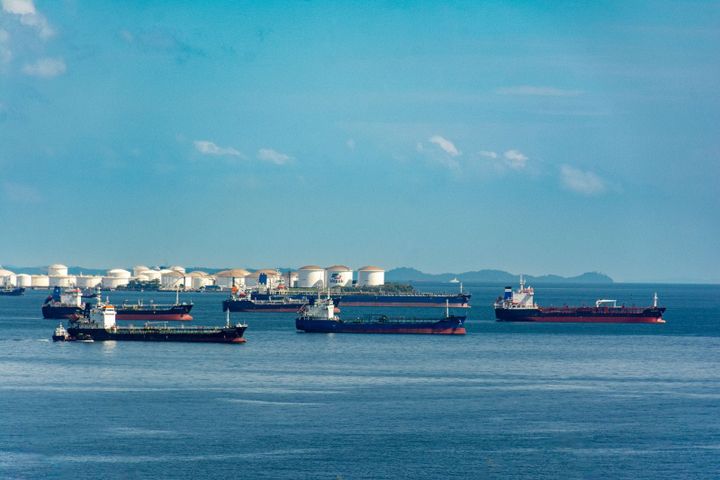
In the background Thursday, India flagged a second tanker incident off Oman within 24 hours — a vessel, MT Jalveer, reported a fire near Shinas, Oman. The UK Maritime Trade Operations (UKMTO) confirmed a report of an incident 21 nautical miles northeast of Sohar. Three Indian seafarers were killed in a separate U.S. strike on another vessel earlier in the week. The Hormuz corridor remains active and hazardous.
On any other Thursday, those incidents would drive oil up $2. Today, WTI fell $5. That says something about how quickly the market's risk pricing framework can shift when demand expectations move.
What Friday's Open Depends On
Tomorrow's price action will depend heavily on whether China's demand data sees follow-up commentary from Beijing or from refiners. Sinopec guidance for Q2, if released, will matter. Any signal of a return to higher crude imports would provide a floor. Confirmation that demand erosion is structural and ongoing would put $85 WTI back on the table quickly.
For US upstream operators, the arithmetic is uncomfortable. WTI at $86.34 is still inside most Permian break-even ranges, and the strip is not yet at a level that forces capital program revisions. But the pace of the decline — from $91 at the start of the week to $86 at the close — is the kind of move that triggers early conversations about H2 activity. The completions sector in particular, still negotiating H2 contract repricing with operators, is watching the calendar and the strip simultaneously.
The next market catalyst of note is the Baker Hughes rig count tomorrow at 1pm CT. Any signal of early activity softening in the Permian would add another data point to an already bearish afternoon close.
Crude Intelligence Report is an independent upstream oil and gas intelligence publication. The content in this article is for informational purposes only and does not constitute investment advice, financial advice, or a recommendation to buy or sell any security. Always conduct your own due diligence before making investment decisions. CIR and its contributors may hold positions in companies mentioned; any such positions will be disclosed when known. © 2026 Crude Intelligence Report. All rights reserved.
This article contains forward-looking statements and analytical opinions. Actual results may differ materially.