The Utica Shale: Ohio's Oil Window Emerges
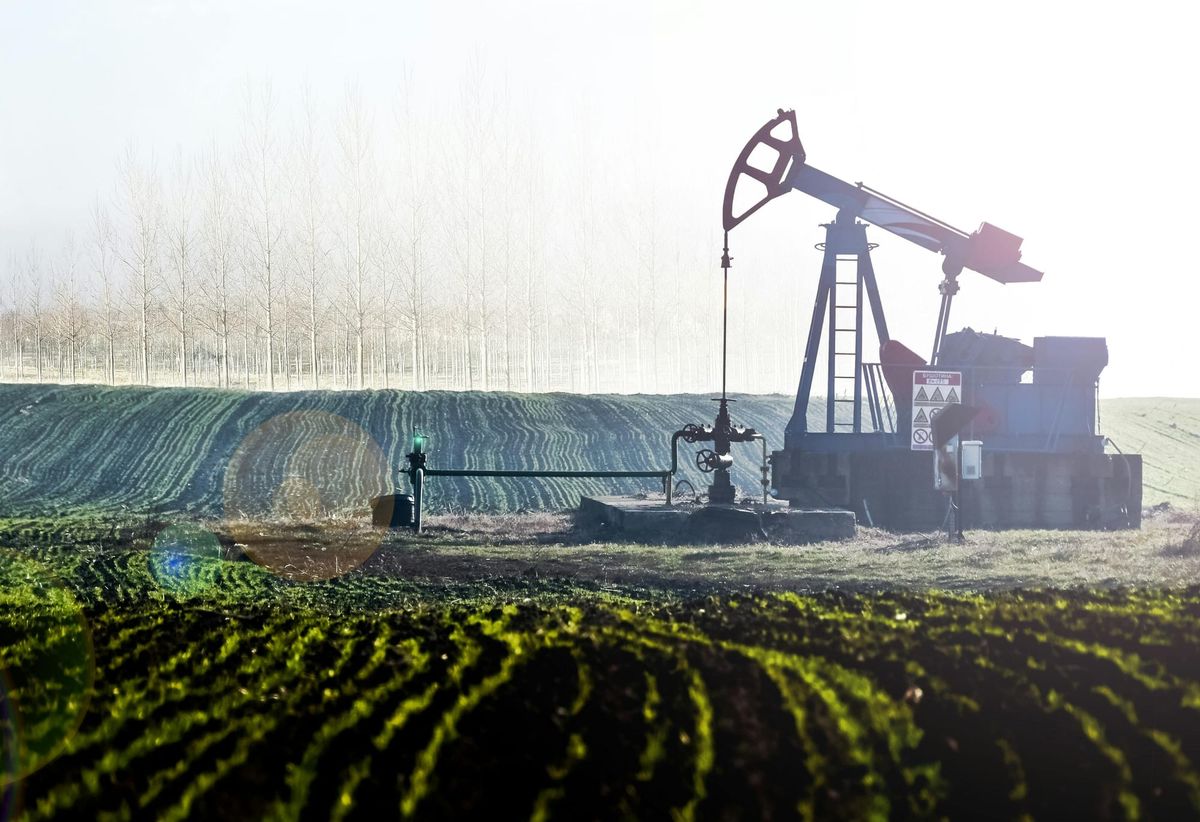
For most of the past decade, the Utica Shale has played second fiddle to its Appalachian neighbor, the Marcellus. The Marcellus — spanning Pennsylvania, West Virginia, and parts of New York and Ohio — established itself as the world's most productive natural gas basin, generating 35+ Bcf/d at its peak and driving the sustained surplus that has kept Henry Hub prices depressed. The Utica, sitting deeper in the stratigraphic section and historically associated with dry gas production in eastern Ohio and West Virginia, was an afterthought.
That characterization is now overdue for revision. A quiet but significant development is unfolding in the Utica's western Ohio counties — Guernsey, Noble, Monroe, and Morgan — where operators have discovered an oil window that produces liquids-rich hydrocarbons fundamentally different from the dry gas associated with the basin's eastern fairway. This is the Utica's emerging oil story, and it deserves serious attention from upstream analysts.
Geology and the Oil Window
The Utica Shale is a Ordovician-age formation deposited approximately 450–460 million years ago across much of the Appalachian Basin. In eastern Ohio, West Virginia, and Pennsylvania, the formation is thermally mature — cooked deep enough to have converted organic matter to gas. Move westward and shallower, however, and the thermal maturity drops into the oil window: the sweet spot where kerogen has cracked to liquid hydrocarbons rather than gas.
The western Ohio oil window occupies roughly 2–3 million acres in a band spanning from the Pennsylvania border westward toward Columbus. API gravity of produced oil runs in the 42–45 degree range — light, sweet crude that commands premium pricing relative to regional benchmarks. Gas-oil ratios in the best parts of the oil window are 500–800 cubic feet per barrel, meaning wells produce meaningful associated gas volumes that contribute to economics without requiring the producer to navigate the Appalachian gas markets.
The Pioneer Wells
Eclipse Resources (later acquired by Montage Resources, subsequently absorbed by EQT) drilled some of the earliest long-lateral Utica oil wells in Guernsey County as far back as 2018–2019. Those wells, while promising, were drilled with shorter laterals and less optimized completion designs. The results were encouraging but not the kind of numbers that attract institutional capital at scale.
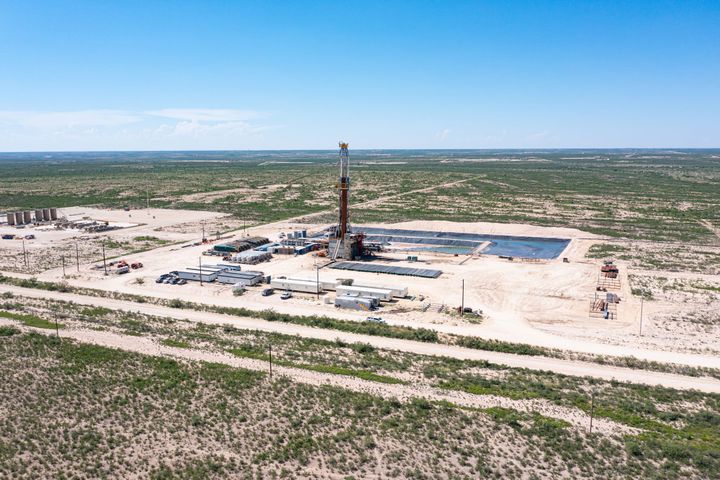
The more recent generation of Utica oil wells — drilled with 3-mile laterals and high-intensity completions using 2,500–3,000 pounds per foot of proppant — has produced dramatically improved results. Public well data from Ohio's Department of Natural Resources shows wells in Noble and Guernsey counties with 30-day initial production rates of 1,200–1,800 barrels of oil equivalent per day, with oil cuts in the 60–70% range. These are Permian Delaware Basin-competitive numbers in an Ohio address.
Infinity Natural Resources, a privately held operator focused on the Utica oil window, has been among the most active drillers in the play and has published type curve data suggesting 1.5-mile equivalent ultimate recoveries of 700,000–900,000 BOE per well, with breakeven prices in the low-to-mid $50s WTI. At current prices, these wells are generating returns competitive with second-tier Permian inventory.
Infrastructure: Building from Scratch
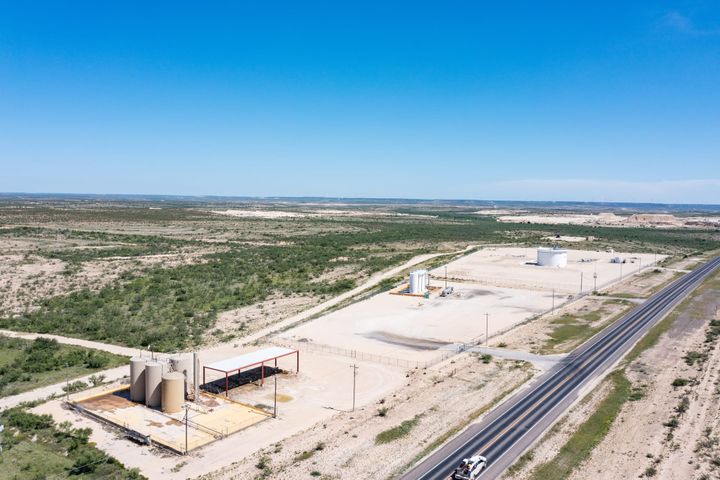
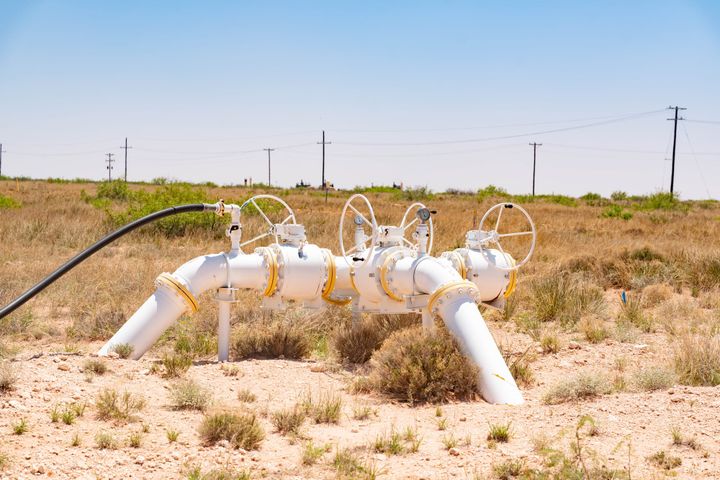
The Utica oil window's central challenge is infrastructure. Unlike the Permian Basin with its dense network of pipelines, gathering systems, and processing plants, or even the Marcellus with its mature midstream infrastructure, the western Ohio oil fairway is effectively greenfield territory. Oil gathering, water disposal, and gas gathering must be built to support development at scale.
This infrastructure gap is simultaneously an opportunity and a barrier. Operators who move early to secure midstream commitments — or who own their gathering infrastructure — can establish cost advantages over later entrants. But the capital required to build out an oil gathering and water disposal system from scratch is substantial, and in a lower-price environment, operators and midstream companies are cautious about over-building ahead of production.
Kinder Morgan and MPLX have both explored gathering opportunities in the Utica oil window. The play's proximity to Midwest refining markets — Marathon Petroleum's Canton, Ohio refinery and various Indiana and Illinois refineries — provides a natural crude outlet that doesn't require Permian-scale long-haul pipeline solutions.
Who's Drilling
Beyond Infinity Natural Resources, a handful of operators have established positions in the Utica oil window. Encino Energy, backed by Canada Pension Plan Investment Board, has been the most aggressive acquirer, assembling a significant acreage position in eastern Ohio that spans both the traditional gas window and portions of the oil window. The company has signaled its intent to develop the oil window but has kept most details private.
Ascent Resources, another large privately held Appalachian operator, controls acreage that overlaps with portions of the oil window but has historically focused its capital on the dry gas Utica in eastern Ohio and West Virginia. A shift toward oil window development would represent a meaningful strategic pivot.
For the public markets, the most direct exposure comes through EQT Corporation, which acquired much of the historical Utica operator base through its acquisitions of Chevron's Appalachian assets and the Montage Resources deal. EQT has not been an active Utica oil window driller, but its acreage footprint gives it optionality that analysts should track.
The Long View
The Utica oil window is not going to supplant the Permian Basin in the near term. The acreage is more geologically variable, infrastructure is nascent, and the operator base is dominated by private companies that aren't beholden to quarterly earnings cycles. But the play's combination of oil-window economics, proximity to Midwest markets, and large unexplored footprint makes it one of the more intriguing emerging plays in the domestic upstream landscape.
For investors and analysts, the play to watch is Infinity Natural Resources' expected public market debut — a listing that would provide the first pure-play Utica oil window investment vehicle and force the market to put a price on the resource's value. That event, likely within the next 12–18 months, will be the Utica oil window's coming-out party.
Crude Intelligence Report is an independent upstream oil and gas intelligence publication. Content is for informational purposes only and does not constitute investment advice, financial advice, or a recommendation to buy or sell any security. Always conduct your own due diligence before making investment decisions. The author and publisher hold no positions in any companies mentioned in this article. © 2026 Crude Intelligence Report. All rights reserved.