Natural Gas: The Recovery That Almost Wasn't
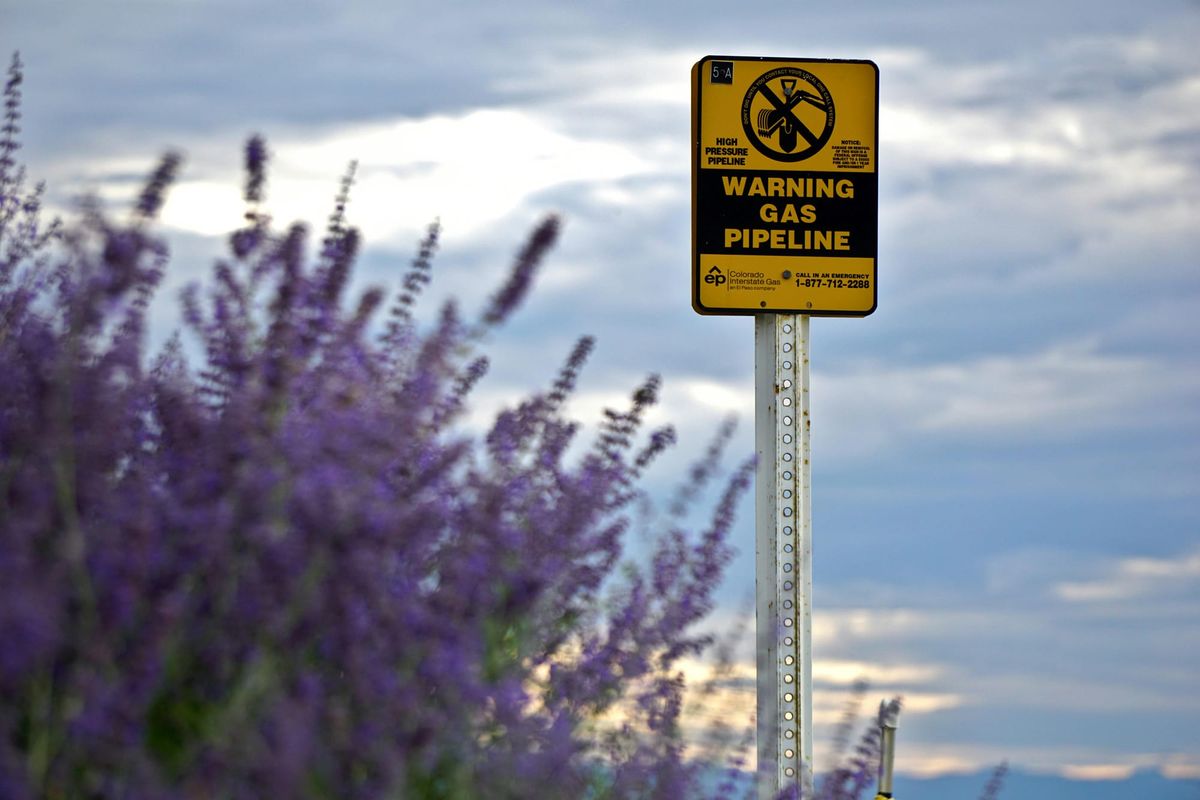
Henry Hub hit $7.72/MMBtu in January 2026. By February, it was back at $3.62. That 53% move in 30 days tells you everything you need to know about the 2026 natural gas market: volatile, weather-dependent, and not yet structurally healed. The recovery that U.S. gas producers have been waiting for since 2023 arrived — and then left — in about 45 days.
How We Got Here
The natural gas story of 2023-2025 was relentless supply pressure meeting a demand base that couldn't absorb it. Appalachian production kept growing despite sub-$2 prices; operators with infrastructure commitments and low-cost structures kept flowing. Haynesville curtailments were more real but still episodic. The market spent most of 2024 and 2025 range-bound between $1.80 and $3.50, grinding through any price recovery with production responses that capped upside.
The break came from demand, not supply. LNG export capacity expansion — Sabine Pass Train 7, Golden Pass early operations, and Calcasieu Pass running at improving utilization — added structural demand that wasn't there in 2022-2023. By Q3 2025, U.S. LNG feedgas demand was averaging 13-14 Bcf/d, up from roughly 11 Bcf/d a year earlier. That 2-3 Bcf/d increment is meaningful against a total marketed gas supply of 105-108 Bcf/d.
Then January arrived with a prolonged cold pattern across the eastern half of the country. Heating demand exceeded the five-year average by 20-25%. Storage draws were severe. For a brief, glorious window, the supply-demand balance flipped hard.
The January Spike: Real Signal or Weather Noise?
$7.72/MMBtu in January 2026 was the highest Henry Hub print since the February 2021 cold snap that produced the Texas grid crisis. Traders who had been short natural gas from the prior range got squeezed. Gas-weighted operators — EQT, Chesapeake's successor entities, CNX, Coterra's Marcellus assets — saw their hedge books come to life and their spot realizations surge.
The February pullback to $3.62 was inevitable. Cold snaps end. Storage deficits moderate. Supply from Haynesville and Appalachian operators that had been partially curtailed began flowing back. The structural supply overhang didn't disappear during one cold month.
The honest read: January 2026 was weather noise amplified by a genuinely tighter structural balance. The market is closer to price equilibrium than it was in 2024. Sub-$2 prices required a sustained supply response (curtailments and drilling reductions) that is finally visible in the data. But $7+ gas requires conditions that aren't repeatable on demand.
Haynesville: Holding the LNG Line
At 55 active rigs, Haynesville is the clearest expression of the LNG demand thesis. The basin runs gas at high pressure and high productivity rates — wells here routinely achieve 25-30 MMcf/d IP rates — and feeds directly into the Gulf Coast LNG corridor. Operators like Comstock Resources, Expand Energy (formerly Chesapeake), and private operators backed by major energy PE firms have been disciplined about capacity relative to LNG contracts.
The 55-rig count is not a growth signal; it's a maintenance signal. Haynesville's steep decline curves mean that holding production flat requires ongoing drilling. New LNG capacity additions in 2026-2027 will pull for incremental Haynesville volumes, but the basin is unlikely to see a rig surge before additional LNG terminals reach FID and contracts are signed.
Appalachian Operators: Cautious Optimism
EQT, CNX, Range Resources, and Antero have spent the past 18 months in financial self-preservation mode — cutting costs, renegotiating service contracts, optimizing well designs for efficiency. The January spike vindicated their patience. For operators with long-dated hedges placed in the $3.50-$4.50 range, the Q1 2026 cash flow picture is better than it's been in two years.
But Appalachian growth is hostage to takeaway. Mountain Valley Pipeline is full. Permian Express and the other egress lines that would move gas into Mid-Atlantic and Southeast markets don't have sufficient incremental capacity. Any meaningful Appalachian production growth in 2026-2027 requires either new pipe or LNG feed arrangements — and neither is coming fast.
Where Prices Go From Here
The structural gas market in 2026 supports $3.00-$4.50 Henry Hub on a sustained basis — a significant improvement from the $1.80-$2.80 range that defined most of 2024-2025. LNG exports are the demand anchor. Storage management at responsible levels prevents the inventory gluts that killed prices before.
The upside risk is repeated weather events or LNG utilization surprises. The downside risk is an Appalachian production comeback if operators react too aggressively to better prices. Gas markets have a habit of healing just enough to plant the seeds of the next oversupply. Watch rig count responses carefully through Q2 — the gas recovery stays healthy only if discipline holds.
Crude Intelligence Report is an independent upstream oil and gas intelligence publication. Content is for informational purposes only and does not constitute investment advice, financial advice, or a recommendation to buy or sell any security. Always conduct your own due diligence before making investment decisions. The author and publisher hold no positions in any companies mentioned in this article. © 2026 Crude Intelligence Report. All rights reserved.