Iraq Threatens OPEC Exit as WTI Breaks $70: Thursday's Supply Math Just Changed
WTI broke below $70 overnight as Iraq threatened to quit OPEC over production quotas, Qatar restored LNG output, and the floor debate that defined June gets answered.
WTI crossed below $70 per barrel overnight landing at $69.61 this morning — extending the selloff that began above $75 last week as a combination of supply-side pressure and demand uncertainty reset the floor debate that has defined US upstream positioning since June. With Iraq now threatening to quit OPEC if the cartel blocks Baghdad's push to expand its export quota, the OPEC+ unity framework that held prices above $75 through May is starting to crack — and the market is pricing that crack in real time.
The speed of the move matters. WTI closed at $78.94 as recently as Monday (per FRED data). A near-$10 drop in three sessions isn't a drift — it's a repricing event. Operators running sub-$75 capital programs are now inside their own stress tests.
WTI: $69.61/bbl | Brent: $73.03/bbl | Henry Hub: $3.333/MMBtu | Waha: ~$2.65/MMBtu (est.)
Live spot as of 5:30am CT. Brent-WTI spread: $3.42/bbl. Waha basis estimated at -$0.70 vs HH.
Iraqi government sources told local outlet Shafaq overnight that Baghdad is weighing OPEC departure if the organization blocks Iraq's push to increase its production quota. The framing matters: Iraq argues it incurred production and revenue losses during the Hormuz disruption period and wants to compensate with higher output going forward. If Baghdad follows through — or even credibly threatens to — the quota discipline that's held OPEC+ supply restrained since 2022 faces its most serious challenge since the UAE's departure earlier this year. Iraq is OPEC's second-largest producer. An exit or quota breach would add material barrels to a market already working through post-Hormuz supply normalization.
The head of the Gas Exporting Countries Forum told the Reuters Global Energy Forum on Wednesday that natural gas markets are on track to rebalance in Q3 as Hormuz reopens. Qatar inked a crude deal with a Taiwanese refiner and is separately offering gasoline cargoes, according to reports citing trading sources — the first signs of recovering Gulf oil trade post-ceasefire. For US gas producers, the near-term read is bearish: Qatar LNG returning to market removes the supply tightness that pushed Henry Hub above $3.30. CIR Analysis: The Q3 LNG rebalancing thesis assumes Hormuz stays open. Iraq's OPEC exit signal introduces new supply volatility that doesn't come with a convenient geopolitical narrative — it's structural quota breakdown, not headline risk.
President Trump publicly named ExxonMobil, Chevron, Shell, and BP as companies he holds responsible for gasoline prices remaining above $2.25/gallon despite WTI's decline. A federal price-gouging probe is underway. The practical near-term impact on E&P operations is minimal — retail gas prices are a refining/marketing margin story, not an upstream one — but the political backdrop matters for permitting, export approvals, and any RBL or capital markets dialogue that references government relations risk. For CIR's operator audience: this is noise unless it escalates into formal enforcement or export restrictions.
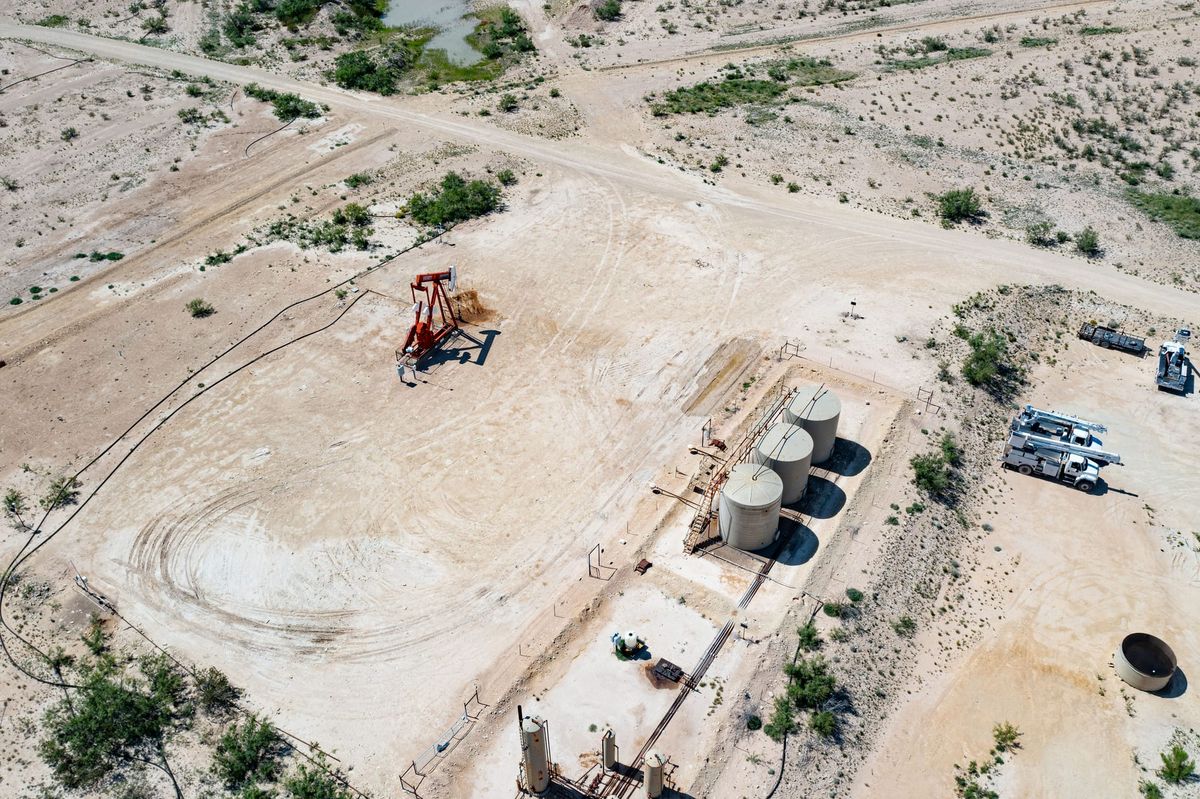
WTI at $69.61 puts it below the marginal cost break-even for significant portions of the Permian's secondary zones and essentially all of the Anadarko and mid-continent activity. The Bakken is running on thin margins. Most Eagle Ford operators planned 2026 capital programs at $70–$75 assumed price — meaning today's open is live stress-testing those plans. The practical question isn't whether operators cut rigs today (they won't, the announcement lag is 30–60 days), it's whether the fall redetermination cycle at major banks rolls price decks below $70 as the assumed medium-term case. If lenders price-deck down to $65–$68, borrowing base math changes materially for leveraged mid-caps.
CIR Analysis: Two weeks ago, $72 WTI felt like a temporary disruption. $69.61 at the open on a Thursday morning — with Iraq threatening to flood the market and Qatar LNG coming back online — looks more like the new range's lower bound getting tested. Operators who hedged above $75 look smart. Those who ran unhedged or light on derivatives exposure are now making very different capex decisions.
CIR Analysis published: Shell at $70 WTI: What the Integrated Model Absorbs, and What It Doesn't — full article available to paid subscribers.
CIR Analysis published: Weatherford's H2 Recovery Thesis Just Lost Its Price Deck (WFRD) — full article available to paid subscribers.
Crude Intelligence Report is an independent upstream oil and gas intelligence publication. The content in this article is for informational purposes only and does not constitute investment advice, financial advice, or a recommendation to buy or sell any security. Always conduct your own due diligence before making investment decisions. CIR and its contributors may hold positions in companies mentioned; any such positions will be disclosed when known. © 2026 Crude Intelligence Report. All rights reserved.
This article contains forward-looking statements and analytical opinions. Actual results may differ materially.