Hormuz Opens a Lane for China, Waha Goes Negative: Thursday's Two-Sided Market

The Trump-Xi summit produced something oil traders have been waiting weeks for: a direct US-China agreement that the Strait of Hormuz must remain open for all shipping. By Thursday afternoon, Iranian state media confirmed it — around 30 Chinese vessels were cleared for Hormuz transit in coordination with Iran's IRGC naval forces. A Chinese supertanker carrying 2 million barrels of Iraqi crude had passed Wednesday, the first of its kind since the conflict began.
The market's reaction was measured. WTI added less than $1 to trade near $102.10, Brent held at $106.55. That's not skepticism — it's sophistication. Traders understand that 30 Chinese vessels through Hormuz under IRGC escort is not the same as Hormuz reopening. Iran's IRGC framed it as a "new era" requiring coordination with their naval forces, not a return to free navigation. The tollbooth is open; it is still a tollbooth.
What the Chinese Passage Means for Atlantic Basin Supply
If Chinese tankers can reliably clear Hormuz — even on IRGC terms — Middle Eastern crude starts flowing to Beijing again instead of bidding up Atlantic Basin alternatives. The past several weeks have seen Chinese refiners paying a premium for Brazilian, West African, and US crude to avoid Hormuz risk. That substitution trade has been a quiet support for WTI. When it unwinds, the floor gets softer.
CIR Analysis: The diplomatic development is bearish on the margin, but only at the edges. IRGC coordination protocol does not equal free navigation. Until Washington and Tehran reach their own arrangement — or Iran extends similar terms to non-Chinese flag vessels — the geopolitical premium stays largely intact. Expect those 30 ships to clear before anything changes for VLCC operators flying other flags.
Canada added a secondary note Thursday. The Canadian federal government is reportedly reconsidering privatization of Trans Mountain, potentially keeping the 890,000 bbl/d pipeline state-owned as appetite for Canadian heavy crude surges to fill the void left by disrupted Middle Eastern barrels. A state-owned Trans Mountain is a different commercial proposition for shippers — but the pipeline is full and moving barrels either way. For US refiners running Canadian heavy, the political structure matters less than the throughput.
The Permian Paradox: -$9.60 and Counting
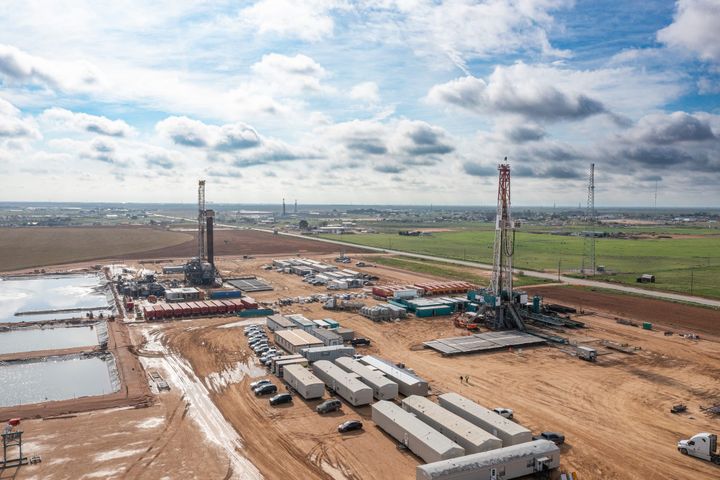
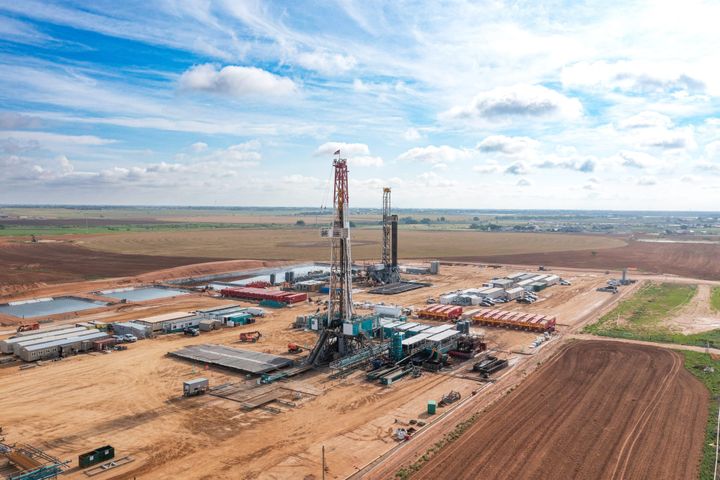
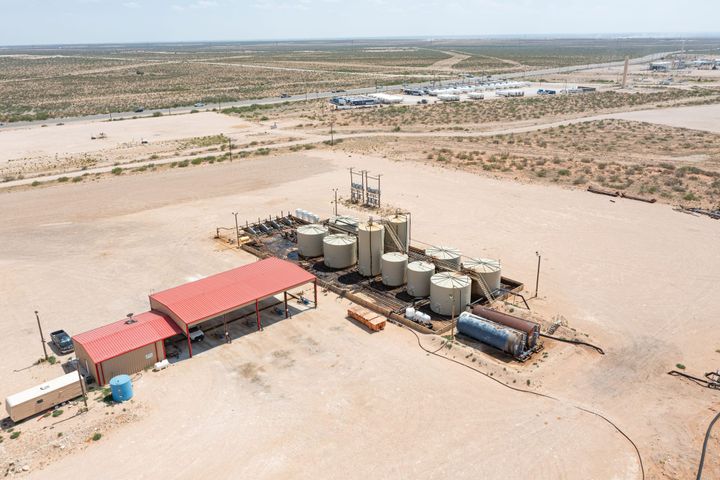
While Europe rationed gas and Asia scrambled for LNG cargoes, the Permian Basin hit an all-time low Waha price of -$9.60/MMBtu on April 24. Producers are paying buyers to haul gas away. Henry Hub was near $2.92 Thursday — but Waha was deeply negative, a spread that tells you everything about midstream infrastructure limits in West Texas.
Diamondback Energy said on its Q1 earnings call that management is "consciously moving away from Waha" and repositioning gas exposure toward markets near population centers, LNG export facilities, and planned data centers. That's not a hedge — that's a structural asset strategy rewrite. When one of the Permian's most capital-efficient operators is restructuring its gas sales book to avoid its home hub, the problem isn't seasonal or temporary.
CIR Analysis: Negative Waha pricing is a structural bottleneck, not just a flaring story. Matterhorn Express is running, but at $102 WTI, associated gas volumes keep rising faster than takeaway capacity expands. Operators who built inventory strategies around WTI economics are now carrying a gas liability that erodes per-BOE realization. For oilfield services investors, the implication is a demand ceiling for Permian frac and wireline crews that the headline rig count doesn't capture — completion activity will run at whatever rate operators can manage their gas marketing, not purely at what WTI says they can afford.
What to Watch Into Friday
Three things will validate or unwind Thursday's muted price action. First, whether US Navy policy toward Hormuz shifts following the Chinese carve-out — any signal of Washington-Tehran coordination on shipping would be structurally bearish. Second, the India-Russia oil waiver deadline on May 16: if Treasury grants another extension, Indian refiners keep Russian crude flowing and Atlantic Basin demand eases further. Third, Friday's Baker Hughes rig count will show whether the Permian completions strength signaled by KLX and Forum this week is translating into maintained rig demand, or whether negative gas realizations are beginning to constrain operator activity.
WTI at $102 with Brent at $107 is a market in holding pattern. The Hormuz supply shock is evolving, not resolving — and the Permian gas situation is a reminder that even in the best commodity environment upstream operators have seen in years, the plumbing still runs the business.
Crude Intelligence Report is an independent upstream oil and gas intelligence publication. The content in this article is for informational purposes only and does not constitute investment advice, financial advice, or a recommendation to buy or sell any security. Always conduct your own due diligence before making investment decisions. CIR and its contributors may hold positions in companies mentioned; any such positions will be disclosed when known. © 2026 Crude Intelligence Report. All rights reserved.
This article contains forward-looking statements and analytical opinions. Actual results may differ materially.