CIR Basin Scorecard: Q1 2026 Update
Each quarter, CIR publishes a clean basin-by-basin reference update using Baker Hughes rig count data and EIA production figures. This is the Q1 2026 edition. Use it as a snapshot and a baseline for tracking Q2 2026 changes.
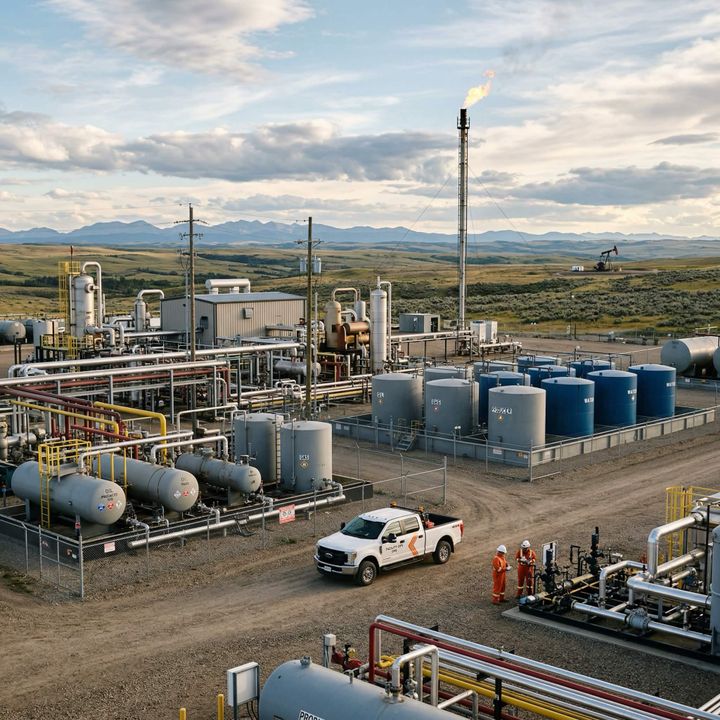
🛢️ Permian Basin — 241 Rigs
Production context: Texas output at 5,570 Mbbl/d (EIA Jan 2026), predominantly Permian. Basin-level production estimated at 6.0-6.2 MMbbl/d including New Mexico Delaware volumes.
What we're watching: Post-Endeavor Diamondback execution, Matterhorn Pipeline impact on Waha basis, and produced water disposal capacity in the southern Delaware.
CIR Takeaway: The Permian runs 44% of total U.S. rigs and accounts for roughly 45% of total U.S. production. That concentration is a structural feature, not a bug — no other basin combines inventory depth, infrastructure, and operator quality at this scale. The consolidation wave has made the Permian more efficient, not less active. At 241 rigs through Q1, the basin is neither overheated nor contracting. This is the productive middle ground the sector needs.
🔥 Haynesville — 55 Rigs
Production context: Haynesville produces approximately 15-16 Bcf/d of dry gas. The basin is the highest-rate gas play in the U.S. on a per-well basis.
What we're watching: LNG offtake contract signings, Golden Pass and Plaquemines LNG commissioning timelines, and Comstock/Expand Energy rig pace.
CIR Takeaway: At 55 rigs, Haynesville is running at maintenance mode — enough activity to replace decline but not enough to grow materially. That discipline is appropriate given the post-January price pullback to $3.62. The long-term Haynesville thesis (LNG demand pull, geographic advantage, world-class rock) remains intact. The 55-rig floor suggests operators believe it too. Next leg up: when LNG contracts supporting new capacity additions are signed and drilling-to-commit economics improve.
⚡ Eagle Ford — 42 Rigs
Production context: Eagle Ford produces approximately 1.1-1.2 MMbbl/d of crude plus significant NGL and gas volumes from the gassier western portions.
What we're watching: Austin Chalk development results from operators testing the formation above the traditional Eagle Ford target, and how Devon-Coterra's combined Eagle Ford position affects development pace.
CIR Takeaway: Eagle Ford is the steady-state basin of the U.S. upstream. No explosive growth, no alarming decline — just consistent production from well-understood geology with improving multi-zone economics. At 42 rigs, it's running below the efficiency breakeven for flat production, meaning the basin is slowly declining at the aggregate level. The interesting storyline for 2026 is whether the Austin Chalk revival, which has delivered compelling wells in Karnes County, adds genuine inventory depth to a play that the market treats as mature.
🏔️ Bakken/Williston — 30 Rigs
Production context: North Dakota crude production approximately 1.1 MMbbl/d. The Three Forks and Middle Bakken remain the primary targets, with spacing optimization limiting incremental drilling locations in core areas.
What we're watching: Continental Resources' private drilling pace (Continental went private in 2022 and doesn't report publicly), Chord Energy's well performance, and North Dakota pipeline export economics versus Bakken Blend differentials.
CIR Takeaway: Thirty rigs in the Bakken is not a basin in crisis — it's a basin that has been rationalized. The 2021-2024 period of high activity demonstrated diminishing returns in the fringe areas; what's left is core Nesson Anticline drilling by operators who know exactly what they're buying. Production holding at ~1.1 MMbbl/d despite the lower rig count is the efficiency story. The Bakken won't lead the next cycle. It doesn't need to — it just needs to generate FCF at $65+ WTI, which it does.
🌲 Marcellus/Utica — 25 Rigs
Production context: Appalachian gas production (Marcellus + Utica combined) at approximately 34-36 Bcf/d, making the region the most prolific gas-producing area in the world per square mile.
What we're watching: EQT's post-Equitrans infrastructure integration, new pipeline FERC applications for Northeast takeaway capacity, and whether the January $7.72 gas spike triggers any rig additions through Q2.
CIR Takeaway: Twenty-five rigs in Appalachia is operationally complex to interpret because the rigs running today are dramatically more productive than those running five years ago. A 3-mile Utica gas well in Wetzel County, WV can deliver 25+ MMcf/d — that's a lot of gas per rig-month. The basin's constraint is takeaway, and Mountain Valley Pipeline's completion provided relief but not resolution. The January price spike is unlikely to trigger significant drilling additions because the infrastructure to move incremental gas doesn't exist. Appalachia is range-bound at 25-35 rigs until the next pipe is built. Don't hold your breath on the regulatory timeline.
Summary Table: Q1 2026
| Basin | Rigs | Production | Trend |
|---|---|---|---|
| Permian | 241 | ~6.1 MMbbl/d | Stable ✅ |
| Haynesville | 55 | ~15.5 Bcf/d | Stable ✅ |
| Eagle Ford | 42 | ~1.1 MMbbl/d | Slow decline ⬇️ |
| Bakken | 30 | ~1.1 MMbbl/d | Stable ✅ |
| Marcellus/Utica | 25 | ~35 Bcf/d | Stable/constrained ⚠️ |
| U.S. Total | 543 | ~13.2 MMbbl/d | Moderate growth ⬆️ |
Sources: Baker Hughes rig count (March 27, 2026); EIA petroleum production data (January 2026); EIA natural gas data. Next scorecard: Q2 2026 edition, late June.
Crude Intelligence Report is an independent upstream oil and gas intelligence publication. Content is for informational purposes only and does not constitute investment advice, financial advice, or a recommendation to buy or sell any security. Always conduct your own due diligence before making investment decisions. The author and publisher hold no positions in any companies mentioned in this article. © 2026 Crude Intelligence Report. All rights reserved.