CIR Afternoon Update — April 21, 2026
WTI slides 4.7% to $90.22 as Hormuz shipping halts to near-zero; Rosneft and Tuapse refineries offline; demand-destruction fears dominate despite acute supply disruptions.
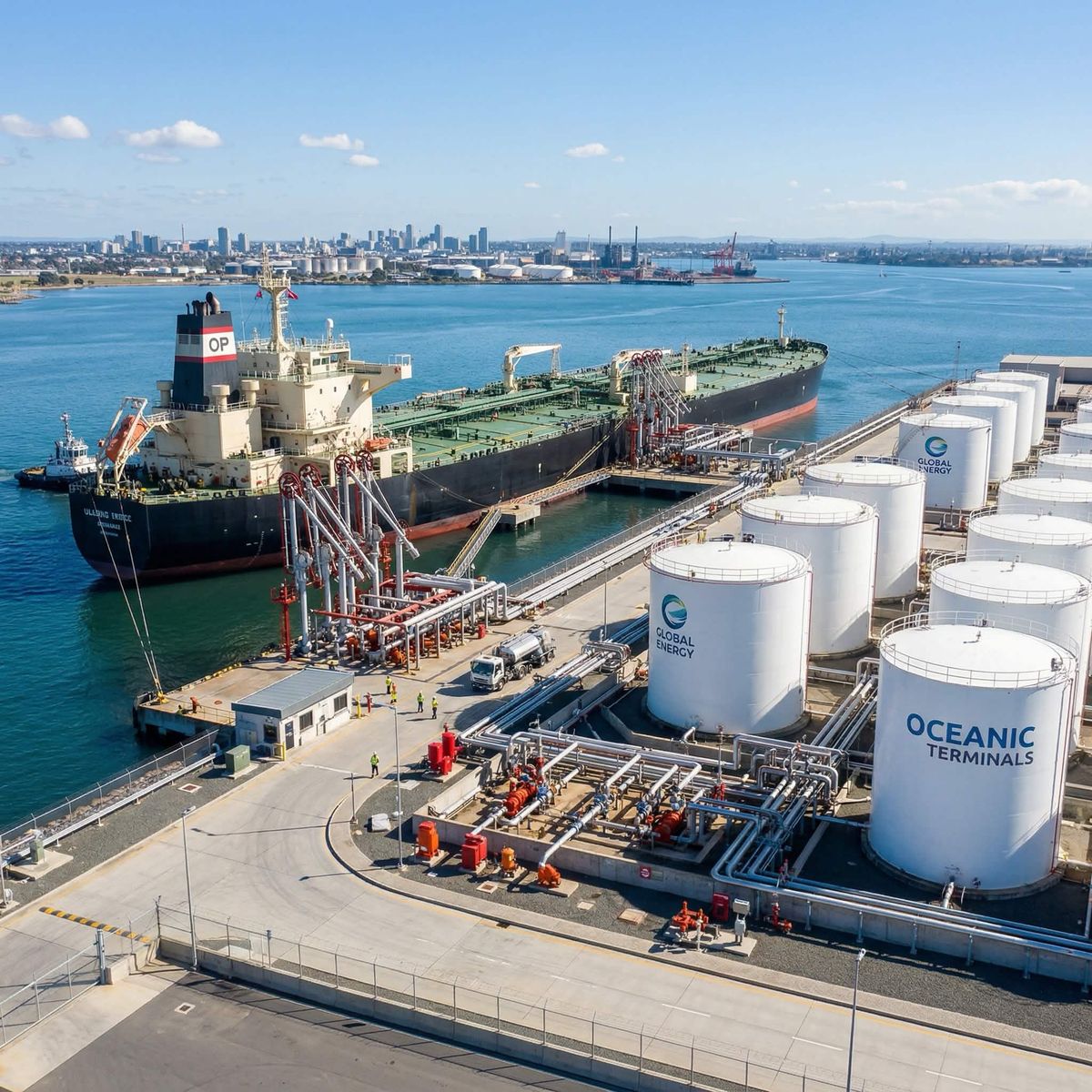
West Texas Intermediate crude tumbled to $90.22/bbl on Tuesday afternoon — a decline of $4.47 (-4.7%) from Monday's close of $94.69 — as cascading geopolitical signals and a dramatic tightening of Strait of Hormuz traffic rattled energy markets heading into late April.
Brent crude tracked lower in parallel, settling near $93.86/bbl (down from $95.48), while Henry Hub natural gas held relatively steady at $2.71/MMBtu as broader macro pressure remained focused on crude benchmarks. According to FRED (Federal Reserve Economic Data), WTI had been trading at $100.72 as recently as April 13, making this week's pullback a ~$10 correction in under two weeks.
Hormuz Choke: Shipping Effectively Halted
According to Reuters, only three vessels transited the Strait of Hormuz in the 24-hour period ending Tuesday — a near-complete halt to shipping through one of the world's most critical crude corridors. The waterway typically handles approximately 20% of global oil supply. Japan's Prime Minister Takaichi and Mexico's President Sheinbaum spoke Tuesday and agreed to deepen energy cooperation as both nations assess exposure to the Iran conflict's impact on supply chains, per Reuters.
Russian Refinery Disruptions Add Supply-Side Complexity
Two separate Russian refinery outages emerged Tuesday. According to Reuters, primary oil processing at Rosneft's Novokuibyshevsk refinery has been halted since April 18 following a Ukrainian drone strike, while the Tuapse export-oriented refinery also went offline after a separate drone attack on April 16. Together, these outages reduce Russian product export capacity — a marginal supply-tightness factor that in a different macro environment would be bullish for prices.
CIR Analysis: Demand Fear Overpowering Supply Shock
CIR Analysis: Tuesday's price action reveals a market more focused on demand destruction than physical supply disruption. Despite Hormuz near-shutdown and Russian refinery outages — events that should theoretically support prices — WTI broke below $91. Moody's noted Tuesday that a prolonged energy supply disruption threatens India's trade deficit and fiscal position, and similar demand-erosion concerns appear to be weighing on crude across Asia. The $90 handle on WTI represents a significant psychological level. Watch Thursday's EIA weekly storage report: any crude build against this geopolitical backdrop would confirm bearish momentum.
CIR is independent O&G intelligence for informational purposes only. Not investment advice. No positions held. © 2026 Crude Intelligence Report.