
Waha Hub: The Permian Gas Pricing Problem
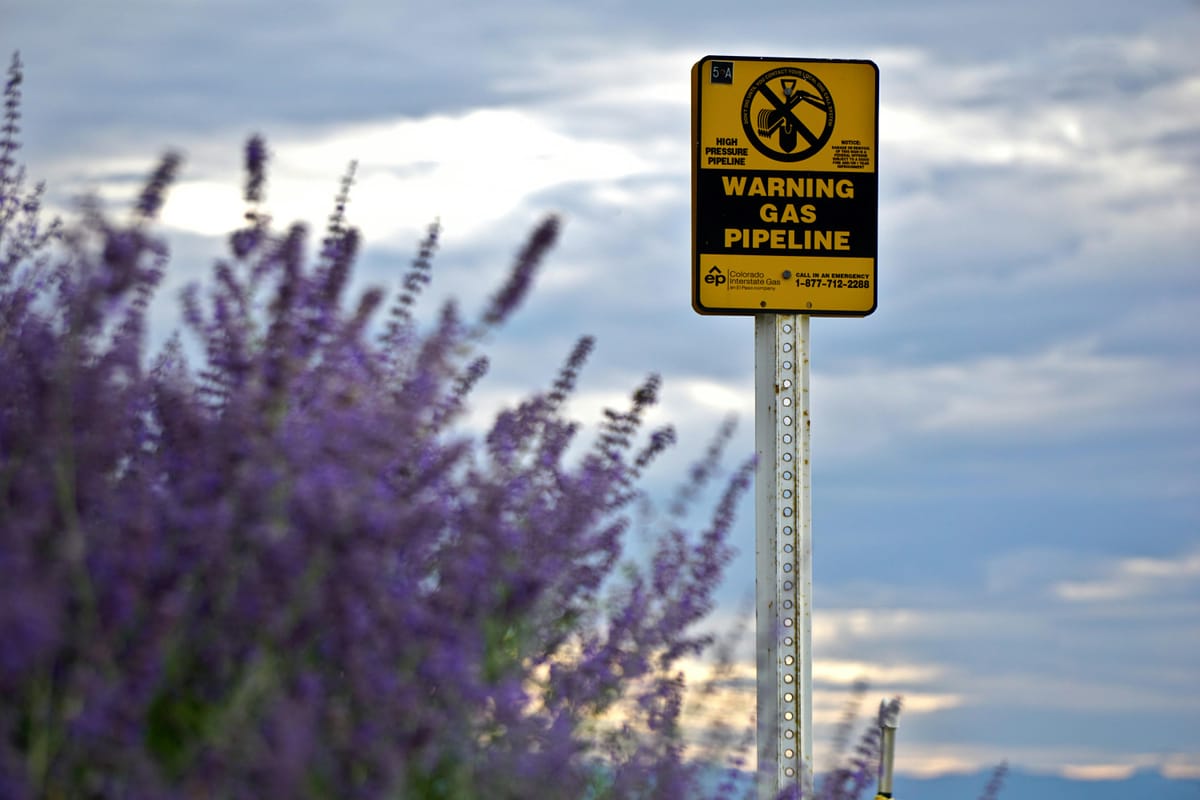
The Waha Hub in West Texas became infamous in 2024 for something that sounded absurd until you understood the mechanics: natural gas prices went deeply negative. On multiple occasions throughout 2024, Waha spot prices fell below zero — meaning producers were effectively paying to have their gas taken away. By early 2025, the situation had improved but remained structurally problematic, with Waha trading at discounts of $0.50–$1.50/MMBtu to Henry Hub on most days and occasionally spiking to severe negative territory during periods of pipeline congestion.
Understanding Waha is understanding one of the most consequential but underappreciated dynamics in U.S. upstream.
Why Waha Exists as a Problem
The Permian Basin produces oil. Natural gas comes out with it — approximately 22–23 Bcf/d of associated gas as of mid-2025, a number that has grown in direct proportion to oil production growth. Unlike in the Appalachian Basin, where operators specifically target gas and manage production economics to gas prices, Permian operators are primarily optimizing for oil returns. The gas is, in economic terms, a byproduct.
This creates a structural imbalance: as long as oil economics justify drilling, gas volumes grow regardless of what gas prices are doing. And until recently, there wasn't enough takeaway capacity to move all that gas out of the Permian to higher-value markets. The result was gas accumulating at Waha faster than pipeline capacity could absorb it, driving prices down — sometimes dramatically.
The Matterhorn Express: A Partial Fix
The Matterhorn Express Pipeline — a 580-mile, 2.5 Bcf/d capacity line running from the Permian Basin to the Katy Hub near Houston — came online in late 2024. This was the most significant addition to Permian gas takeaway infrastructure in years, and the impact was immediate: Waha prices improved meaningfully in Q4 2024 and Q1 2025 compared to the 2024 nadir.
But Matterhorn alone didn't solve the problem. Permian gas production continues to grow with oil output. The midstream infrastructure, while improved, is still running near capacity during high-production periods. The chronic basis blowouts of 2024 have moderated but not disappeared. Waha still traded to significant discounts in multiple months of H1 2025, and negative price episodes — while less frequent — still occurred during maintenance outages on major pipelines.
The Operator Economics
For oil-focused Permian operators, Waha basis matters differently depending on gas-to-oil ratios and whether operators have firm transport commitments.
Operators with large Wolfcamp and Spraberry positions — think ExxonMobil (Pioneer legacy), Diamondback, and ConocoPhillips — generate associated gas volumes that can be significant in absolute terms even if they're small relative to oil revenue. A $1/MMBtu discount at Waha versus Henry Hub translates to real dollars at scale: a 500 MMcf/d producer loses $500,000 per day in revenue for every dollar of Waha discount. Over a quarter, persistent $1 discounts cost that producer ~$45 million.
Operators who secured firm transport on Matterhorn or other Gulf Coast-bound pipes are largely insulated from spot Waha volatility. Those who didn't — typically smaller operators and those with legacy midstream contracts — continue to bear the basis risk.
Flaring: The Other Dimension
When gas prices go negative and operators lack the ability to move gas, flaring becomes the safety valve. Texas Railroad Commission flaring data showed elevated Permian flaring rates throughout 2023–2024, drawing regulatory scrutiny and ESG pressure from institutional investors. Operators including Pioneer (pre-merger) and Diamondback both committed to flaring reduction targets.
The tension is fundamental: you can't tell an oil-producing well to produce less gas. You can flare it (increasingly scrutinized), re-inject it (capital-intensive), or move it (requires infrastructure). The infrastructure buildout through Matterhorn and additional gathering system expansions is the long-term solution, but it takes years to construct and requires capital commitments made years ahead of when the capacity is actually needed.
What Fixes This Permanently
The structural fix for Waha comes from three directions simultaneously:
First, additional takeaway pipeline capacity. Several proposed projects — including extensions to Gulf Coast LNG-adjacent markets — are in various stages of permitting and construction. Incremental capacity of 2–4 Bcf/d is expected to come online through 2026, gradually absorbing production growth.
Second, Gulf Coast LNG demand growth. As Corpus Christi, Sabine Pass, and Venture Global's Plaquemines facility ramp up exports, incremental gas demand from Gulf Coast markets tightens the overall pipeline system — improving Waha basis as downstream demand pulls molecules out of the system more efficiently.
Third, eventual Permian production growth deceleration. At some point, Permian drilling returns won't justify aggressive activity, and associated gas growth will slow. That point is years away at current economics, but it's the natural market cure.
The Bottom Line
Waha Hub pricing remains a real economic headwind for Permian producers without firm transport, a flaring risk for those without adequate gathering, and a constraint on the gas-side economics of the basin's continued growth. The 2024 negative price episodes were an extreme version of a chronic problem; the 2025 improvement is real but fragile. Anyone modeling Permian cash flows should be stress-testing Waha basis assumptions — not assuming Henry Hub parity.