The Permian in Q1 2026: Still Running Hot
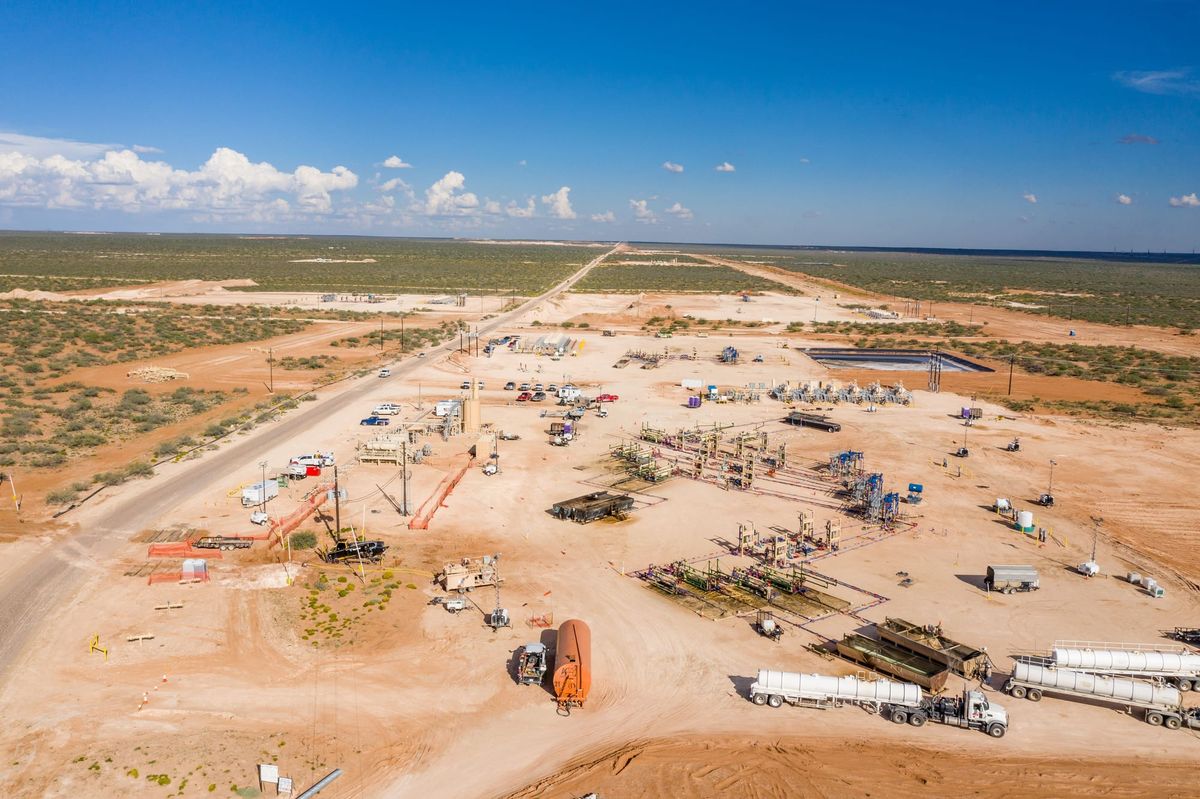
The Permian Basin runs 241 rigs as of the Baker Hughes March 27 count — 44% of all U.S. land drilling activity, concentrated in an area the size of Kansas. That concentration reflects something real: the Permian has a structural advantage in depth of inventory, infrastructure density, and operator quality that no other basin in North America can replicate. Q1 2026 confirms that advantage is widening, not narrowing.
241 Rigs: What That Number Means
Two hundred and forty-one active rigs in a single basin would have been the total U.S. count in the early 2010s. Today, each of those rigs represents a higher-specification drilling unit — most are walking rigs capable of drilling multi-well pads without rigging down, typically running 3-5 mile laterals at sustained drilling rates that would have been exceptional five years ago. The productivity multiplier is real.
Midland Basin carries roughly 130-135 of those rigs; Delaware Basin accounts for the balance. The Midland is dominated by the post-Pioneer ExxonMobil operation and Diamondback's rapidly integrated Endeavor acreage. The Delaware is more dispersed: ConocoPhillips (post-CrownRock), Permian Resources, Matador, Coterra, and a long tail of private operators.
Diamondback Post-Endeavor: Scale in Action
Diamondback closed the Endeavor acquisition mid-2024 and spent the balance of 2024 integrating. Q1 2026 is the first quarter where the combined entity is fully operating under unified management systems, combined vendor contracts, and rationalized acreage development plans. The early read is positive: per-BOE operating costs are tracking toward the synergy targets, and the combined Midland Basin position — roughly 1 million net acres across core Midland — gives FANG a multi-decade inventory runway at current pace.
Production guidance for the combined entity implies roughly 470,000-480,000 BOE/d for 2026 full year. Q1 will tell us how the integration is holding up under the operational demands of running a business twice the size it was 18 months ago.
Water Management: The Binding Constraint
The Permian's best-known infrastructure constraint is produced water disposal. The basin produces approximately 15 barrels of water for every barrel of oil — at 5.5+ MMbbl/d of oil production, that's a staggering water handling challenge. Disposal well capacity has been the binding constraint on activity in some sub-basins, particularly in the southern Delaware.
Recent developments are positive. New disposal capacity came online in Reeves and Ward counties through Q4 2025. Several operators have invested in water recycling programs that reduce freshwater demand for completions while simultaneously cutting disposal volumes. The regulatory environment in Texas has been supportive of new disposal well permitting, in contrast to New Mexico's more cautious approach.
The residual risk is seismicity — any significant seismic event linked to disposal wells in the populated areas east of Midland would trigger an immediate regulatory response. This is a low-probability, high-impact risk that every Permian operator carries in their operations risk register.
Waha Basis: Improving but Not Fixed
Waha Hub natural gas pricing has been the Permian's chronic headache. At times in 2024-2025, Waha traded at negative prices — operators were essentially paying to get gas off their hands because takeaway capacity was insufficient. That picture is materially better in Q1 2026. The Matterhorn Express Pipeline (2.5 Bcf/d capacity) entered service in late 2025, adding the most significant incremental Permian gas takeaway since Whistler.
Waha is currently trading at a modest negative to slight discount versus Henry Hub — still a basis issue, but manageable. For operators, gas realization has improved from a drag to a neutral. The next step-change in takeaway won't come until the proposed Blackcomb Pipeline moves toward FID and a 2027-2028 service date.
Forward Look
The Permian in Q2-Q4 2026 faces two primary risks: oil price weakness below $65 (which would trigger rig count cuts and the first material inventory deferral since 2020) and unexpected water disposal constraints from either regulatory or seismic events. The base case is 235-250 rigs running through the year, production maintained near 6 MMbbl/d for the basin, and a continued slow reduction in finding and development costs as the post-merger integration efficiencies compound.
The Permian doesn't need a bull market to thrive. It needs a stable one. That's what it's getting.
Crude Intelligence Report is an independent upstream oil and gas intelligence publication. Content is for informational purposes only and does not constitute investment advice, financial advice, or a recommendation to buy or sell any security. Always conduct your own due diligence before making investment decisions. The author and publisher hold no positions in any companies mentioned in this article. © 2026 Crude Intelligence Report. All rights reserved.