
Oxy's Bandit Discovery: Green Canyon's Infrastructure Map and What It Means for GoA Deepwater
Oxy's Bandit well at Green Canyon Block 680 confirmed full-to-base Miocene oil with a clear tie-back pathway. CIR maps the acreage, models the economics, and explains why this discovery is different from the ones that don't get built.
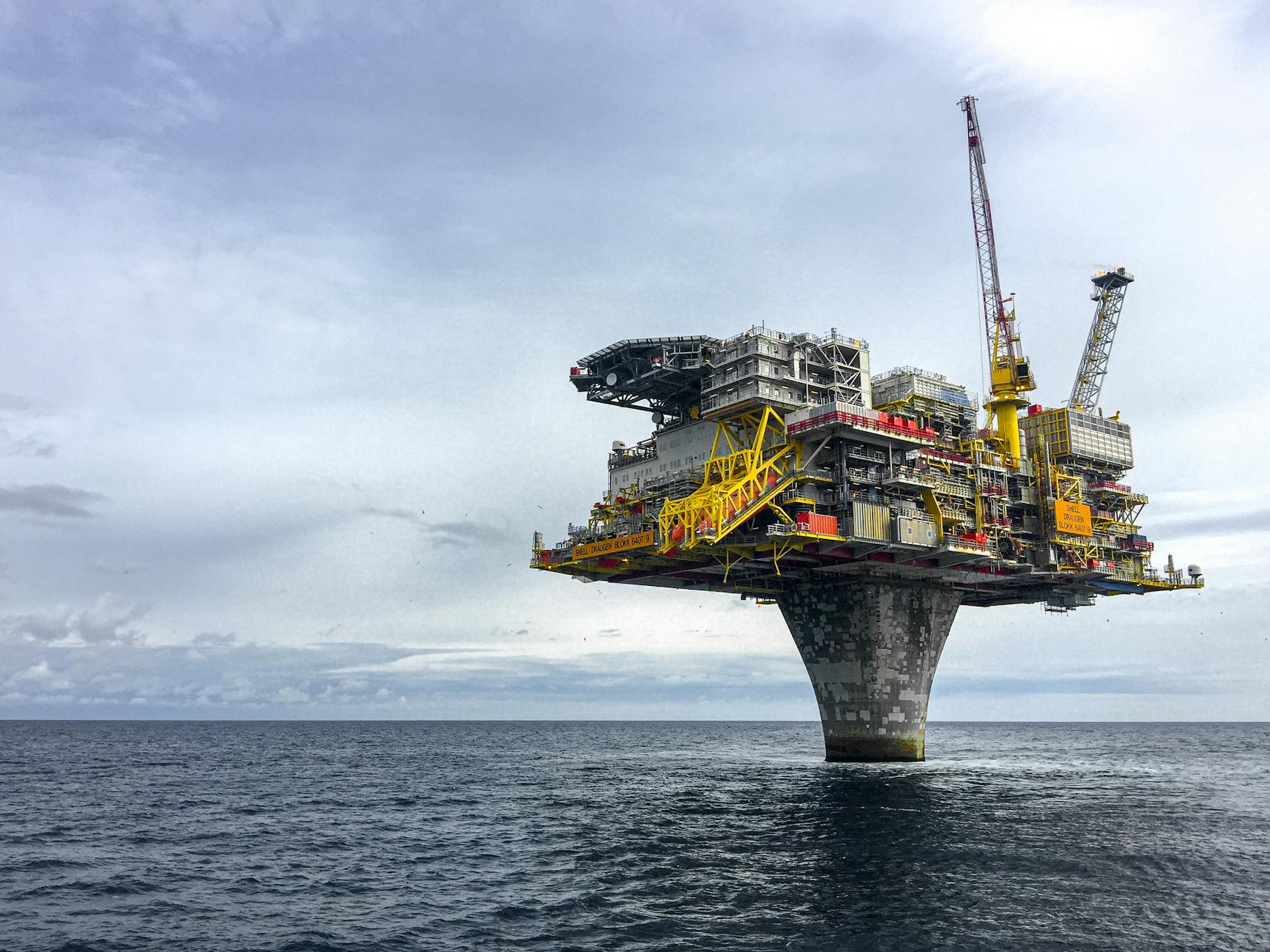
When Occidental Petroleum quietly filed results from its Bandit-1 exploration well in Green Canyon Block 680 last Thursday, the upstream industry took notice — not because deepwater discoveries are rare, but because this one arrived pre-wrapped in a development pathway. Understanding what Bandit means requires unpacking both the geology and the infrastructure economics that make Green Canyon one of the Gulf of America's most strategically contested deepwater addresses.
The Discovery in Context
According to Occidental's April 10 announcement, the Bandit well encountered "high-quality, full-to-base oil-bearing Miocene sands" approximately 125 miles south of the Louisiana coast. The well was drilled in Green Canyon Block 680 with Oxy operating at a 45.375% working interest, Chevron holding 37.125%, and Woodside Energy contributing 17.5%.
"Full-to-base" is a critical phrase. It means the oil column extends from the top of the reservoir sands all the way to the bottom of the structure — there is no oil-water contact limiting the pay interval. In deepwater exploration, this phrase is as clean a confirmation as the industry produces without actual production data.
CIR Analysis: The Miocene play in the Gulf of America's Garden Banks and Green Canyon protraction areas has been among the most productive deepwater geology in the Western Hemisphere. These Upper Miocene sands — laterally continuous, high-porosity turbidite systems deposited by ancient submarine fans — have been the backbone of major fields including Chevron's Anchor and Shenandoah projects in the same Green Canyon area. Bandit's stratigraphic analog to those producing assets is significant.
The Infrastructure Angle — Why This Discovery is Different
Most deepwater discoveries die the slow death of development economics. To extract oil from 5,000+ feet of water requires a production facility — either a standalone floating production unit (FPSO or semi-submersible) costing $2–4 billion to build and install, or a subsea tie-back to existing infrastructure at a fraction of that cost.
Oxy's announcement explicitly flagged "the potential for subsea tie-backs to an adjacent Occidental-operated facility and others in the nearby area." This is not boilerplate — it is a development blueprint.
Oxy's existing Gulf of America operated facilities include its Lucius spar (Green Canyon Block 875, producing from the Lucius field) and its interest in the Perdido spar (operated by Shell). Lucius in particular sits within the broader Green Canyon area, and if Bandit's reservoir is commercial, a tie-back could process first oil within 3–4 years of a final investment decision — without the multi-billion-dollar platform construction cycle that has historically made deepwater economics brutal at sub-$70 oil.
CIR Analysis: At $94–96/bbl WTI — and with a tie-back development rather than a standalone facility — Bandit's breakeven economics likely land in the $45–55/bbl range. That is competitive with the best Permian inventory. The distinction is timing: Permian wells flow first oil in 30 days; Bandit tie-back would require 3–5 years of appraisal, front-end engineering, and subsea construction. But the NPV case, properly risk-adjusted, is compelling at current prices.
The Competitive Map: Green Canyon's Crowded Miocene Play
Chevron's Anchor field — Green Canyon Block 807, approximately 140 miles south of Louisiana — began first oil production in late 2024 as the industry's first high-pressure (20,000 psi) deepwater development. Anchor's completion represented a technology milestone; its proximity to Bandit represents potential infrastructure leverage.
According to Chevron's co-announcement on the Bandit discovery, "Discoveries like Bandit build on Chevron's deepwater expertise." The language is carefully measured, but the 37.125% non-operating stake in Bandit reflects Chevron's deliberate approach to high-grading its GoA deepwater portfolio around infrastructure hubs — a strategy that aligns directly with Oxy's tie-back narrative.
Woodside's 17.5% participation is equally notable. The Australian company is aggressively expanding in U.S. deepwater, having acquired BHP's petroleum business (including substantial GoA assets) in 2022. Woodside EVP Mark Abbotsford's reference to "clear pathways to commercialization" echoes exactly the kind of infrastructure-led framing that differentiates this discovery from a pure exploration result.
What to Watch in Q1 Earnings
Oxy's Q1 2026 earnings call — expected in early May — will be the next major catalyst for Bandit clarity. Questions will center on resource size estimates (Oxy has not yet disclosed well-specific volumes), appraisal well timing, and whether Bandit will be categorized as a potential proved undeveloped reserve in future reserve reporting.
CIR Analysis: Oxy management has incentive to be carefully optimistic. Warren Buffett's Berkshire Hathaway is the company's largest shareholder, with a stake that has grown to roughly 29% of shares outstanding through 2025. Berkshire's continued accumulation signals conviction in Oxy's long-term asset quality — and a commercial deepwater discovery in an infrastructure-favorable setting reinforces that thesis. Watch Oxy SVP Jeff Simmons on the Q1 call for language around appraisal commitment.
The Broader Signal: Deepwater is Back
Bandit arrives amid a quiet resurgence in Gulf of America deepwater activity. The "Big Beautiful Gulf" lease sales held in late 2025 and March 2026 drew competitive bidding, with Woodside among the winning participants. Rystad Energy has estimated that GoA deepwater break-even costs have fallen 35–40% since 2014 through drilling efficiency gains, standardized subsea equipment, and tie-back project designs — making the basin viable at oil prices that would have killed projects a decade ago.
The basin's Miocene and Jurassic carbonate plays continue to surprise to the upside. For domestic energy security purposes — a theme Oxy's Simmons explicitly invoked — a Gulf of America operating at full technical capacity represents optionality that U.S. energy policy increasingly values. Bandit is one data point. But in the context of a Chevron Anchor already producing, Woodside expanding its lease position, and Oxy signaling tie-back proximity, it fits a pattern that the deepwater permabears have consistently underestimated.
Crude Intelligence Report is an independent upstream oil and gas intelligence publication. Content is for informational purposes only and does not constitute investment advice. The author and publisher hold no positions in any companies mentioned. © 2026 Crude Intelligence Report. All rights reserved.