
Midstream Constraints: Where Upstream Growth Gets Bottlenecked
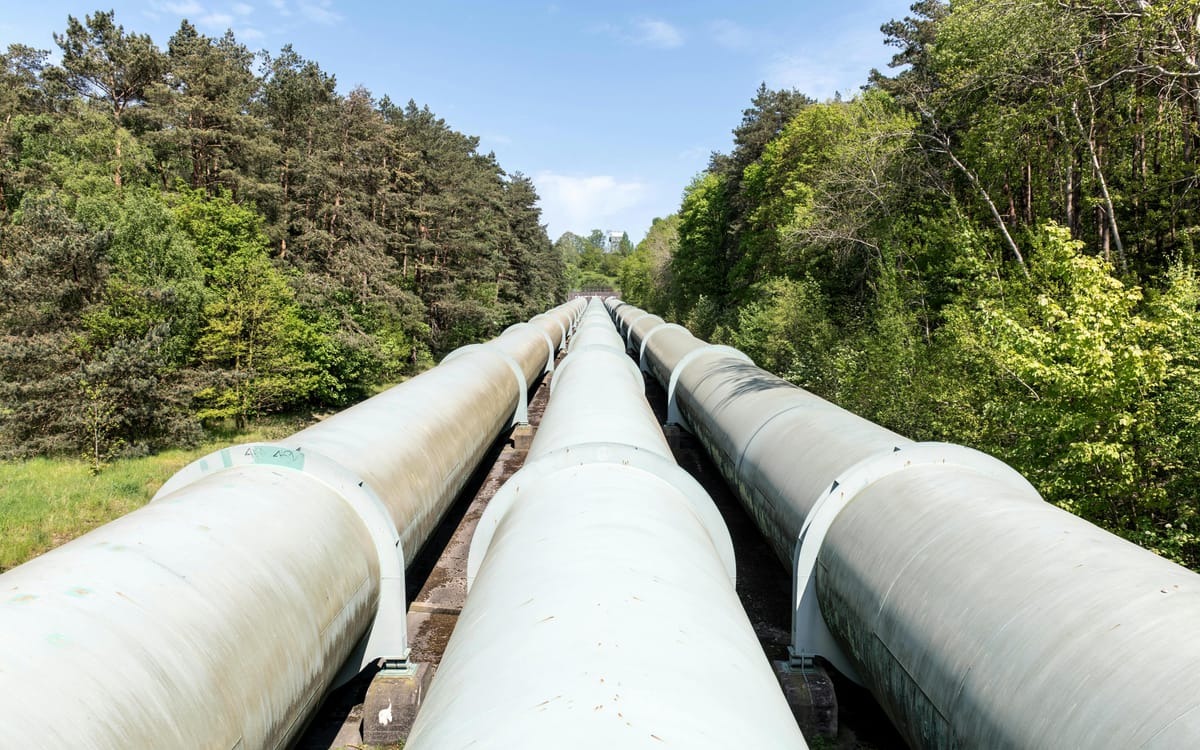
The U.S. upstream industry has demonstrated remarkable productivity gains over the past decade. Lateral lengths have doubled. Completion intensity has tripled. Well costs per foot of lateral have declined. And yet, periodically, the industry runs into a problem that no amount of drilling innovation can solve: infrastructure that can't keep up.
Midstream constraints — insufficient pipeline, processing, fractionation, and export capacity — are the invisible ceiling on upstream production growth. Understanding where those constraints exist, and how they shape operator behavior, is essential context for anyone tracking the E&P sector.
The Permian: The Most Studied Bottleneck
The Permian Basin's midstream history is a case study in capacity cycles. In 2018–2019, crude takeaway from the Delaware and Midland basins was so tight that WTI Midland traded at discounts exceeding $15/bbl to Cushing — a massive value leak for producers. The construction frenzy that followed — Epic Crude Oil Pipeline, Cactus II, Longhorn expansion, PGJV — brought 3+ MMbbl/d of new capacity online by 2020.
By 2021, the pendulum had swung: surplus capacity was significant, and differentials tightened to near-zero. Fast-forward to 2025: crude takeaway from the Permian is again adequate — for now. The basin produces approximately 6.2–6.4 MMbbl/d, and available egress to the Gulf Coast exceeds that. But operators are already gaming out what happens at 7 MMbbl/d, the threshold that multiple E&Ps are targeting by 2026–2027.
The more pressing Permian constraint in 2025 is natural gas. Associated gas growth has outpaced gathering and processing additions in parts of the Delaware Basin. The Waha Hub has seen repeated basis blowouts — prices going negative at times — because gas literally can't get out fast enough. Matterhorn Express added 2.5 Bcf/d of capacity in late 2024, providing meaningful relief. But Permian gas production is growing at 1–2 Bcf/d annually, which means the clock is ticking on the next constraint.
Appalachia: The Pipeline Graveyard
The Marcellus and Utica shales hold some of the cheapest gas molecules in North America. EQT, the dominant Appalachia operator, can drill wells in the core Marcellus at breakeven costs well below $2.00/MMBtu. The problem: getting those molecules to market.
Appalachia has become a regulatory graveyard for interstate pipeline projects. Mountain Valley Pipeline, which ran years over schedule and billions over budget, finally reached in-service status in 2024 — adding approximately 2 Bcf/d of new capacity from West Virginia to Virginia. But the projects that didn't make it — Atlantic Coast Pipeline (cancelled 2020), Constitution Pipeline (cancelled 2020) — represent capacity that will likely never be built.
The result: Appalachian gas is structurally discounted to Henry Hub. Dominion South Point basis has averaged ($0.40–$0.60)/MMBtu in recent years. Producers like EQT and Coterra work around this through firm transport contracts, but excess production beyond those contracts gets priced at local basis — a meaningful drag on realizations.
Processing and Fractionation: The Hidden Constraint
Natural gas liquids (NGLs) require processing plants to separate ethane, propane, butanes, and natural gasoline from the gas stream, and fractionation plants to separate the mixed NGL stream into purity products. In growth basins, processing and fractionation capacity additions lag production growth.
The Permian's gas processing capacity has been a recurring pinch point. When processors hit capacity, producers face "ethane rejection" — leaving ethane in the gas stream and selling it at gas prices rather than NGL prices. This reduces revenue per Mcf. Enterprise Products Partners, Targa Resources, and DCP Midstream (now Phillips 66 Partners) have all brought new processing capacity online in the Permian, but the buildout is perpetually catching up to production.
Mont Belvieu, Texas — the NGL hub — has seen fractionation tightness emerge as Permian volumes grow. New fractionation trains require 18–24 months from FID to commissioning, meaning today's capacity constraints reflect decisions made (or not made) in 2023–2024.
Export Infrastructure: The LNG Wild Card
U.S. LNG export capacity now exceeds 14 Bcf/d and is expanding. Golden Pass LNG, if completed, would add another 2.5 Bcf/d. Plaquemines LNG, developed by Venture Global, added capacity in 2024. Each new LNG train represents a demand increment for upstream gas — but also a pipeline infrastructure challenge, since getting Haynesville and Appalachian gas to Gulf Coast export terminals requires firm transport commitments and physical capacity.
The Haynesville Shale is closest to Gulf Coast LNG terminals, which is why it has attracted the most investment from operators with LNG offtake contracts. Expand Energy's Haynesville position and Comstock Resources' similar acreage are effectively feeders for Sabine Pass, Cameron, and other terminals.
Investment Implications
Midstream constraints create predictable value dislocations. When producers can't move their production, realized prices fall and returns compress — regardless of wellhead economics. Operators with long-term firm transport and processing agreements effectively insulate themselves from basis blow-outs. Those without pay the spot market price.
For investors, midstream constraints argue for: (1) preferring operators with strong infrastructure agreements in constrained basins; (2) watching midstream company earnings for capacity utilization signals; (3) monitoring pipeline regulatory processes as leading indicators of future constraint relief or intensification.
The bottom line: the upstream industry's ability to grow production is always filtered through the infrastructure it has. Where those filters narrow, value destruction follows. Where they expand, upstream operators and midstream providers both win.