Hormuz Blockade Week Five: How U.S. Upstream Operators Are Positioned to Capture the Windfall
The Strait of Hormuz has been effectively closed to normal commercial traffic for over five weeks, and the upstream math for U.S. producers has never looked better on paper — even as the geopolitical clock ticks toward a critical April 6 deadline.
According to OilPrice.com, Brent crude surged back above $110 per barrel on March 27 after Iran formally rejected a 15-point U.S. peace framework and submitted its own counter-demands. President Trump extended his military deadline by 10 days, pushing the next inflection point to this Sunday. West Texas Intermediate has tracked within $4–6 of Brent, keeping the U.S. benchmark firmly above the $100 threshold that most Permian and Eagle Ford operators have modeled as a high-case planning scenario.
The scale of the disruption is difficult to overstate. According to Reuters, Iraqi oil production has plunged nearly 80% since the conflict began, with southern field output collapsing to approximately 800,000 barrels per day — a loss of roughly 3.5 million b/d from a single OPEC member. Combined with Hormuz handling an estimated 20% of global oil and LNG flows, according to reporting by OilPrice.com, the market is confronting a simultaneous crude and gas supply shock unlike anything since the 1973 embargo.
ADNOC Group CEO Dr. Sultan Al Jaber, speaking at CERAWeek in Houston and in subsequent LinkedIn commentary, characterized Iran's actions as "economic terrorism against every nation," calling on the international community to enforce UN Security Council Resolution 2817. "Disrupting Hormuz hits food prices, air fares, energy bills, medicine costs, and much more," according to Dr. Al Jaber. "This is not about oil supply; it's about everyday affordability for billions of people." Gulf producers including Abu Dhabi have been forced to slash upstream production as storage approaches tank-top capacity with no viable export route through the strait.
Adding to the supply picture, Reuters reported that Ukrainian drone strikes on Russia's Ust-Luga and Primorsk Baltic Sea export terminals temporarily halted approximately 40% of Russia's seaborne crude outflows, forcing some producers to consider force majeure declarations.
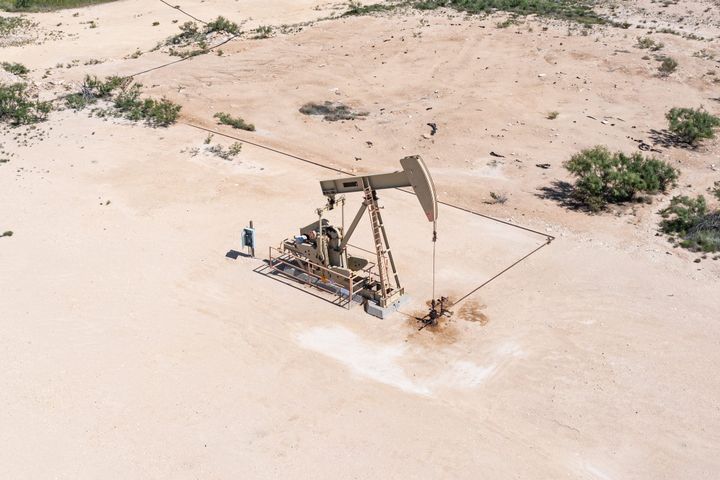
For U.S. operators, the arithmetic is straightforward. Every $10/bbl above $80 WTI adds meaningful free cash flow at current well costs. Permian Basin breakevens for Tier-1 acreage in the Delaware and Midland basins are widely estimated in the $45–55/bbl range, meaning operators are generating margins not seen since the post-COVID recovery. The question now is how long operators will stay within capital discipline frameworks versus accelerating activity.
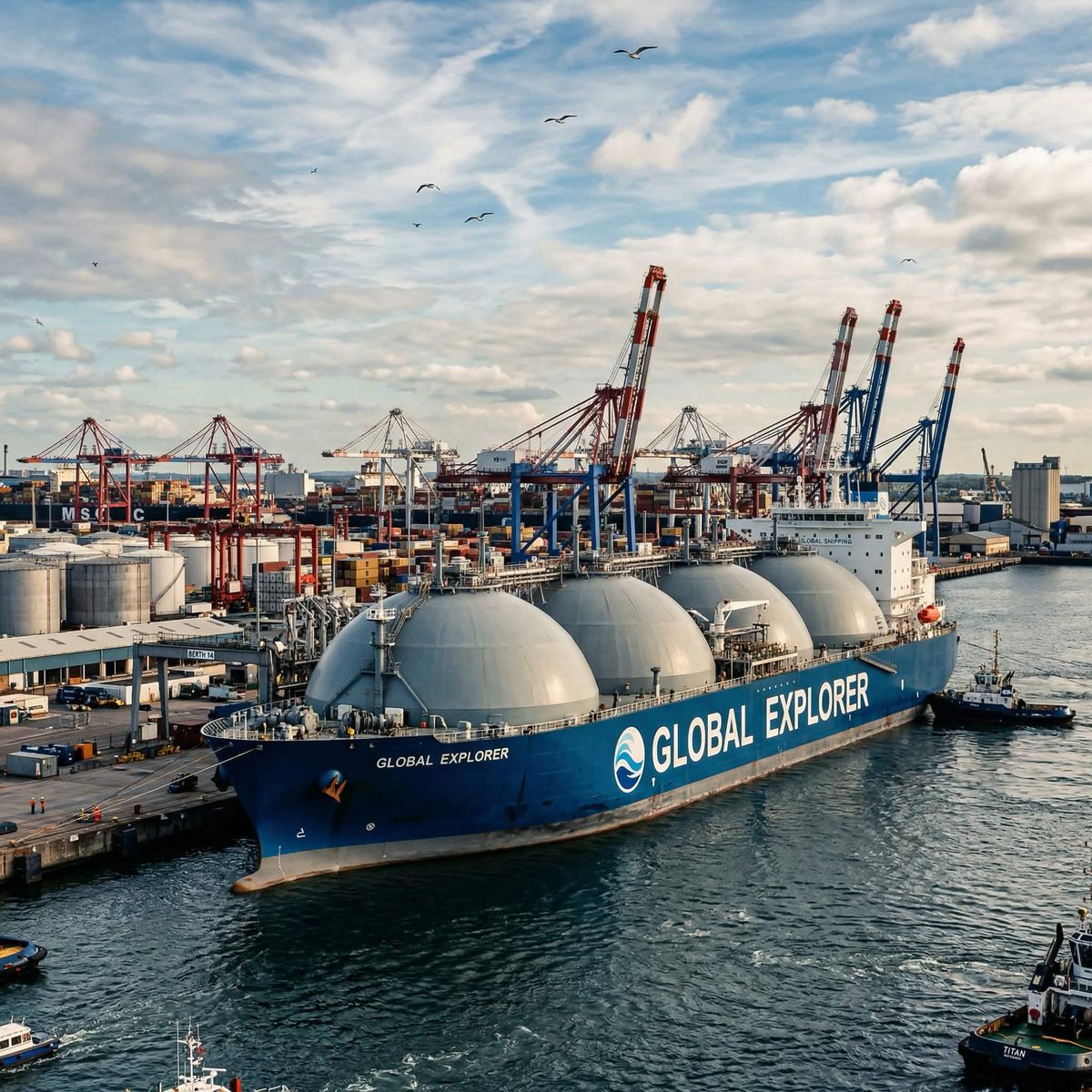
CIR Analysis: The Hormuz crisis has created a structural bifurcation in global supply that favors U.S. LNG exporters and domestic crude producers in ways that will outlast any near-term diplomatic resolution. Even if the Strait reopens on or after April 6, the episode will accelerate LNG contract diversification away from spot Middle Eastern cargoes — a tailwind for Sabine Pass, Freeport, and Corpus Christi export terminals for years. On the crude side, while $110 Brent is not a sustainable planning assumption, the crisis has crystallized a key reality: the Permian Basin's combination of scale, cost structure, and pipeline access to Gulf Coast export infrastructure makes it the world's most credible swing supplier when Middle Eastern barrels go offline. Q1 2026 earnings — beginning with Baker Hughes on April 23 and SLB on April 24 — will be the first read on how efficiently operators are capturing this environment. Expect OFS companies to report robust international demand for drilling and completion services as non-OPEC producers scramble to fill the Middle East void. Watch for guidance language around rig deployment and completion crew availability as the leading indicator of whether U.S. supply can meaningfully respond before the next demand inflection.
Crude Intelligence Report is an independent upstream oil and gas intelligence publication. The content in this article is for informational purposes only and does not constitute investment advice, financial advice, or a recommendation to buy or sell any security. Always conduct your own due diligence before making investment decisions. CIR and its contributors may hold positions in companies mentioned; any such positions will be disclosed when known. © 2026 Crude Intelligence Report. All rights reserved.
This article contains forward-looking statements and analytical opinions. Actual results may differ materially.