CIR Morning Brief — Friday, April 3, 2026
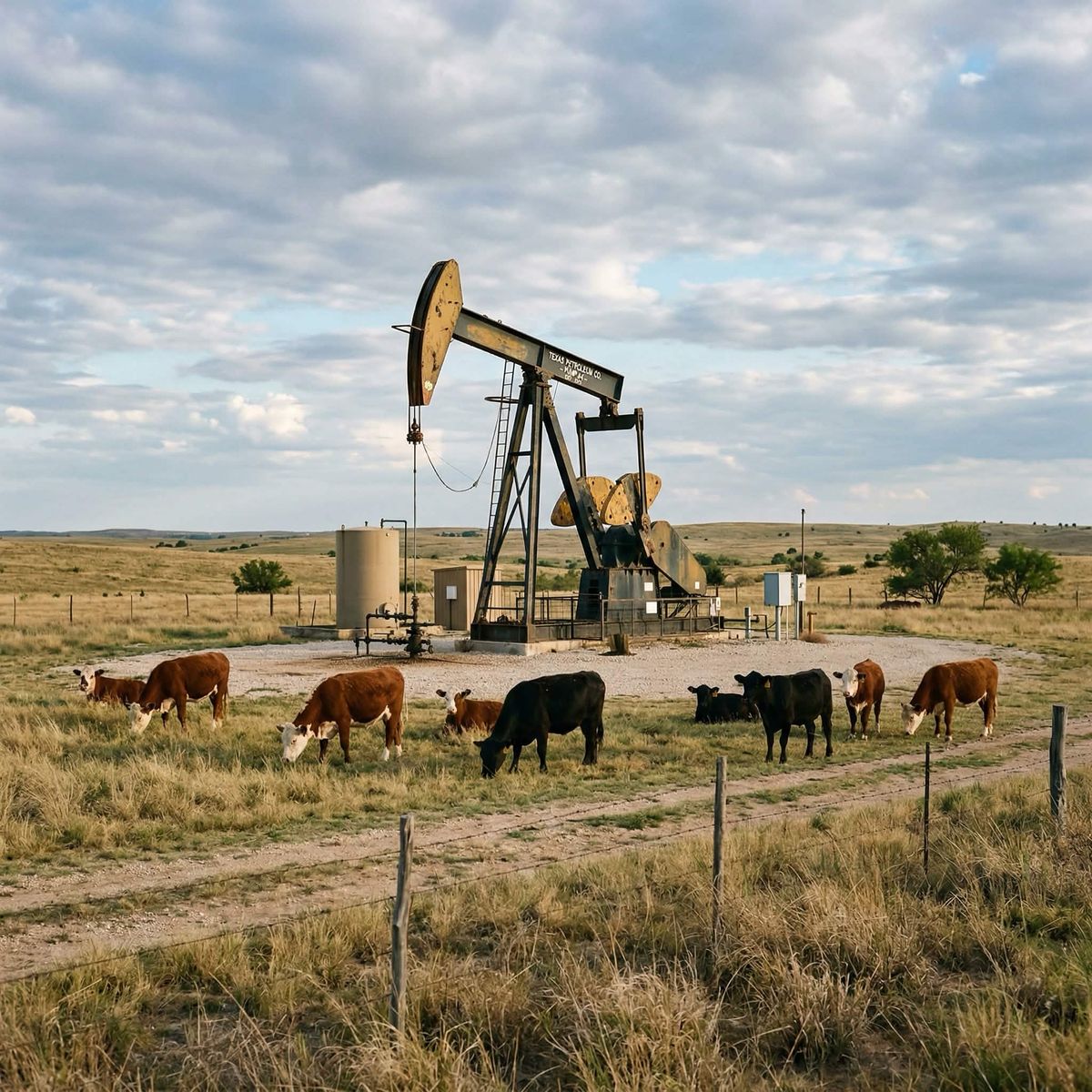
WTI crude oil roared past the $104 mark this week, closing Thursday's spot session at $104.69 per barrel according to the U.S. Energy Information Administration — a sharp $3.43 gain from Monday's $101.26 close, and a cumulative rally of more than $8 per barrel over just four trading sessions. The move was almost entirely geopolitical in nature, as energy markets whipsawed on conflicting signals out of Washington regarding the ongoing U.S.–Iran conflict.
Iran War Risk Keeps Crude Bid
The dominant driver overnight was President Trump's nationally televised address in which he signaled the U.S. would continue striking Iranian targets and offered no clear timeline for de-escalation. According to OilPrice.com, Brent crude jumped roughly 5% on the remarks, briefly touching $107.49 per barrel, while WTI futures climbed to $104.23 — erasing a brief mid-week softening that had followed preliminary diplomatic contacts. Business Insider noted markets were "left unsettled" by the speech's lack of any off-ramp, keeping the geopolitical risk premium firmly embedded in the forward curve. For U.S. operators, the price level is well above the break-even threshold: the Dallas Fed Q1 2026 Energy Survey pegged the average WTI price needed to profitably drill a new well at just $66 per barrel industry-wide — $67 in the Permian Basin specifically.
EIA: 10-Million-Barrel Inventory Surge Complicates the Narrative
Offsetting some of the bullish geopolitical sentiment is a bearish demand signal from the EIA's latest weekly inventory report. According to reporting aggregated by Natural News citing EIA data, U.S. commercial crude stockpiles surged by an unexpected 10.2 million barrels for the week ending March 27 — far exceeding analyst expectations and the largest single-week build in recent memory. That build, disclosed March 30, suggests domestic consumption may be softening even as prices hold elevated. Operators watching inventory trends will note this as a potential leading indicator for price pressure if the geopolitical premium fades.
Dallas Fed Survey: Activity Expanding, Uncertainty Elevated
The Federal Reserve Bank of Dallas released its Q1 2026 Energy Survey on March 25, showing a significant swing in industry sentiment. According to the Dallas Fed, the business activity index jumped from -6.2 in Q4 2025 to 21.0 in Q1 2026 — signaling outright expansion for the first time in several quarters. Company outlook turned sharply positive (from -15.2 to 32.2), and capital expenditure expectations for the following year hit +31.5. However, the outlook uncertainty index climbed further to 53.7, the highest reading in the survey cycle, reflecting executive anxiety over whether the Iran-driven price spike is durable. The survey's year-end WTI consensus sits at $74/bbl — roughly $30 below current spot — underscoring widespread skepticism that current prices reflect fundamentals.
Forward Watch: Price Durability and the Iran Endgame
The key question for operators and investors heading into the weekend: does the Iran conflict produce a sustained structural supply disruption — particularly around Strait of Hormuz flows — or does the current price level prove ephemeral once diplomatic channels reopen? Dallas Fed respondents were split, with several noting "the price spike is driven by geopolitical factors" and cautioning that oil "will fall dramatically as soon as the new government in Iran is announced." With 47% of surveyed E&P firms expecting the number of large independents to shrink to 19–24 by decade's end, consolidation dynamics will also be worth tracking as high prices generate cash windfalls that could accelerate M&A timelines.
Crude Intelligence Report is independent O&G intelligence for informational purposes only. Not investment advice. No positions held. © 2026 CIR.