
Chord Energy: Running the Bakken
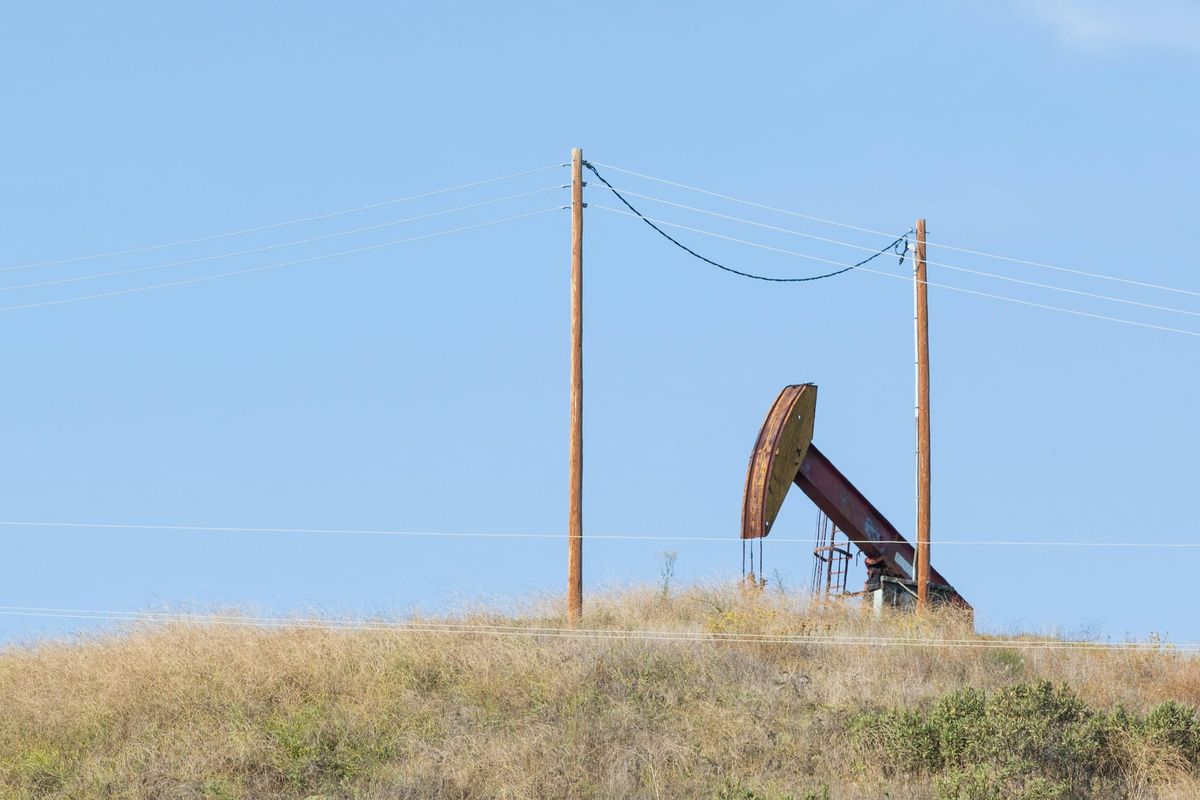
Chord Energy was born from necessity. When Oasis Petroleum and Whiting Petroleum — two Bakken stalwarts that had each filed for bankruptcy during the COVID crash — merged in 2022, the combination created a company with scale, a cleaned-up balance sheet, and an unenviable challenge: making the mature Williston Basin work at competitive returns.
Three years in, the evidence is mixed but more positive than critics expected. Chord has become one of the cleaner operators in U.S. E&P — not the flashiest, but disciplined in a way that its predecessor companies never were.
The Bakken Reality
The Williston Basin peaked at roughly 1.5 MMbbl/d in late 2019. In 2025, it runs at approximately 1.2 MMbbl/d — a managed decline buffered by continuous but disciplined development drilling. The basin doesn't offer the same inventory depth or cost structure as the Permian, and everyone knows it. But it's not a stranded asset either.
Chord operates approximately 1.1–1.2 million net acres across North Dakota and Montana, with a core position in the Williston Basin's oiliest counties: McKenzie, Williams, Mountrail, and Dunn. The company drills primarily in the Middle Bakken and Three Forks formations, targeting wells with 30-day IPs in the 1,200–1,800 boe/d range and EURs of 800–1,200 Mboe depending on spacing and lateral length.
Well Economics
Chord's 2025 well costs have settled in the $8.5–$9.5 million range for a 10,000-foot lateral — competitive but not class-leading. At $70/bbl WTI and current natural gas pricing, the company targets breakeven economics on new wells in the low-to-mid $40s per barrel on a capital-recovery basis. That's a reasonable margin buffer, but it compresses quickly if oil slides toward $60.
The company has leaned into longer laterals — 15,000-foot and 20,000-foot extended-reach laterals are now a meaningful portion of the 2025 program. Extended laterals improve per-foot economics but require more upfront capital and operational precision. Chord has invested in its drilling program systematically, reducing average spud-to-TD time by roughly 15% over the past two years.
Capital Discipline and Returns
The post-merger Chord inherited relatively low net debt (approximately $700 million as of mid-2025) and has prioritized shareholder returns over growth. The company targets a base dividend plus variable dividend structure, with excess cash flow returned after covering maintenance capital and a modest growth wedge.
At $75/bbl WTI, Chord generates roughly $1.5 billion in annual free cash flow — a yield of approximately 12–14% on current market cap. The variable dividend has been meaningful: total 2024 return to shareholders (base + variable + buybacks) exceeded $700 million, or roughly 8% of year-start market cap.
The Inventory Question
Bakken critics focus on inventory depth. Unlike the Permian, where Midland Basin operators can credibly claim 10–15+ years of high-return locations, Bakken operators are measured in years, not decades. Chord's investor presentations show approximately 1,500–1,800 gross locations in their high-confidence inventory — enough for 8–10 years at current pace.
That's not a crisis, but it does create optionality pressure. Either Chord finds ways to extend economic inventory (through downspacing tests, new formation development in the Lodgepole or deeper zones, or bolt-on acquisitions), or it becomes a long-duration cash return vehicle — generating free cash flow and shrinking through buybacks as the basin matures.
The company completed a bolt-on acquisition in 2024, adding approximately 80,000 net acres from a private operator. Similar deals may follow — the Bakken's private operator landscape is thinning, but a few consolidation targets remain.
Relative Positioning
Chord is the dominant public operator in the Williston Basin. Continental Resources, taken private by Harold Hamm in 2022, remains a large presence but is no longer publicly comparable. Hess Corporation's Bakken position was acquired by Chevron as part of the $53 billion deal — that transaction closed in 2024, making Chevron a meaningful Bakken participant with different return thresholds.
The Hess/Chevron dynamic matters. Chevron has signaled it will run the Bakken position at a maintenance-to-modest-growth pace, which keeps Williston production stable but not explosive. That's fine for Chord — a relatively stable production backdrop and a rational competitive environment.
Bottom Line
Chord Energy is a well-run company in a mature basin. The investment case is about cash flow yield, not growth. For investors who want Bakken exposure with balance sheet discipline and consistent shareholder returns, Chord delivers. For investors who want production growth and deep inventory upside, the Permian remains the address.
Watch Q3 2025 earnings for updated well cost guidance and any commentary on 2026 capital plans. If oil holds $70+, Chord's variable dividend should remain robust. If it slides toward $60, the growth component gets curtailed first — by design.
Crude Intelligence Report is an independent upstream oil and gas intelligence publication. Content is for informational purposes only and does not constitute investment advice, financial advice, or a recommendation to buy or sell any security. Always conduct your own due diligence before making investment decisions. The author and publisher hold no positions in any companies mentioned in this article. © 2026 Crude Intelligence Report. All rights reserved.